PhilosophyPolitical Philosophy
The Prince's Virtue, East and West
Machiavelli’s princes, the tyrants of Plato’s dialogues and the emperors of China feign, sacrifice their ministers, destroy their captains and kill their kin with the same small repertoire, and they weep afterwards. What divides the three traditions is who may forgive the prince, and their words for his excellence, aretē, 德 (dé) and virtù, record the same choice.
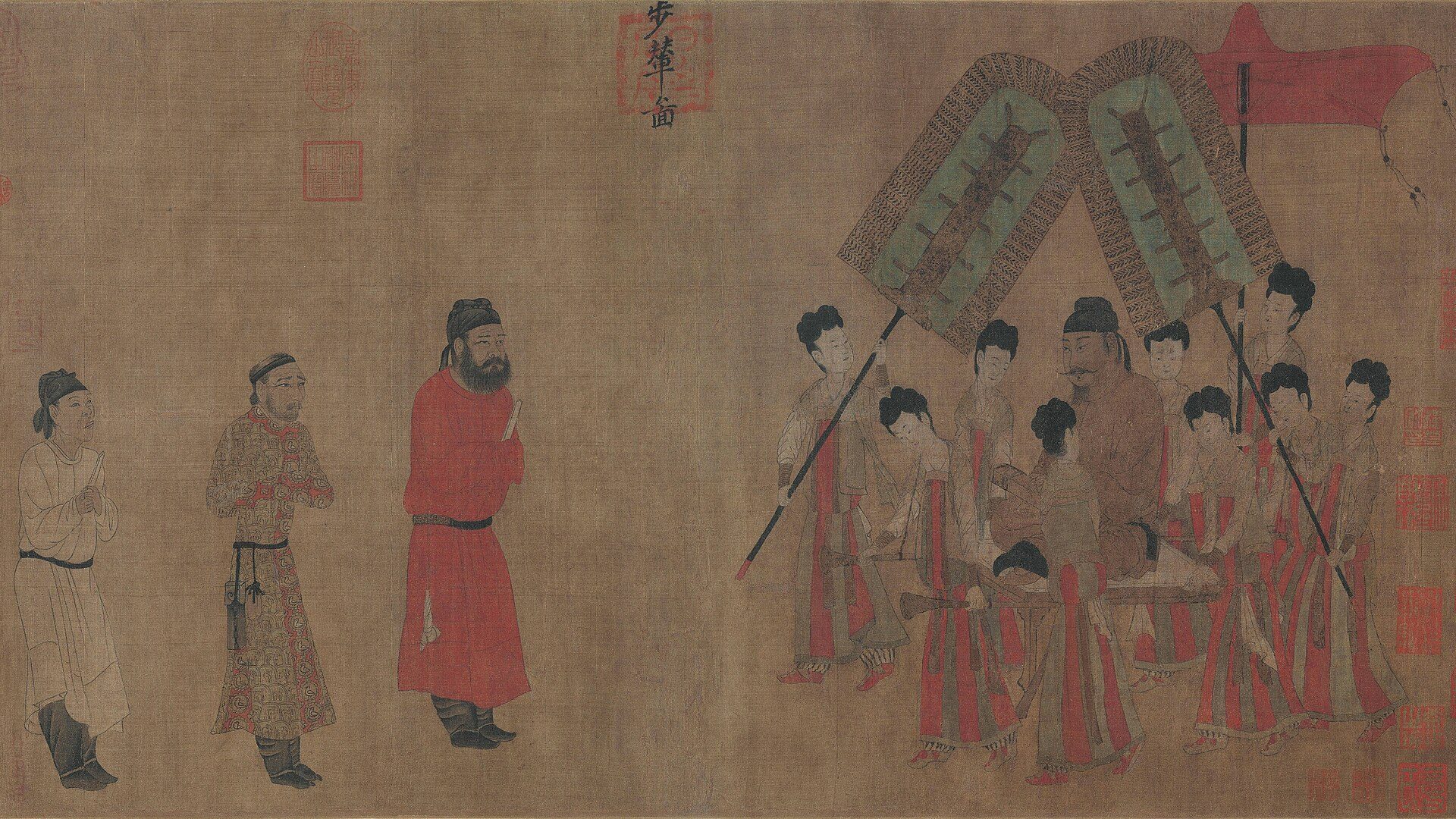
When the deed accuses him, the effect excuses him.
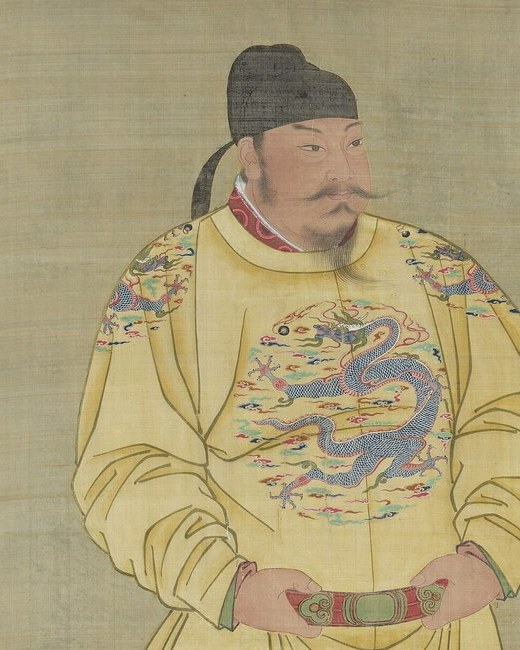
In 648, a year before his death, the emperor Taizong of Tang 唐太宗 finished a short book of counsel for his heir, the 《帝範》 (Dìfàn), or Model for an Emperor, and closed it with an account of himself that reads like the last page of a merchant’s ledger. He had built carved halls and high terraces, he admitted, gathered rare clothes and jewels, sent to the ends of the earth for dogs, horses and hawks, and worn out his people with his journeys, and these were his grave faults, which his son must not take for right or imitate; and then he added up the columns: 「但我濟育蒼生其益多,平定寰宇其功大,益多損少,人不怨;功大過微,德未虧。」 “But my benefit in nurturing the people is much, and my merit in pacifying the world is great; the gain is much and the loss little, so the people do not resent me; the merit is great and the faults are small, so my virtue is not diminished.” Even so, he went on, measured against perfect beauty he had much to be ashamed of, and his heir, who had “not a hair’s worth of merit” and would simply inherit the foundation, was not to take his father as a model at all: 「毋以吾為前鑒」.
The faults the emperor lists are his extravagances, and the morning on which his reign began is not among them, although no reader of the book in his own century could have forgotten it. Twenty-two years earlier, on 2 July 626, at the Xuanwu Gate 玄武門 of the palace in Chang’an, the prince who would become Taizong had shot his elder brother, the crown prince, with his own bow, while one of his officers killed their younger brother, and within two months their father had given up the throne to him. To read the ledger of the 《帝範》 as covering that morning is my own step and not the emperor’s, but it is a step the ledger invites, for a ruler who weighs his merits against his faults and declares his virtue intact is asking to be judged by the sum, and the largest debit in his account is the one he left unwritten.
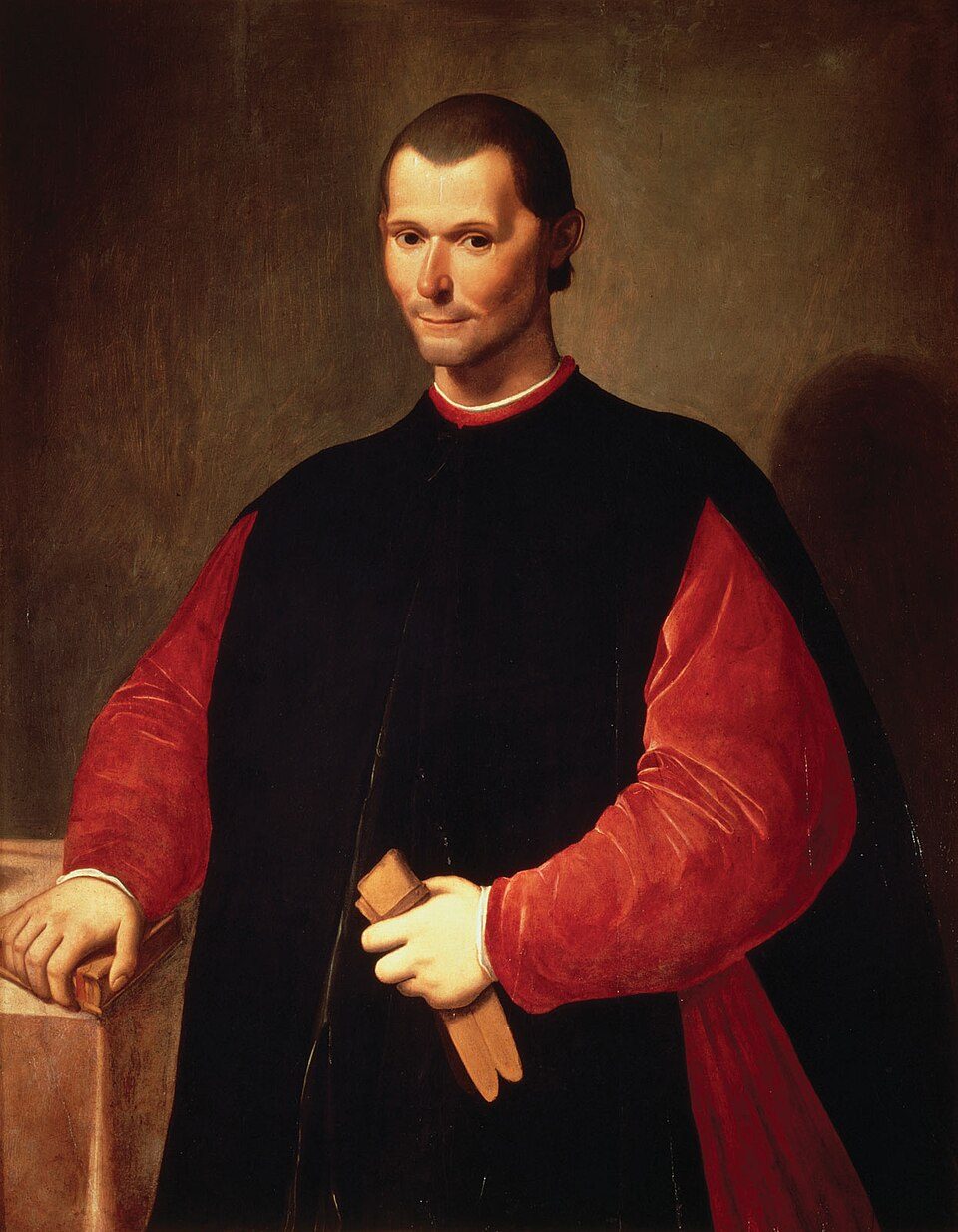
Nearly nine centuries later, and with no knowledge of Chang’an, Niccolò Machiavelli wrote out the same kind of sum in his Discourses on the first books of Livy. He granted that “many will perhaps judge it a bad example that a founder of a civil way of life, as was Romulus, should first have killed his brother,” and answered that “it is necessary that one alone give the mode,” and that “when the deed accuses him, the effect excuses him; and when the effect is good, as was that of Romulus, it will always excuse the deed; for he who is violent to spoil, not he who is violent to mend, should be reproved.” The excuse came with a condition, which is easy to miss and which will matter a great deal in what follows: the founder “should indeed be so prudent and virtuous that he does not leave the authority he took as an inheritance to another; for since men are more prone to evil than to good, his successor could use ambitiously that which had been used virtuously by him.” When Taizong told his son not to take him for a model, he was obeying, in words and long in advance, the condition Machiavelli would attach to the founder’s excuse.
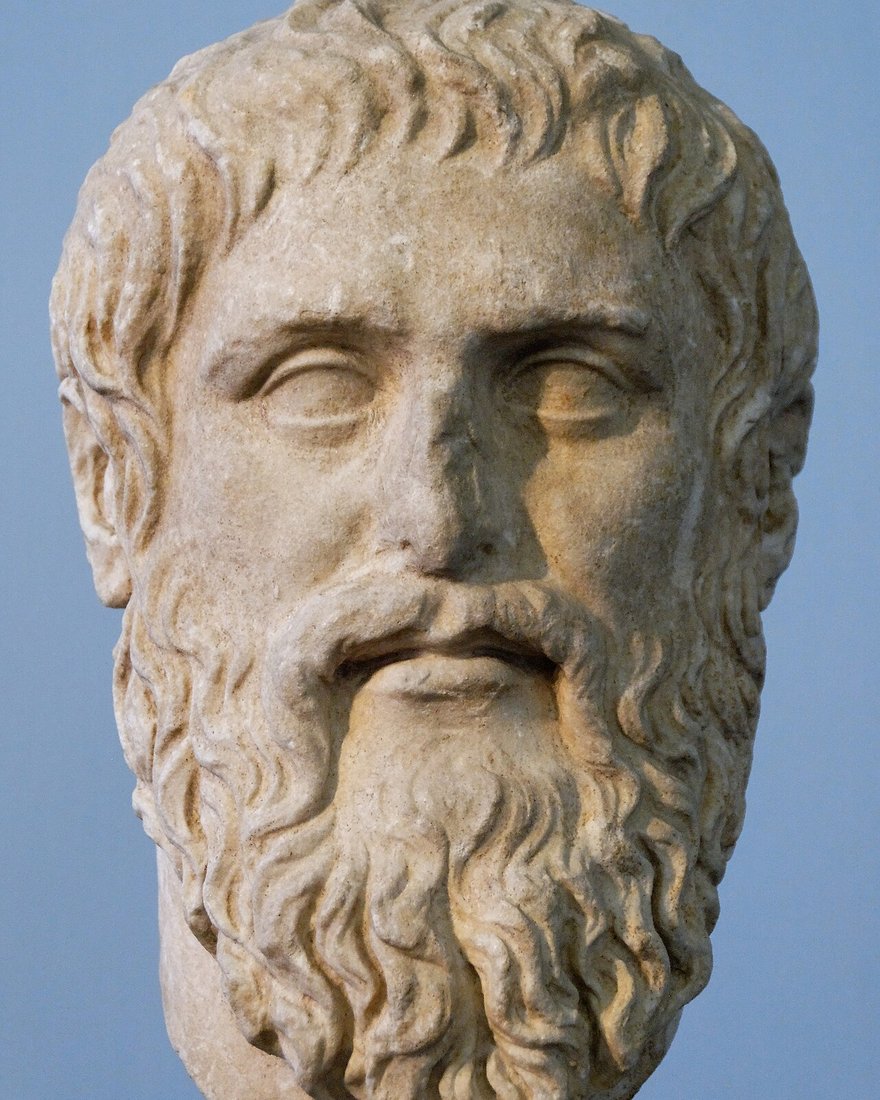
The oldest of the three verdicts, Plato’s, is neither an excuse nor a ledger but a judgment passed beneath the earth. At the end of the Republic, Socrates tells the story of Er, a soldier who came back from the dead to report how souls are judged, and among the souls Er heard of was Ardiaeus, who “had been the tyrant of some city of Pamphylia, and had murdered his aged father and his elder brother.” When Ardiaeus and others like him, “most of whom were tyrants,” tried to rise again from beneath the earth, the mouth of the passage gave a roar, and “wild men of fiery aspect” seized them, flayed them with scourges and dragged them away, “declaring to the passers-by what were their crimes.” Plato neither weighs the killing against its effect nor lets anyone forget it, but hands the killer over to judgment after death.
This essay sets three kinds of ruler side by side: the tyrants of Plato’s dialogues, the princes whom Machiavelli held up as models in The Prince and the Discourses, and the emperors and statesmen of China whose careers the Chinese historians recorded, from the founder of the Han to the Yongle emperor of the Ming. Its main character is not Machiavelli, who was a secretary and envoy of the Florentine republic, a man who served princes and wrote for them, but the prince-like figure himself, and Machiavelli’s two books serve as the lens through which I look at him, because no one has described the prince’s craft more exactly. The craft, I will argue, is shared, for the prince plays the fool until he can strike, sends the blame for his cruelty down to a minister, destroys the captains who won his wars and kills his own kin to found his order, and the same few moves recur in Plato’s portraits of tyranny, in the Romagna and in Chang’an; and although the craft is cold, the princes are not, since again and again the tears come after the deed. What divides the three traditions is who may forgive him. Plato sends the tyrant to judges beneath the earth who read his crimes on his soul; Machiavelli lets the effect excuse the deed, provided the founder can keep his crime from becoming an inheritance; and the Chinese historians refuse the excuse, because they hold that a founder’s crime always becomes an inheritance, and their brush will not forget. Machiavelli therefore stands alone, between a philosopher who judges the founder after death and historians who judge him in history. The words each tradition used for the prince’s excellence, aretē in Greek, 德 (dé) in Chinese and virtù in Italian, record the same choice, and Taizong’s 「德未虧」 sits exactly on the line between them.
Playing the Fool
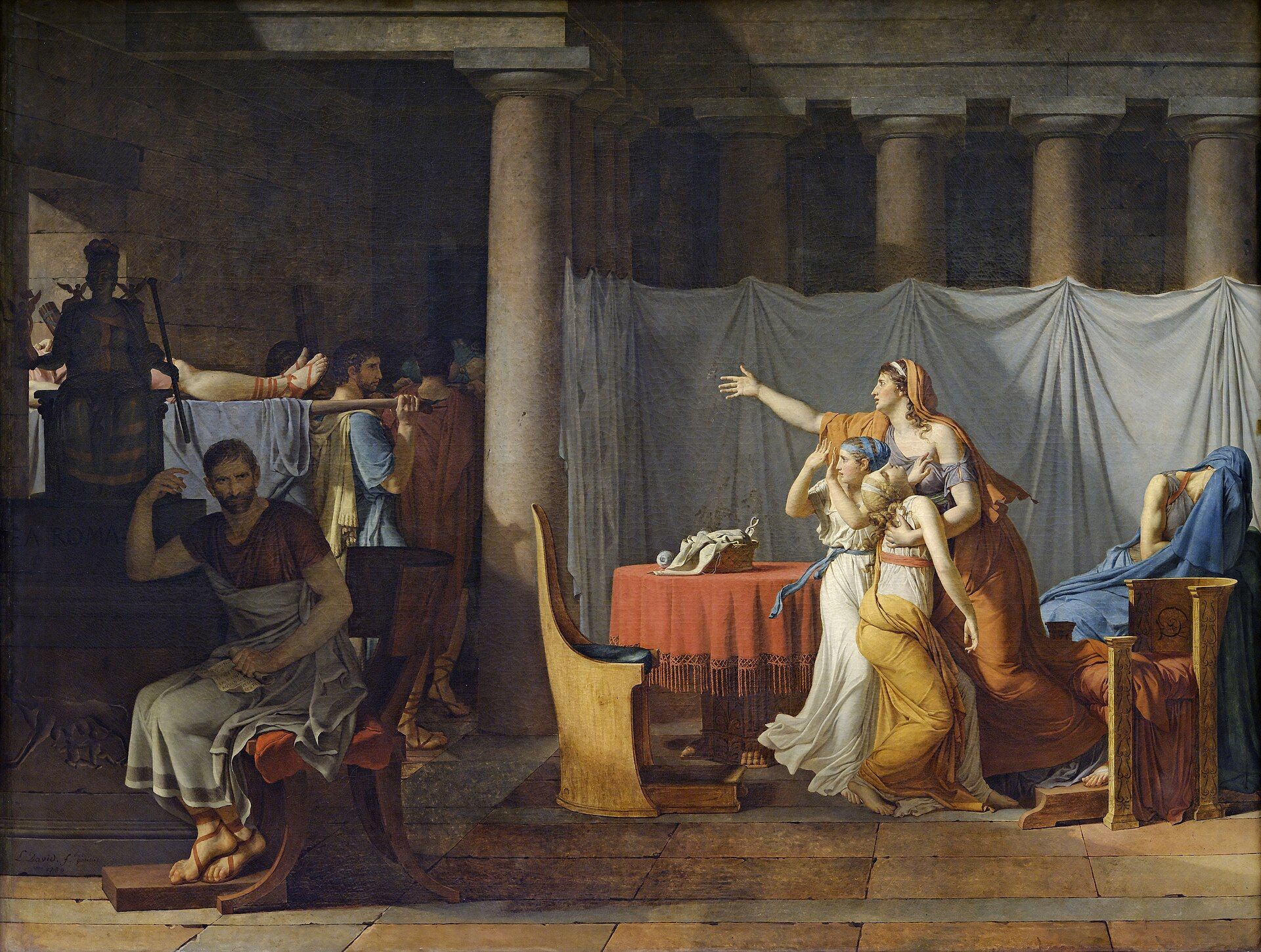
The oldest feint in this company is the one Machiavelli admired most, and a chapter of the Discourses is devoted to it under the title “That It Is a Very Wise Thing to Simulate Craziness at the Right Time.” His example is Lucius Junius Brutus, who, in the story Livy tells, played the dullard at the court of the Tarquin kings, even accepting the name Brutus, “the stupid,” until the rape of Lucretia gave him the occasion to drive the kings out and found the Roman republic. “There was never anyone so prudent nor esteemed so wise for any eminent work of his,” Machiavelli writes, “than Junius Brutus deserves to be held in his simulation of stupidity,” since Brutus, he thinks, played the fool “to be less observed and to have more occasion for crushing the kings and freeing his own fatherland,” and he draws from it a lesson for anyone who must live close to a prince he cannot trust, that no middle way is open to him, “so if they wish to abstain, they are not allowed by others to abstain. Thus one must play crazy, like Brutus, and make oneself very much mad, praising, speaking, seeing, doing things against your intent so as to please the prince.” The chapter that follows, on the necessity of killing the sons of Brutus, shows what the feint was for, since Brutus, as consul of the new republic, condemned his own sons for conspiring to bring the kings back and then watched them die, and Livy adds that throughout the execution a father’s feeling could be seen in his face.
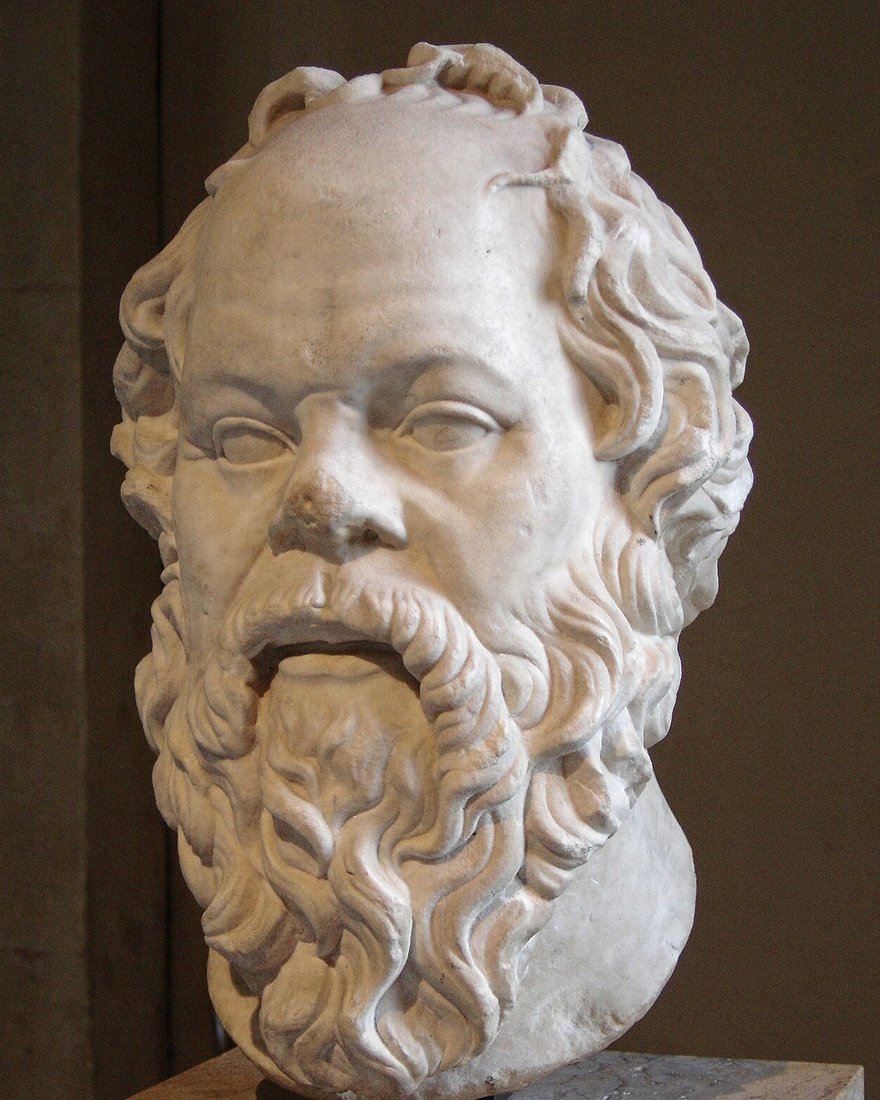
Plato’s dialogues know a feint of the same shape, though it belongs to a philosopher rather than a prince and serves the opposite end. Socrates professed to know nothing and let himself be instructed by the men he questioned, until their claims to knowledge fell apart, and in the first book of the Republic the sophist Thrasymachus, who holds that justice is nothing but the advantage of the stronger, loses patience with the pretence: “How characteristic of Socrates! he replied, with a bitter laugh;—that’s your ironical style! Did I not foresee—have I not already told you, that whatever he was asked he would refuse to answer, and try irony or any other shuffle, in order that he might avoid answering?” The irony of Socrates is simulated folly, like Brutus’s, but it was aimed at the truth rather than at a throne, and its effect was the reverse of Brutus’s, since it made him not less observed but more, and it ended not in a founding but in a sentence of death.
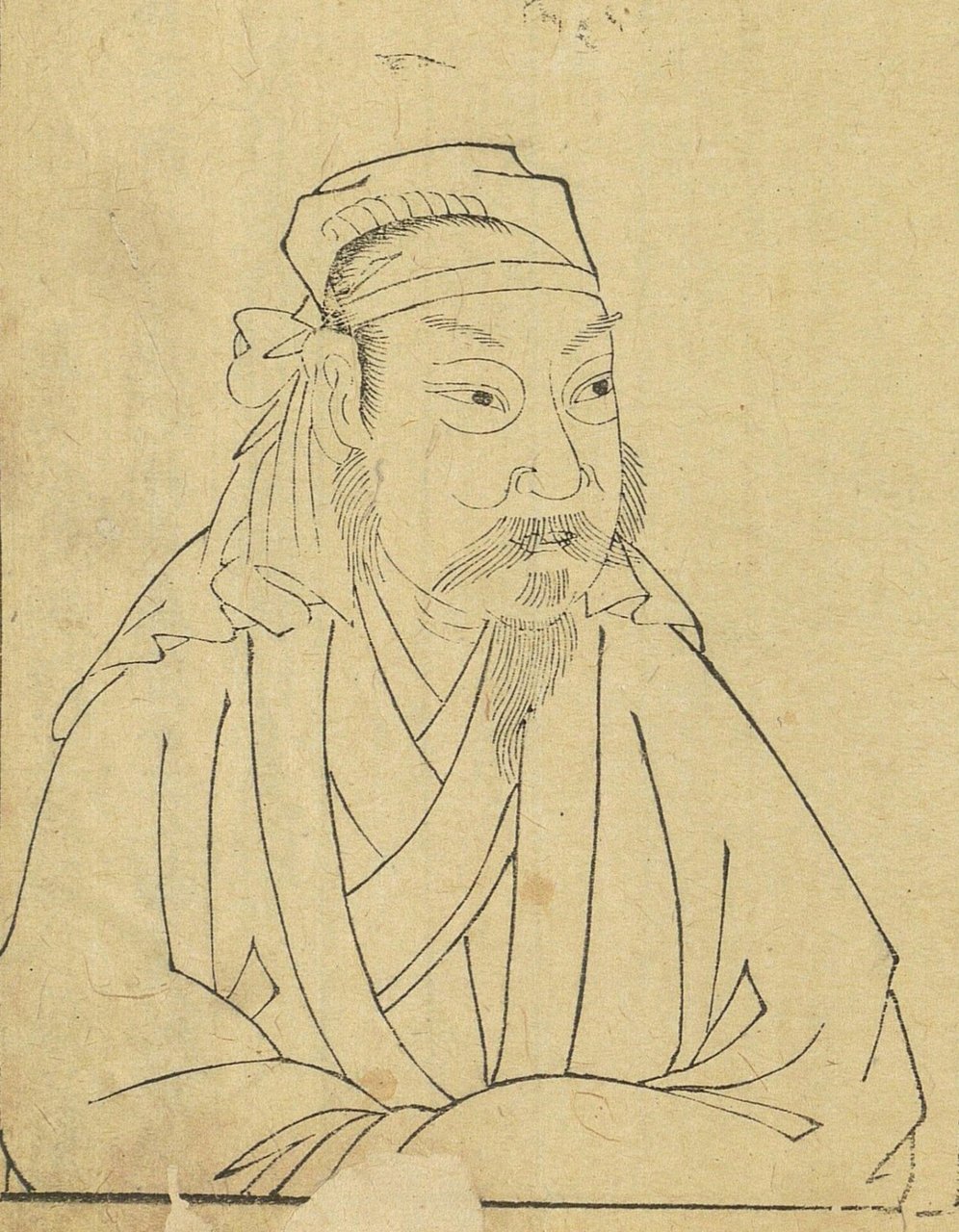
Sima Yi 司馬懿 used the feint twice, first to refuse a stronger lord and then to destroy a rival. When Cao Cao, then the strongman of the dying Han dynasty, summoned him to office, he 「辭以風痹,不能起居」, “excused himself with a palsy and could not rise from his bed,” and when Cao sent a man by night to stab him, 「帝堅臥不動」, he “lay rigid and did not move”; he took office only when Cao let him know that he would be arrested if he dawdled again. He passed that test because he could lie still under the knife, and nearly half a century later he used the same feint to attack, as Brutus had. In 249, when the regent who had pushed him aside sent an envoy to see how ill the old man really was, Sima Yi let the gruel he was drinking run down his chest, 「粥皆流出霑胸」, until the envoy went back to report that 「司馬公尸居餘氣,形神已離,不足慮矣」, “Lord Sima is a corpse with a little breath left; body and spirit have parted; he is not worth worrying about.” Soon afterwards, while the regent was away from the capital at the imperial tombs, Sima Yi seized the city, swore by the Luo River that his rival would lose nothing but his office, and then put him to death with his clan to the third degree, which is Machiavelli’s chapter on Brutus’s feint followed by his chapter on Brutus’s sons.
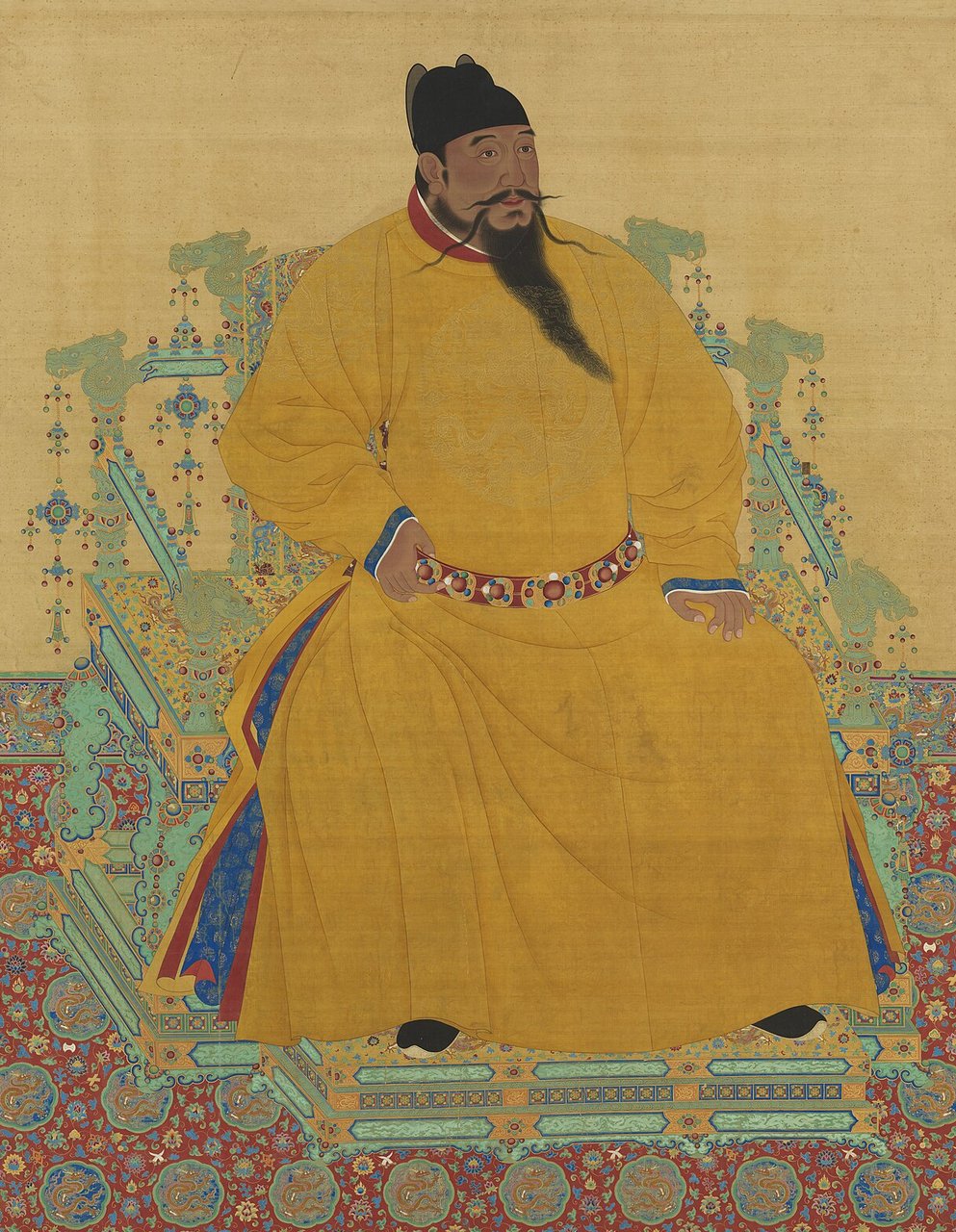
The Yongle emperor of the Ming followed Machiavelli’s chapter to the letter, though he feigned madness not to free a city but to take a throne. In 1399 his nephew, the young emperor, had already deposed four of the imperial uncles, and the prince of Yan, as Yongle then was, 「王內自危,佯狂稱疾」, “fearing for himself, feigned madness and claimed illness”; when he was ordered arrested he declared his illness grave, lured into his palace the officials sent to watch him and killed them, and rose in rebellion, justifying himself by his father’s ancestral instructions and calling the war 「靖難」, “pacifying the troubles.” Three years later he entered Nanjing as emperor.
The verdicts on these feints divide along a line that the feints themselves do not explain. Machiavelli calls Brutus the most prudent of men because his feint freed Rome, while Athens, where many had long taken Socrates’ irony for mockery, condemned him to death. The Chinese judges condemn Sima Yi not for the feint itself but for what it served, the betrayal of the house he had sworn to uphold, and the verdict appended to his annal in the Book of Jin 《晉書》 (Jìnshū) was written by an emperor. It was Taizong who wrote that Sima Yi 「飾忠于已詐之心」, “decked a heart already deceitful in the garb of loyalty,” and that 「雖自隱過當年,而終見嗤後代」, “though he hid his faults in his own day, in the end he is mocked by later ages.” The judge of Sima Yi’s deceit had killed his own brothers, and the same annal records a scene that Taizong’s verdict also recalls, in which a descendant of Sima Yi, Emperor Ming of Jin, asked his chief minister how his house had won the realm and, when he had heard the story, hid his face on his couch: 「若如公言,晉祚復安得長遠!」, “If it is as you say, how can the Jin endure for long?” Here, at the very beginning, is the feeling that runs under all of the prince’s craft, for the feint requires that a man show nothing he has not chosen to show, and the feeling comes out anyway, in Brutus’s face as his sons died and in the heir who could not bear to look at what his house had done.
The Minister on the Piazza
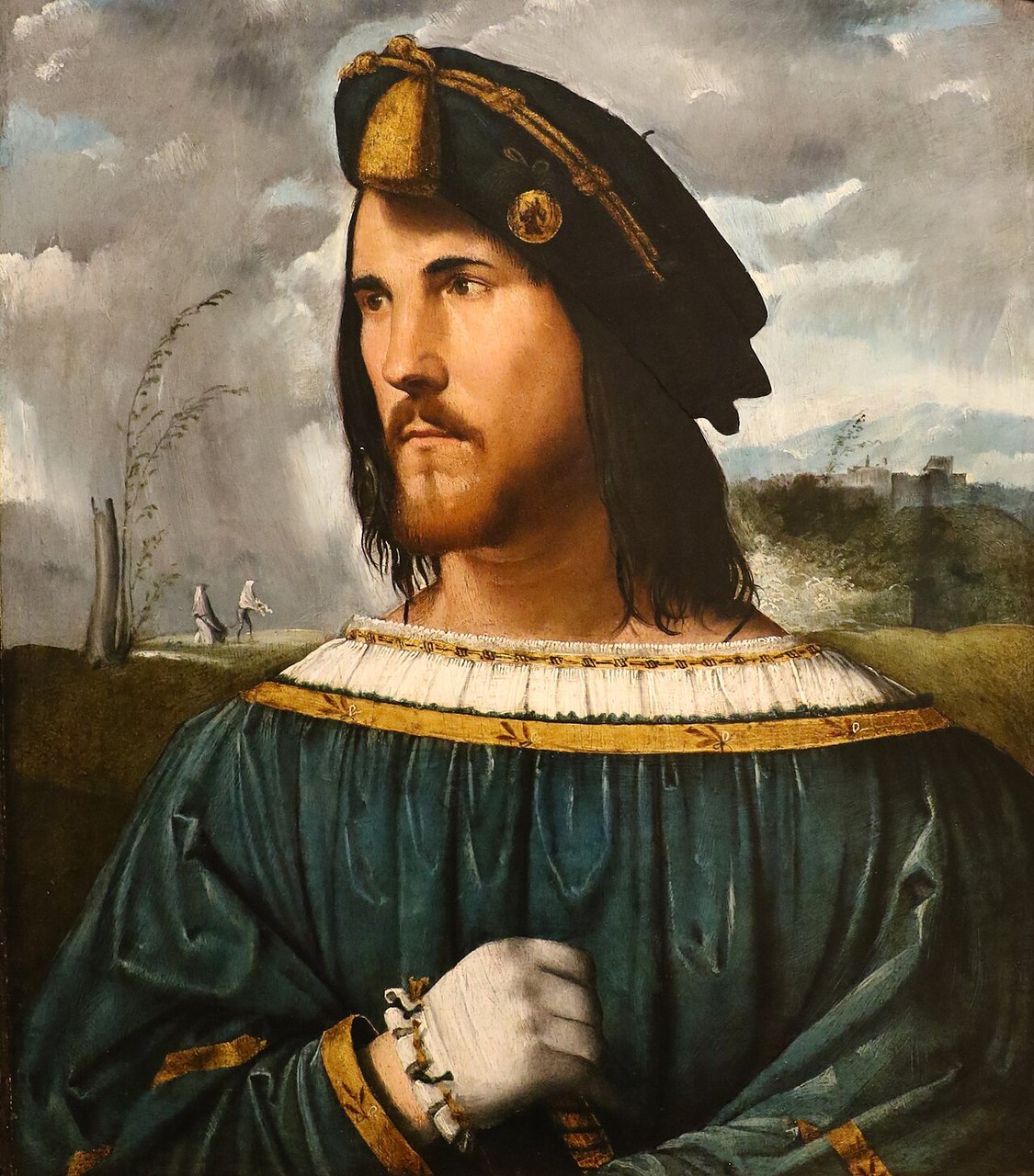
Machiavelli states the next rule in a single sentence of The Prince, that “princes should have anything blameable administered by others, favors by themselves,” and he had seen it applied. In 1502 he was in the Romagna as the Florentine republic’s envoy to Cesare Borgia, the pope’s son, who had conquered the province and put it, as Machiavelli later wrote, under “Messer Remirro de Orco, a cruel and ready man, to whom he gave the fullest power,” and Remirro had in a short time reduced it “to peace and unity.” What followed is the most famous paragraph in the book:
And because he knew that past rigors had generated some hatred for Remirro, to purge the spirits of that people and to gain them entirely to himself, he wished to show that if any cruelty had been committed, this had not come from him but from the harsh nature of his minister. And having seized this opportunity, he had him placed one morning in the piazza at Cesena in two pieces, with a piece of wood and a bloody knife beside him. The ferocity of this spectacle left the people at once satisfied and stupefied.
Machiavelli’s judgment of the duke is the warmest in the book, for “if I summed up all the actions of the duke, I would not know how to reproach him,” and what he admired at Cesena was a mastery not of force but of feeling. The minister’s cruelty had made the people hate, and the minister’s death purged the hatred, but the purge was itself a cruelty, which left the people “at once satisfied and stupefied,” so that the prince gave a whole province something like the release a tragedy gives its audience and took its gratitude for himself. Machiavelli’s chapter on whether it is better to be loved or feared treats the passions of subjects in the same spirit, as materials of different strengths, since “love is held by a chain of obligation, which, because men are wicked, is broken at every opportunity for their own utility, but fear is held by a dread of punishment that never forsakes you,” while hatred, the one passion that can undo a prince, must be avoided.
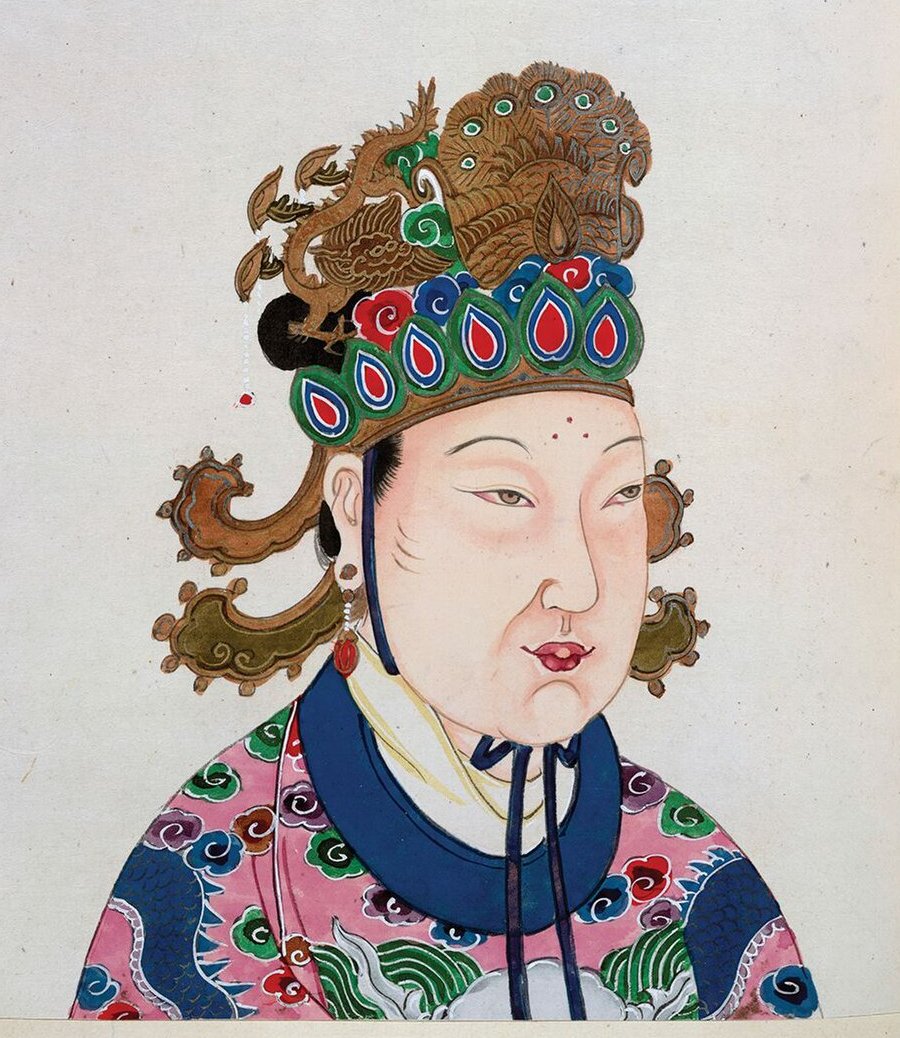
Eight centuries before Cesena, Wu Zetian 武則天, the only woman to rule China as emperor in her own name, performed the same move twice, and the historians state her purpose as plainly as Machiavelli states Borgia’s. In 686, suspecting plots against her, she 「欲大誅殺以威之。乃盛開告密之門」, “wished to kill on a great scale to overawe them, and opened wide the gate of denunciation,” and her agents tortured and killed thousands. In 691 she put the cruellest of them to death 「以慰人望」, “to soothe the people’s feelings,” and in 697, when the most notorious of them was executed and his enemies tore his body apart in the market, she issued a decree listing his crimes and declaring that he deserved the extermination of his clan 「以雪蒼生之憤」, “to avenge the anger of the common people,” and the townspeople congratulated one another in the streets: 「自今眠者背始帖席矣!」, “from now on a sleeper’s back can finally touch the mat!” That cry is Cesena’s “satisfied and stupefied” in Chinese, and the historian Sima Guang 司馬光, who told the story in his Comprehensive Mirror for Aid in Government 《資治通鑑》 (Zīzhì tōngjiàn), named the mechanism in the vocabulary of the Legalist school: she ruled 「挾刑賞之柄以駕御天下」, “holding the handles of punishment and reward to drive the realm like a team of horses.”
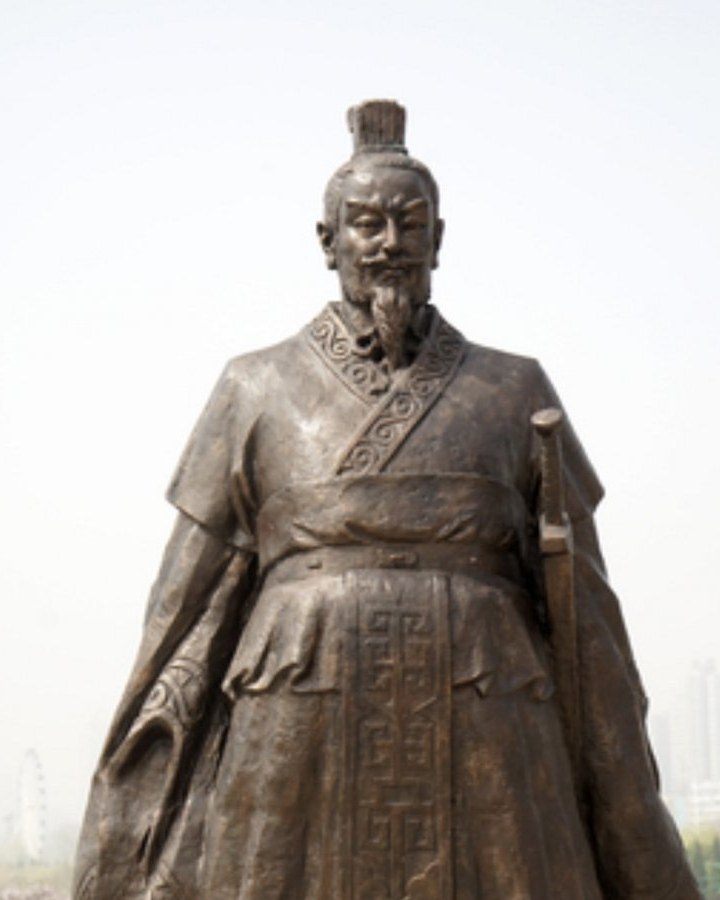
The handles belonged to Han Fei 韓非, the Legalist theorist of the third century BCE, who taught that 「明主之所導制其臣者,二柄而已矣。二柄者,刑德也……殺戮之謂刑,慶賞之謂德」, “the enlightened ruler guides and controls his ministers by two handles alone, punishment and 德 … killing is called punishment, and reward is called 德,” so that the word Confucius had used for virtue became, in Han Fei’s hands, the name of the prince’s payment. Han Fei was as attentive to feeling as Machiavelli, but to the prince’s own feelings, which he treated as a danger: 「君無見其所欲,君見其所欲,臣自將雕琢」, “the ruler must not show what he desires, for if he shows what he desires his ministers will carve and polish themselves to suit it,” and so 「去好去惡,臣乃見素」, “let him discard his likes and dislikes, and his ministers will show their plain selves,” and 「有勇而不以怒」, “having courage, let him not use it in anger.” The prince’s feelings, in this teaching, are a handle he must not hand to anyone, and what he shows of them becomes a mask.
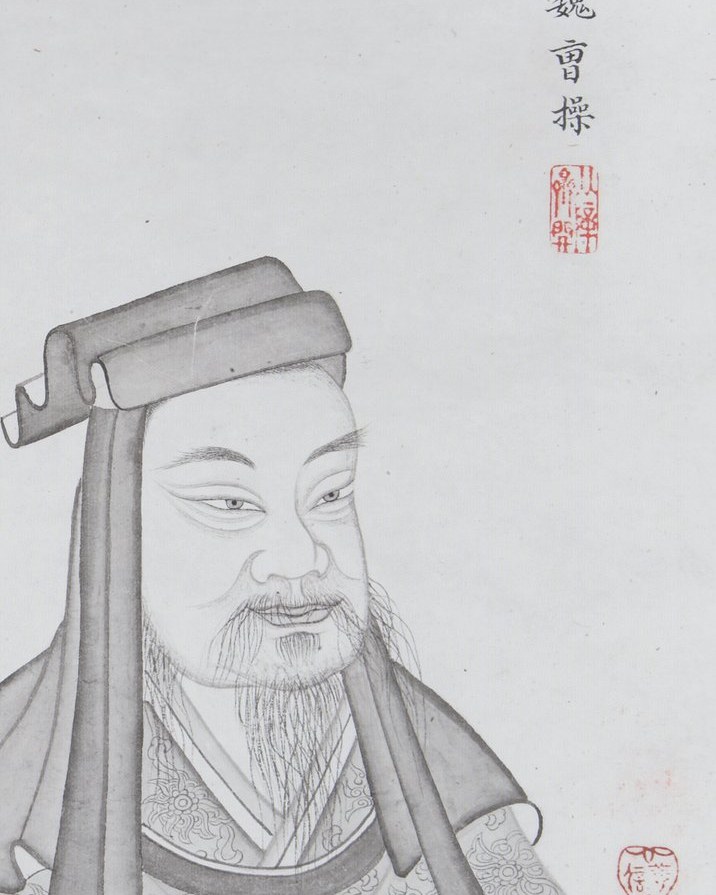
The Chinese historians accepted the scapegoat as Wu Zetian meant them to, and the Old Book of Tang 《舊唐書》 (Jiù Tángshū), whose authors charged her with every crime of her rise, still counted among her merits that she 「聽忠言而誅酷吏」, “heeded loyal advice and executed the cruel officials.” Cao Cao 曹操, the strongman of the Han’s last years and the founder in all but name of the state of Wei, used the scapegoat in a meaner form. The famous story of the granary officer whose head he borrowed to quiet a hungry army is told in the novel Romance of the Three Kingdoms, but an older and hostile source, quoted in the commentary to the official history, tells it more darkly: short of grain, Cao approved his officer’s proposal to issue a smaller measure, and when the soldiers said they were being cheated he told the officer 「特當借君死以猒衆,不然事不解」, “I must borrow your death to satisfy the troops, or this will not be settled,” beheaded him, and displayed the head with a placard accusing him of stealing grain. Remirro had at least been cruel, while the granary officer had only done what his master approved, and the same source adds that whenever Cao put a man to death he wept over him, 「其所刑殺,輒對之垂涕嗟痛之,終無所活」, “he would weep and lament over those he executed, yet in the end he spared none.” Whether those tears were false is exactly what no one could know, and the prince’s mask depends on that uncertainty.
Plato had already followed the logic of the scapegoat to its end, in the challenge that Glaucon puts to Socrates in the second book of the Republic. A shepherd named Gyges finds a ring that makes him invisible when he turns its collet inward, and as soon as he reaches the court “he seduced the queen, and with her help conspired against the king and slew him, and took the kingdom”; and the perfectly unjust man, Glaucon argues, is the one who has the ring’s power without the ring, who will “lie hidden if he means to be great in his injustice,” since “the highest reach of injustice is, to be deemed just when you are not.” The piazza at Cesena was a ring of this kind, which let the duke take the cruelty of his rule and set it down, in two pieces, beside another man, and the rest of the Republic is Plato’s attempt to show that the man with the ring is not, for all his success, happy.
Hunting Dogs
From the minister, the Discourses turn to the captain, the general who wins a war for his lord, and Machiavelli’s account of him is coolly unsentimental. Ingratitude in princes, he writes, “arises either from avarice or from suspicion,” and the second kind is natural, because “the captain who has virtuously acquired an empire for his lord” wins such a reputation “that the victory cannot taste good to the lord who has sent him,” and the prince “thinks either of having him killed or of taking away the reputation that he has gained for himself.” The next chapter offers the captain two courses: he may “leave the army at once after the victory and put himself in the hands of his prince,” or he may “spiritedly take the contrary part” and seize the state for himself; “there are no other ways,” but because men “do not know how to be either altogether bad or altogether good,” most of them, “remaining ambiguous, they are crushed between their delay and ambiguity.” Machiavelli blames the prince’s suspicion on nature, and the captain only for wavering.
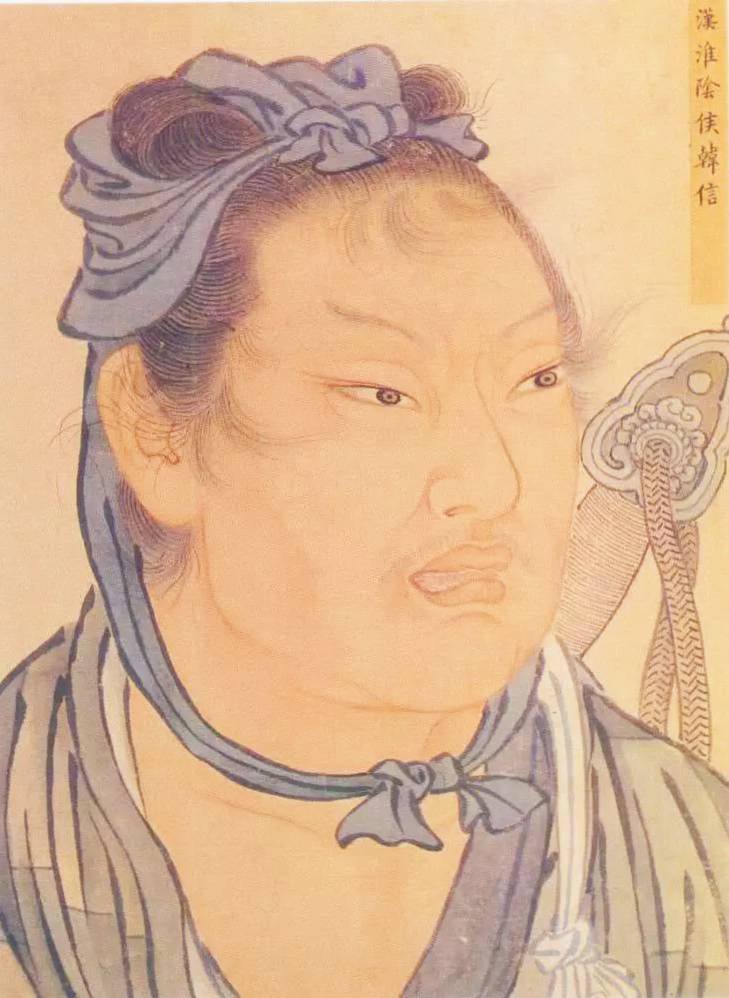
No figure in the Chinese record fits that chapter better than Han Xin 韓信, the general who won the empire for Liu Bang 劉邦, the founder of the Han, and whose life Sima Qian 司馬遷 told in the Records of the Grand Historian 《史記》 (Shǐjì) almost as if he were staging it. As a poor young man in his home town, Han Xin was challenged by a butcher’s boy to stab him or crawl between his legs, and after a long look he crawled, 「一市人皆笑信,以爲怯」, “and the whole market laughed at him for a coward.” Years later, as a king, he gave the butcher’s boy a military post and explained to his officers: 「此壯士也。方辱我時,我寧不能殺之邪?殺之無名,故忍而就於此」, “This is a brave man. When he humiliated me, could I not have killed him? But killing him would have won me no name, so I endured it, and came to this.” Han Xin had, in other words, the first gift of the feint, the power to swallow an insult and wait, and what he lacked would show only when the waiting was over.
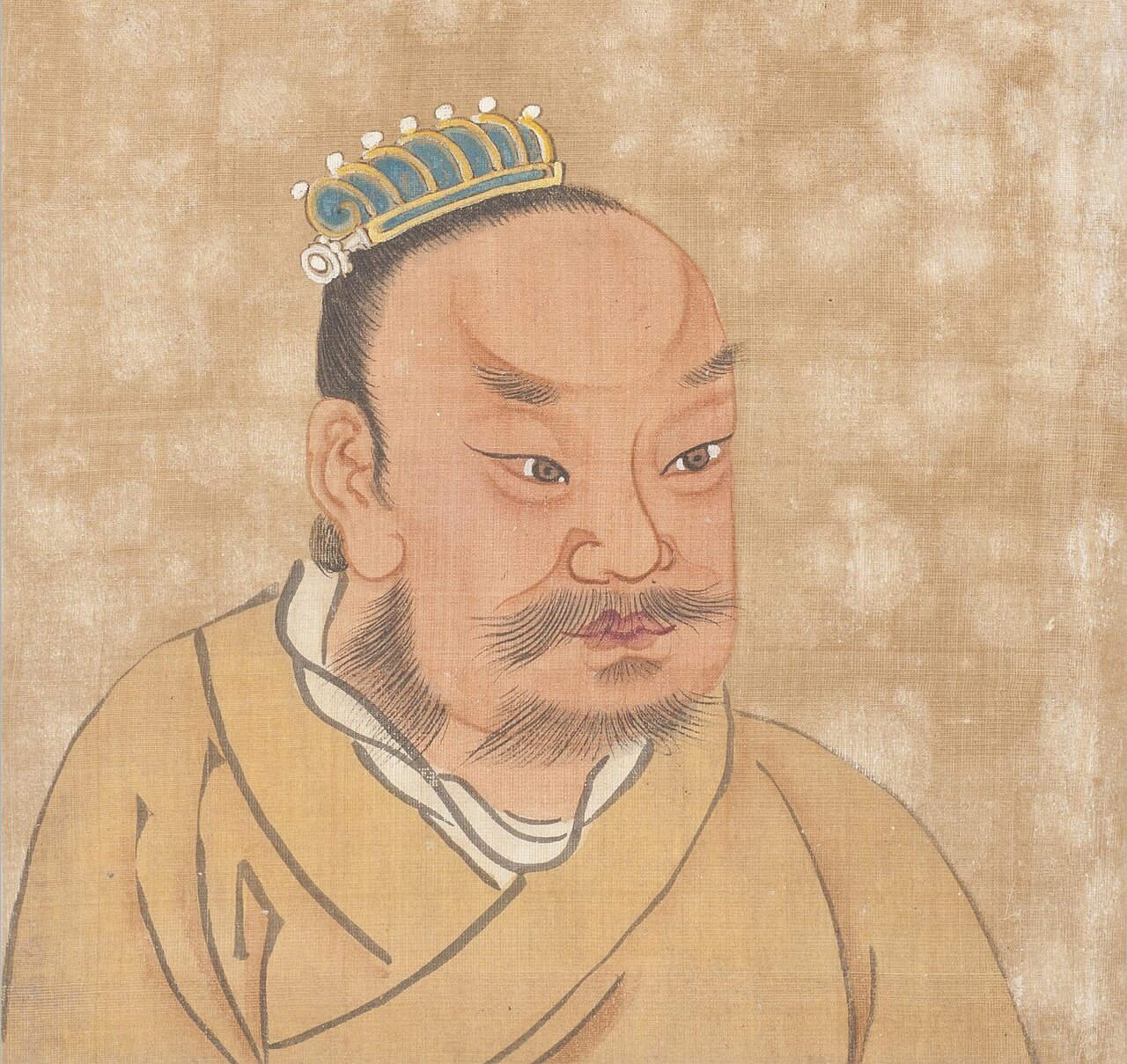
In 203 BCE, when Han Xin had conquered the kingdom of Qi and the war between Liu Bang and his rival Xiang Yu 項羽 hung on which side he chose, the persuader Kuai Tong 蒯通 came to offer him Machiavelli’s second course. He should side with neither, Kuai Tong argued, but divide the empire into three, 「參分天下,鼎足而居」, “three parts standing like the legs of a cauldron,” and he pressed the case in the language of the seized moment: 「天與弗取,反受其咎;時至不行,反受其殃」, “what Heaven gives and you do not take turns to blame; when the moment comes and you do not act, it turns to disaster,” and 「時乎時,不再來」, “the moment, the moment, will not come again.” Han Xin refused out of gratitude: 「漢王遇我甚厚,載我以其車,衣我以其衣,食我以其食……吾豈可以鄉利倍義乎!」, “the King of Han has treated me most generously, carried me in his carriage, clothed me in his clothes, fed me with his food … how could I turn from right toward profit?” Sima Qian names the ambiguity in a single sentence: 「韓信猶豫不忍倍漢,又自以爲功多,漢終不奪我齊」, “Han Xin hesitated, could not bear to betray Han, and believed his merit so great that Han would never take Qi from him.” The man who had been able to endure the butcher’s insult, 忍 (rěn), could not bring himself to betray his lord, 不忍 (bùrěn), and the feeling that Mencius, as we shall see, made the seed of humane government was, in a captain’s position, the one that killed him. Kuai Tong, his advice refused, took Brutus’s course instead: 「詳狂爲巫」, he “feigned madness and became a shaman.”
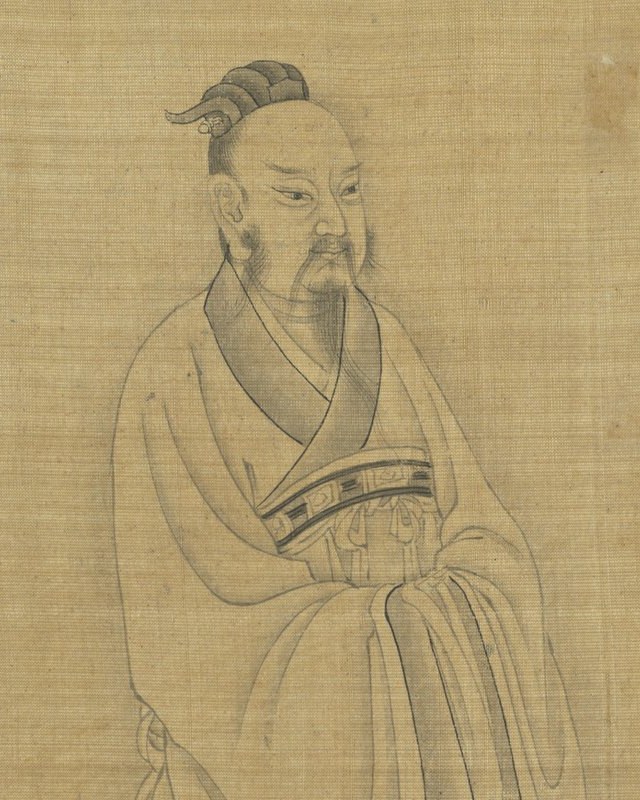
Liu Bang then did what Machiavelli’s princes do, and Sima Qian records each step. When Xiang Yu was dead he took Han Xin’s army from him by surprise and moved him from Qi to the kingdom of Chu, and a year later he had him seized during a pretended royal tour, at which Han Xin said:
「果若人言,『狡兔死,良狗亨;髙鳥盡,良弓藏;敵國破,謀臣亡。』天下已定,我固當亨!」
“It is as men say: ‘When the cunning hare dies, the good hound is boiled; when the high birds are gone, the good bow is put away; when the enemy states are destroyed, the minister who made the plans perishes.’ The realm is settled, and I am surely to be boiled!” The hunting image was the founder’s own, for Liu Bang had once called his generals 「功狗」, “meritorious dogs,” who run down the game while the man who points it out deserves the higher reward. Pardoned and demoted to marquis, Han Xin 「知漢王畏惡其能,常稱病不朝從」, “knew that the emperor feared and hated his ability, and often pleaded illness to stay away from court,” a captain feigning sickness with no plan behind it, who had chosen neither of Machiavelli’s two courses. In 196 BCE, while Liu Bang was away suppressing a rebellion, the empress lured Han Xin into the palace and had him beheaded, and his last words were 「吾悔不用蒯通之計,乃爲兒女子所詐,豈非天哉!」, “I regret not using Kuai Tong’s plan, and now I am tricked by a woman and children; is this not Heaven’s doing?” When Liu Bang came back and learned of it, he was 「且喜且憐之」, “both glad and sorry.”
Liu Bang asked what Han Xin had said before he died, heard Kuai Tong’s name, and had the persuader brought in to be boiled, and Kuai Tong saved himself by turning the hunting image around: 「秦失其鹿,天下共逐之,於是髙材疾足者先得焉。蹠之狗吠堯,堯非不仁,狗因吠非其主」, “when Qin lost its deer, the whole world gave chase, and the tallest and fastest caught it first; the robber Zhi’s dog barks at the sage Yao, not because Yao is not good, but because a dog barks at anyone who is not its master.” At that time, he said, he had known only Han Xin, and Liu Bang let him go. Machiavelli was himself a counselor whose master had lost, and he made Kuai Tong’s plea in his own way, for when the Medici returned to Florence in 1512 he lost his post, and early in 1513 he was arrested on suspicion of conspiracy and tortured; he wrote The Prince that year, in exile on his farm, and dedicated it to a Medici with a plea: “And if your Magnificence will at some time turn your eyes from the summit of your height to these low places, you will learn how undeservedly I endure a great and continuous malignity of fortune.”
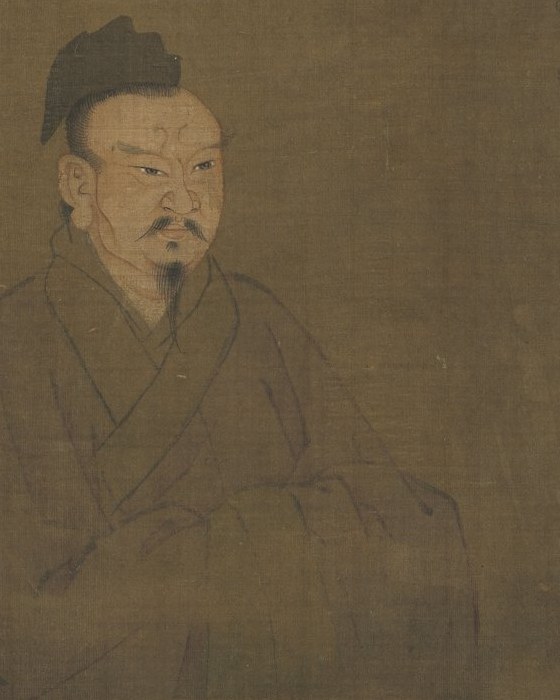
Where Machiavelli calls the prince’s suspicion natural, Sima Qian blames the captain’s pride, in the judgment he appends to the biography: 「假令韓信學道謙讓,不伐己功,不矜其能,則庶幾哉……不務出此,而天下已集,乃謀畔逆,夷滅宗族,不亦宜乎!」, “had Han Xin learned the Way of humility, not boasted of his merit or prided himself on his ability, he might nearly have succeeded … instead, when the realm was already settled, he plotted rebellion, and his clan was destroyed; was that not fitting?” Plato described the same necessity and drew the opposite moral from it. His tyrant in the eighth book of the Republic, once his power is secure, “must look about him and see who is valiant, who is high-minded, who is wise, who is wealthy; happy man, he is the enemy of them all, and must seek occasion against them whether he will or no, until he has made a purgation of the State,” which Socrates calls the reverse of a physician’s purge, since the physicians “take away the worse and leave the better part, but he does the reverse,” and the tyrant is left with what Socrates bitterly calls “a blessed alternative,” the choice “to be compelled to dwell only with the many bad, and to be by them hated, or not to live at all.”
Brothers at the Gate
Machiavelli’s Romulus, who killed his brother so that one man alone might give the new city its mode, has no closer counterpart in the Chinese record than the emperor whose ledger opened this essay. Li Shimin 李世民, the second son of the Tang founder, had won most of his father’s wars, and by 626 his elder brother, the crown prince, and his younger brother were plotting against him. On the eve of the attack he ordered a divination, and one of his officers seized the tortoise shell and threw it to the ground: 「卜以決疑;今事在不疑,尚何卜乎!」, “divination is for resolving doubt; there is no doubt here, so why divine?” At the Xuanwu Gate, Li Shimin shot the crown prince with his own bow, one of his officers killed the younger brother, and the same officer went in armour to the emperor, who was boating on a palace lake, and obtained his consent. What followed is told in Sima Guang’s Mirror: 「上乃召世民,撫之曰:『近日以來,幾有投杼之惑。』世民跪而吮上乳,號慟久之。」 “The emperor summoned Shimin, stroked him, and said: ‘Lately I nearly fell into the doubt of the mother who threw down her shuttle.’ Shimin knelt, sucked at his father’s breast, and wailed a long time.” The father’s allusion is to the mother of a disciple of Confucius, who would not believe a rumour that her son had killed a man until a third person repeated it, and then dropped her shuttle and fled, so that the emperor was apologizing for having nearly believed the slanders against his son on the very morning that son had killed his other two. The ten sons of the dead brothers were executed and struck from the imperial register, an amnesty declared that 「凶逆之罪,止於建成、元吉,自餘黨與,一無所問」, “the guilt stops with Jiancheng and Yuanji; of their followers, none shall be questioned,” and within two months the father had abdicated. Every element of Machiavelli’s chapter is present: one man alone, a rival removed, necessity preferred to omens, and cruelty done, as The Prince advises, all at once.
Having made himself emperor, Taizong turned to the record of how he had done it. In 643, reading the draft of the Veritable Records of his father’s reign, he found the account of that day 「語多微隱」, “veiled and evasive,” and told the historians: 「昔周公誅管、蔡以安周,季友鴆叔牙以存魯。朕之所以,亦類是耳,史官何諱焉!」, “Of old the Duke of Zhou executed his brothers Guan and Cai to secure the Zhou, and Ji You poisoned his brother Shuya to preserve Lu; what I did is of the same kind, so why should the historians conceal it?” He ordered the passage written plainly, 直書 (zhíshū), and five years later, in the 《帝範》, he set down his ledger of merit and fault together with the command not to take him for a model, and so obeyed Machiavelli’s condition that a founder not leave his extraordinary authority as an inheritance.
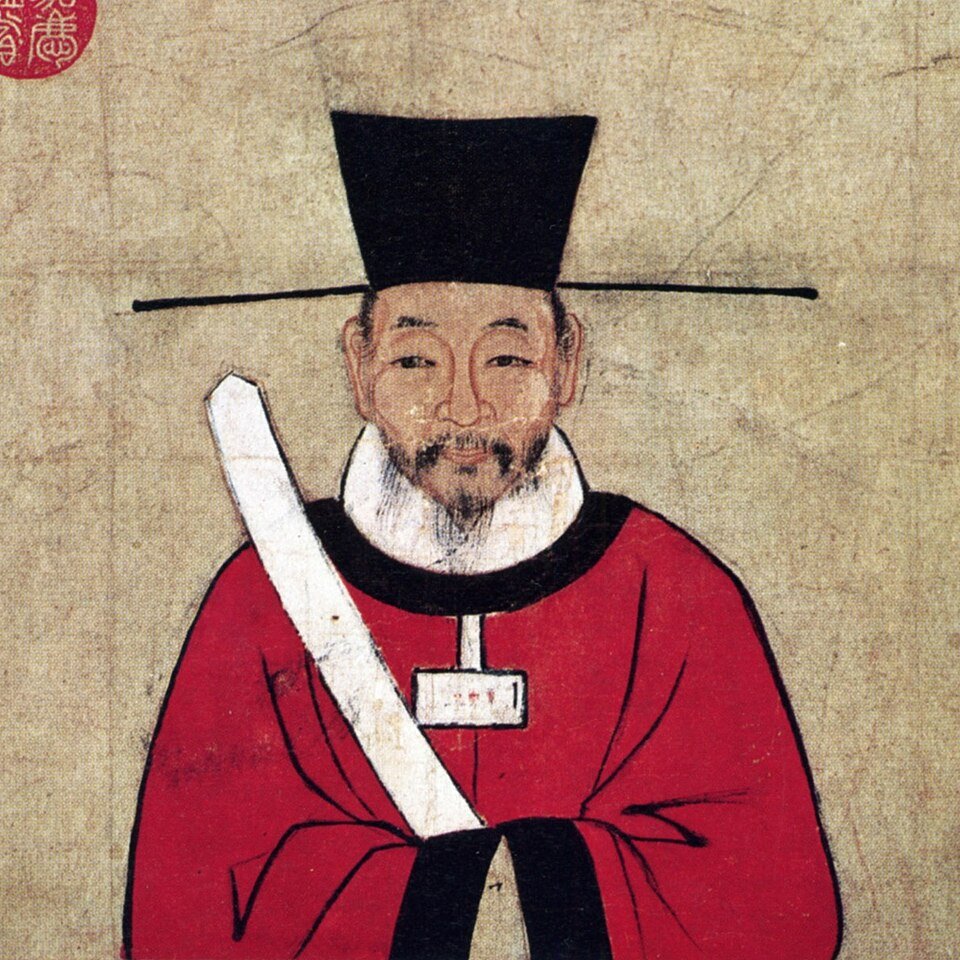
The Chinese historians refused the excuse, and their reason was Machiavelli’s own condition turned into a verdict. Sima Guang granted that the brothers could not have lived together, 「地嫌勢逼,必不相容」, and wished only that Taizong had waited for them to strike first, instead of coming to 「蹀血禁門,推刃同氣,貽譏千古」, “tread in blood at the palace gate and turn the blade on his own flesh and blood, inviting the censure of a thousand ages.” His decisive sentence is about precedent: 「夫創業垂統之君,子孫之所儀刑也,彼中、明、肅、代之傳繼,得非有所指擬以為口實乎!」, “a founder who establishes the line is the model his descendants follow; did not the successions of Zhongzong, Xuanzong, Suzong and Daizong find in this a precedent to point to?” Each of those four later emperors of the Tang came to the throne through a coup or a palace crisis, and for Sima Guang the morning at the Xuanwu Gate could not be excused by the reign it opened, since a founder can never keep his crime from becoming an inheritance.
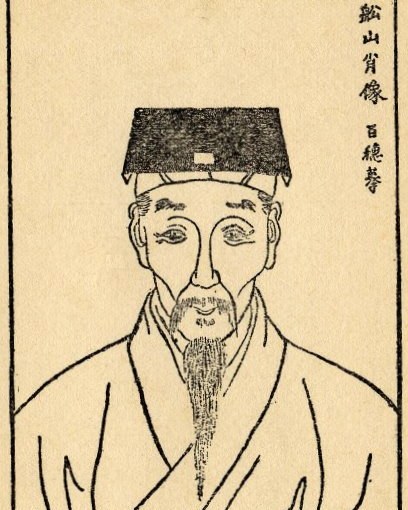
Wang Fuzhi 王夫之, writing in the seventeenth century, went further, and his target was not the killing but the order to write it down plainly. The evasive historians, he thought, had shown 「怵惕不寧之情」, the uneasy feeling that all men have, and he even preferred the hypocrite to the open killer, since 「其猶畏人知也,有不敢著、不忍著之心,則猶天良之未盡亡也」, “so long as a man still fears being known, and has a heart that dares not and cannot bear to display his crime, his conscience is not wholly gone.” By proclaiming his justification, Wang argued, Taizong had taught it to everyone: 「天子之不仁者,曰吾以天下故殺兄弟也;卿大夫之不仁者,亦曰吾以家故殺兄弟也;士庶人亦曰吾以身故殺兄弟也」, “the inhumane emperor will say, ‘I killed my brothers for the sake of the realm’; the inhumane minister will say, ‘I killed my brothers for the sake of my house’; and the commoner will say, ‘I killed my brothers for my own sake.’” History is written to set a rule for the future, Wang concluded, and Taizong had used it 「導天下以不仁」, “to lead the world into inhumanity.” The deepest charge in this verdict is not cruelty but shamelessness, the absence of the one feeling that, in Wang’s account, keeps a crime from becoming a lesson.
Wang Fuzhi’s complaint about Taizong is close to Leo Strauss’s complaint about Machiavelli, who in Strauss’s account “proclaims openly and triumphantly a corrupting doctrine which ancient writers had taught covertly or with all signs of repugnance,” for “he says in his own name shocking things which ancient writers had said through the mouths of their characters,” as Plato had spoken through Thrasymachus and Callicles. In both verdicts the offence is less the deed, which earlier princes and earlier writers had known well enough, than the open speech that turns the deed into a teaching, and Taizong, who ordered his crime written down plainly and compared himself to a sage, was in this respect the most Machiavellian of the Chinese princes.
Plato knew the founder’s crime as well, and in the Gorgias he gave it a name. The young rhetorician Polus, arguing that the unjust can be happy, holds up Archelaus, king of Macedon, who as the son of a slave woman “had no title at all to the throne which he now occupies”: Archelaus invited his uncle and his cousin to his house, made them drunk, carried them off by night and killed them, and then took the rightful heir, his half-brother, “a child of seven years old,” and “threw him into a well and drowned him, and declared to his mother Cleopatra that he had fallen in while running after a goose.” Polus mocks Socrates by saying that “now as he is the greatest criminal of all the Macedonians, he may be supposed to be the most miserable and not the happiest of them,” and Socrates takes the mockery in earnest, holding that “injustice is the greatest of evils to the doer of injustice,” and that a greater evil still lies “in an unjust man not suffering retribution,” since punishment alone could cure him. Plato, like Sima Guang, refuses the excuse, but for a different reason, for what concerns him is not the precedent the crime sets for others but the ruin it makes of the criminal’s own soul.
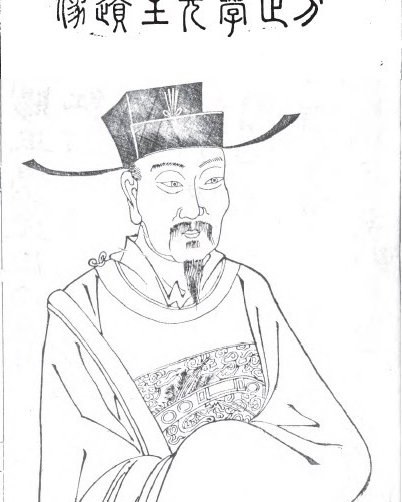
Like Taizong, the Yongle emperor needed the Duke of Zhou, though he claimed the duke’s regency rather than his fratricide. When he entered Nanjing in 1402 his nephew had vanished in the burning palace, and he summoned Fang Xiaoru 方孝孺, the most respected man of letters at the fallen court, to draft the edict of his accession, receiving him with the words 「先生毋自苦,予欲法周公輔成王耳」, “Do not distress yourself, sir; I only wish to imitate the Duke of Zhou, who assisted King Cheng.” Fang’s questions stripped the plea away:
「成王安在?」「彼自焚死。」「何不立成王之子?」「國賴長君。」「何不立成王之弟?」「此朕家事。」
“Where is King Cheng?” “He burned himself to death.” “Then why not set up King Cheng’s son?” “The state needs a mature ruler.” “Then why not King Cheng’s brother?” “This is my family’s affair.” Fang threw the brush to the ground, weeping and cursing, 「死即死耳,詔不可草」, “if I die, I die; the edict I will not draft,” and was dismembered in the market. The History of Ming 《明史》 (Míngshǐ) records that 「孝孺之死,宗族親友前後坐誅者數百人」, “for Xiaoru’s death several hundred of his kin and friends were executed,” and that 「永樂中,藏孝孺文者罪至死」, “under Yongle, keeping Xiaoru’s writings was a capital crime”; the story of the ten clans destroyed on his account, which every Chinese reader knows, is not in the History of Ming but comes from later, unofficial accounts. Yongle had the throne but not the edict, which is the Chinese form of Machiavelli’s verdict on the tyrant Agathocles, that crimes of this kind “can enable one to acquire empire, but not glory.”
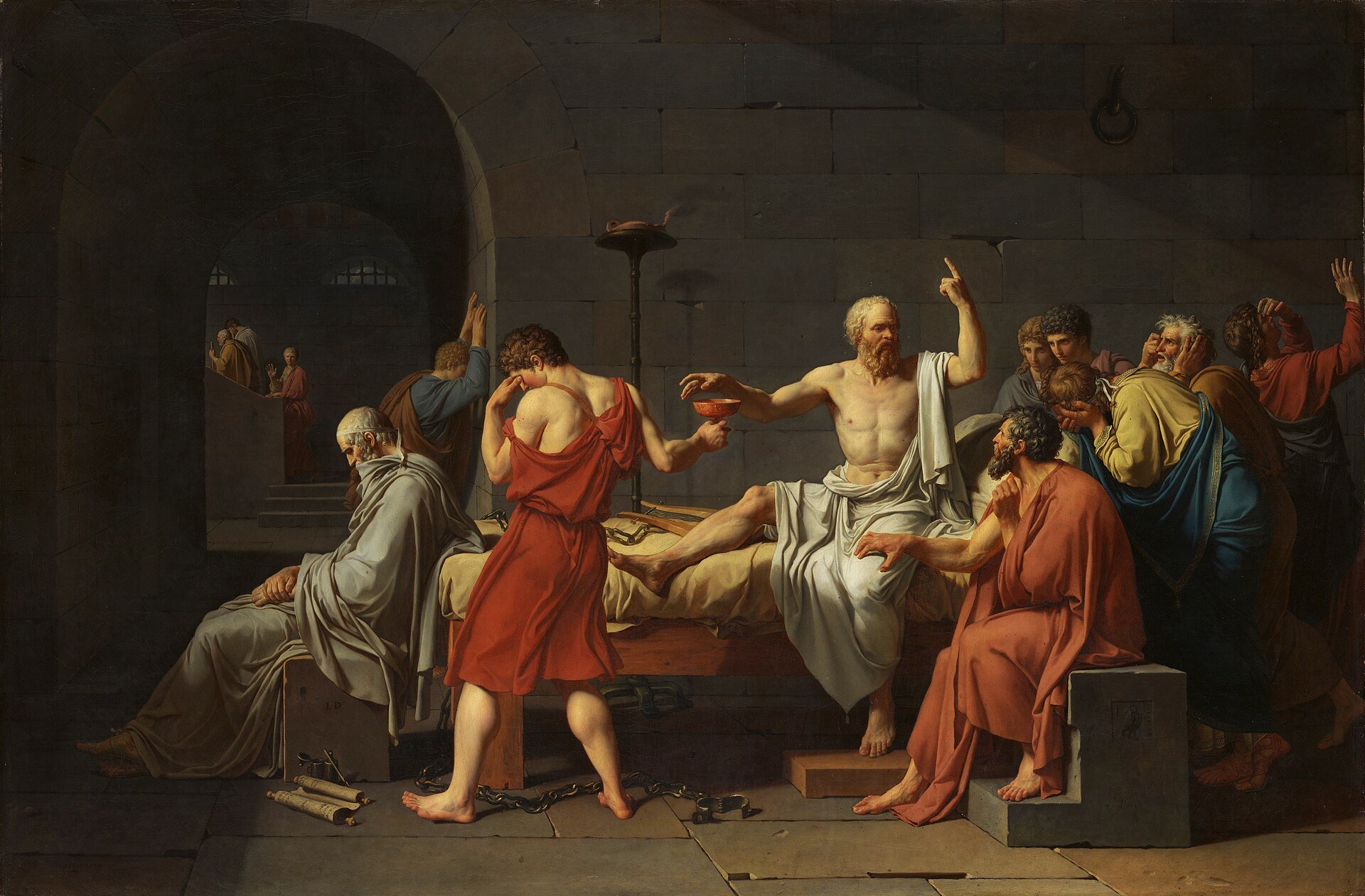
Socrates had made the same refusal eighteen centuries earlier, and in the same position, as a private man summoned to lend his hand to a regime’s killing. When the Thirty, the oligarchy that ruled Athens by terror after its defeat by Sparta, ordered him and four others to bring in Leon of Salamis to be put to death, he went home instead: “I showed, not in word only but in deed, that, if I may be allowed to use such an expression, I cared not a straw for death, and that my great and only care was lest I should do an unrighteous or unholy thing. For the strong arm of that oppressive power did not frighten me into doing wrong.” The Thirty fell before they could punish him, and it was the restored democracy that later condemned him, but the refusal is Fang’s, a no said to a power that needed his hand on its crime.
Three Words for Power
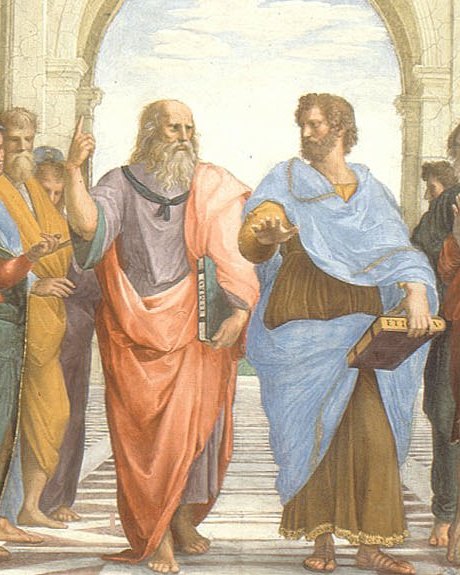
All three of the words these traditions used for the prince’s excellence began as names for effective power, and each tradition then divided over whether real efficacy requires goodness. In ordinary Greek aretē was excellence shown in action, and in the Meno the young Thessalian Meno gives the common view when he says that a man “should know how to administer the state, and in the administration of it to benefit his friends and harm his enemies,” and, pressed for a single definition, that “virtue is the power of governing mankind.” Socrates asks at once, “but do you not add ‘justly and not unjustly’?”, and in that question the two meanings of the word part company. The philosophers bound this excellence to goodness. In the first book of the Republic Socrates brings Thrasymachus to agree that justice is the excellence of the soul, so that “an evil soul must necessarily be an evil ruler and superintendent, and the good soul a good ruler.” Aristotle grants that every excellence makes a thing do its work well, as “the excellence of the horse makes a horse both good in itself and good at running and at carrying its rider,” but he separates cleverness, which can hit any mark, from practical wisdom: “if the mark be noble, the cleverness is laudable, but if the mark be bad, the cleverness is mere smartness,” and “it is impossible to be practically wise without being good.”
Neither philosopher asked the virtuous man to stop feeling, and on this point the Greek and the Chinese traditions stand together against Machiavelli. Aristotle defines moral virtue as a disposition concerning passions as well as actions, so that fear, confidence, appetite, anger and pity “may be felt both too much and too little, and in both cases not well; but to feel them at the right times, with reference to the right objects, towards the right people, with the right motive, and in the right way, is what is both intermediate and best, and this is characteristic of virtue.” And Plato’s picture of the well-ordered soul is of a man at war with his own feelings, like the Athenian Leontius, who passed the place of execution, saw the bodies lying there and felt “a desire to see them, and also a dread and abhorrence of them,” struggled and covered his eyes, and at last ran up to them, “saying, Look, ye wretches, take your fill of the fair sight”; the moral, Socrates says, is “that anger at times goes to war with desire,” and in a well-ordered soul anger fights on the side of reason. The Greek ideal is reason governing a feeling that remains, not a feeling suppressed into nothing.
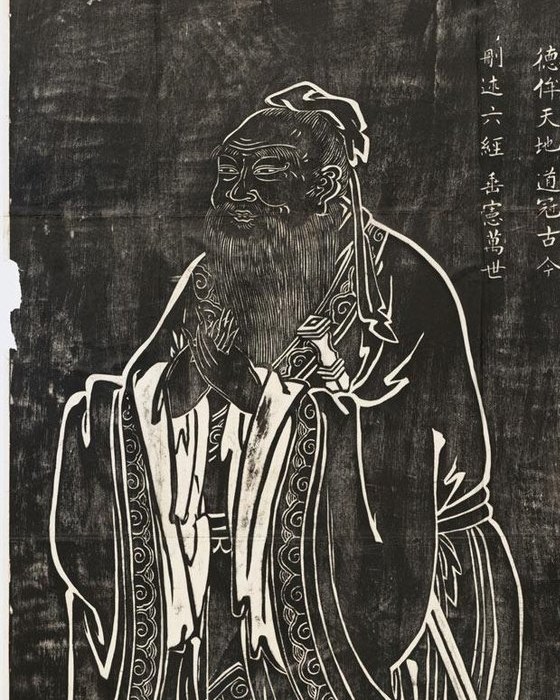
Early 德 was also a name for power, but for a power that works by attraction rather than by force, as Confucius’s best-known image of it shows: 「為政以德,譬如北辰,居其所,而眾星共之」, “one who governs by 德 is like the North Star, which stays in its place while the host of stars pays court to it.” When a ruler asked whether he should kill the lawless to help the good, Confucius answered 「子為政,焉用殺?……君子之德,風;小人之德,草;草上之風,必偃」, “in governing, what need have you of killing? … the 德 of the gentleman is the wind, and the 德 of the small man is the grass; when the wind passes over the grass, the grass must bend,” which is a refusal, given in advance, of the piazza at Cesena. Mencius drew the line between the two kinds of rule, 「以力服人者,非心服也……以德服人者,中心悅而誠服也」, “those who are subdued by force do not submit in their hearts … those who are subdued by 德 are glad in their inmost hearts and truly submit,” and of all the thinkers in this essay it was Mencius who made feeling the root of political virtue. 「人皆有不忍人之心」, he taught, “all men have a heart that cannot bear the suffering of others,” and 「先王有不忍人之心,斯有不忍人之政矣」, “the former kings had such a heart, and so they had a government that could not bear the suffering of others.” When a king of Qi saw an ox being led to sacrifice and spared it, saying 「吾不忍其觳觫,若無罪而就死地」, “I cannot bear its trembling, like an innocent man going to the place of death,” Mencius told him that 「是心足以王矣」, “this heart is enough to make you a true king.” It is the same 不忍 that kept Han Xin from betraying his lord.
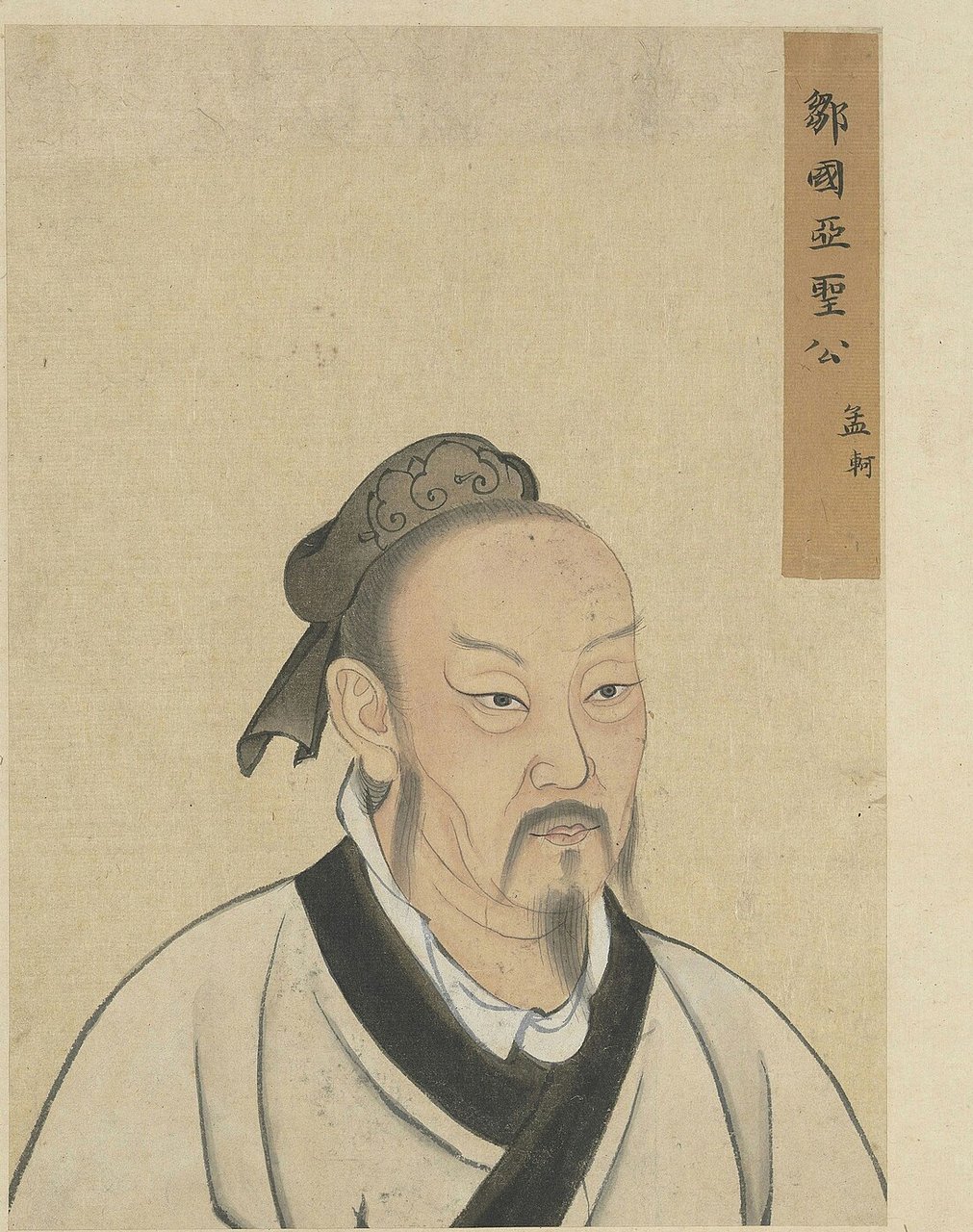
Han Fei, as we have seen, made 德 the name of the prince’s reward, and Mencius himself had left a door open to the counterfeit, in a remark about the hegemons of the Spring and Autumn period, who professed humaneness for the sake of power: 「五霸,假之也。久假而不歸,惡知其非有也?」, “the Five Hegemons borrowed it; but if you borrow a thing long and never give it back, who can know it is not yours?” That is the question of Machiavelli’s eighteenth chapter, where the prince need not have the virtues but must seem to have them, since “everyone sees how you appear, few touch what you are.”

Machiavelli kept the old word and changed what it meant, and the change can be watched happening in The Prince itself. His founders had nothing from fortune but the opportunity, and “without that opportunity their virtue of spirit would have been eliminated, and without that virtue the opportunity would have come in vain”; it seemed to him more fitting “to go directly to the effectual truth of the thing than to the imagination of it,” and a prince must learn “to be able not to be good.” The decisive passage is his account of Agathocles, a potter’s son who made himself king of Syracuse by having his soldiers kill its senators and its richest citizens: “one cannot call it virtue to kill one’s citizens, betray one’s friends, to be without faith, without mercy, without religion; these modes can enable one to acquire empire, but not glory. For, if one considers the virtue of Agathocles in entering into and escaping from dangers, and the greatness of his spirit in enduring and overcoming adversities, one does not see why he has to be judged inferior to any most excellent captain.” The word is denied to Agathocles and granted to him in consecutive sentences. Harvey Mansfield, Machiavelli’s translator, describes the new virtue as “a prudent or well-taught combination of vice and virtue in the old meaning,” which must nonetheless “continue to coexist with the old meaning, according to which virtue is shocked by vice”; Strauss is starker, and says the prince must possess “that virtue which consists of ‘brain,’ or ‘greatness of mind,’ and manliness combined—the kind of virtue praised by Callicles in Plato’s Gorgias and possessed by the criminals Agathocles and Severus.”
Pity, the feeling Mencius made the root of kingship, becomes in Machiavelli a liability, and his chapter on cruelty and mercy says so with Borgia as its example. The duke “was held to be cruel; nonetheless his cruelty restored the Romagna, united it, and reduced it to peace and to faith,” and “if one considers this well, one will see that he was much more merciful than the Florentine people, who so as to escape a name for cruelty, allowed Pistoia to be destroyed,” so that a prince who wants his subjects united and faithful “should not care about the infamy of cruelty.” The king of Qi spared one trembling ox and was told that he had a king’s heart, while the Florentines, unwilling to be called cruel, let a subject city tear itself apart, and Machiavelli’s point is that mercy of that kind is the greater cruelty.
Taizong’s 《帝範》 contains the nearest Chinese statement of Machiavelli’s eighteenth chapter, in which the ancient writers are said to have taught princes covertly by telling how Achilles, “and many other ancient princes, were given to Chiron the centaur to be raised,” and in which “to have as teacher a half-beast, half-man means nothing other than that a prince needs to know how to use both natures.” Taizong advised his heir that 「術以神隱為妙」, “technique is best when divinely hidden,” and that 「威惠並馳,剛柔兩用」, “severity and kindness must gallop side by side, hardness and softness both be used,” which is Chiron’s double nature written from the throne. Strauss called Machiavelli himself “a Chiron of an entirely new kind,” because he taught openly what the ancients had taught under cover of myth, and the horse, which is half of Chiron, sorts the three traditions in a single image: Aristotle’s horse has its excellence because it runs well and carries its rider, Confucius praises the thoroughbred 「驥不稱其力,稱其德也」, “not for its strength but for its 德,” and Machiavelli’s prince must learn from a teacher who is half horse himself.
The Chinese counterpart to Machiavelli’s pairing of virtue and fortune is not 德 set against fate but 勢 (shì), the power that comes with position, together with 時 (shí), timing. Machiavelli’s fortune “is arbiter of half of our actions” and leaves “the other half, or close to it, for us to govern,” and men can prepare for her floods “with dikes and dams.” Han Fei held that a ruler of average gifts, neither sage nor tyrant, could govern well if he occupied the right position, and that the position he meant was one that people build, 「吾所為言勢者,言人之所設也」, “the position I speak of is the one people set up.” Han Fei’s built position resembles Machiavelli’s dikes, with the difference that a system builds it and not a hero, and Chinese strategic thought in general, which prizes the advantage of the situation over the daring of the man, has little room for the bold individual who wrestles with fortune and wins glory by it. The Old Book of Tang explains Wu Zetian in exactly these terms, without crediting her with any virtue at all: 「治亂,時也,存亡,勢也……使懦夫女子乘時得勢,亦足坐制群生之命」, “order and disorder are a matter of the times, survival and ruin a matter of position … let a weakling or a woman ride the moment and gain the position, and she can sit controlling the lives of all.” Han Xin credited Liu Bang’s success to Heaven, 「天授,非人力也」, “a gift of Heaven, not human effort,” and Kuai Tong’s 「時乎時,不再來」 is Machiavelli’s opportunity, offered and refused.
Manliness is the test of all three words, and every tradition in this essay codes cunning as feminine. Machiavelli genders the prince’s adversary, for “it is better to be impetuous than cautious, because fortune is a woman; and it is necessary, if one wants to hold her down, to beat her and strike her down,” and “like a woman, she is the friend of the young, because they are less cautious, more ferocious, and command her with more audacity.” Strauss read the books as a training in hardness, whose pupils “must go through a process of brutalization in order to be freed from effeminacy,” yet Mansfield denies that manliness is the meaning of Machiavelli’s virtue: “Machiavelli obviously encourages manly impetuosity, but for that very reason it has only a share in his own virtue, which must also have room for womanly endurance, irony, and passivity.” The feints with which this essay began, Socrates’ irony among them, are that passivity, and Plato had already staged the quarrel over its manliness, for in the Gorgias Callicles warns Socrates that a grown man who goes on philosophizing “becomes effeminate. He flies from the busy centre and the market-place, in which, as the poet says, men become distinguished; he creeps into a corner for the rest of his life, and talks in a whisper with three or four admiring youths, but never speaks out like a freeman.”
The Chinese record genders cunning just as clearly, and it aims the charge at the counselors. Mencius defined the true man, the 大丈夫 (dàzhàngfu), against the alliance diplomats of his day, whose rages could make the feudal lords tremble: 「以順為正者,妾婦之道也……富貴不能淫,貧賤不能移,威武不能屈,此之謂大丈夫」, “to take compliance as correctness is the way of concubines and wives … not to be corrupted by wealth and rank, not to be moved by poverty, not to be bent by force: that is called a great man.” Machiavelli’s advice to the subordinate in his chapter on Brutus, to go on “praising, speaking, seeing, doing things against your intent so as to please the prince,” is exactly what Mencius calls 以順為正 (yǐ shùn wéi zhèng), and what Machiavelli calls the height of prudence Mencius calls the way of concubines.
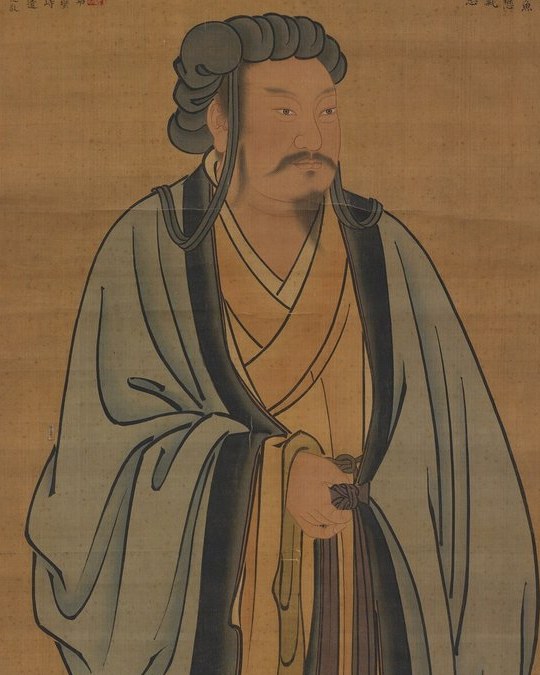
The princes who win take the feminine charge on themselves and perform their manliness for the troops. During the long standoff on the Wei River in 234, Zhuge Liang 諸葛亮 sent Sima Yi a woman’s headdress and ornaments, 「巾幗婦人之飾」, to shame him for refusing battle, and Sima Yi angrily petitioned the court for leave to fight, but Zhuge read the anger as theatre: 「彼本無戰心,所以固請者,以示武于其眾耳」, “he has no wish to fight; he presses the request only to show his martial spirit to his men.” When Xiang Yu challenged Liu Bang to single combat, 「願與漢王挑戰決雌雄」, “let us fight it out and settle which of us is female and which is male,” Liu Bang laughed and declined: 「吾寧鬬智,不能鬬力」, “I would rather fight with my wits; I cannot fight with my strength.” Han Xin had crawled between a butcher’s legs without flinching, but at his death he could not bear to have been 「爲兒女子所詐」, tricked by a woman and children. And Wu Zetian completes the inversion, for the Tang historians, who called her rule 「牝雞司晨」, the hen crowing at dawn, explained it by the times and by position, so that in their account a woman rides the times, where in Machiavelli the times are a woman.
Who May Forget
Feeling, in the end, returns to the prince himself, and in the Chinese record it returns after the deed, when the stratagem has worked and the dead are counted. Taizong, on the morning his brothers died, knelt at his father’s breast and wailed, and ten years later he wept again for that father. When his empress died in 636 he built a tower in the palace park to gaze at her tomb, and took his minister Wei Zheng 魏徵 up to see it; Wei Zheng, with a feint of his own, peered and said he could see nothing, and when the emperor pointed, he answered 「臣以為陛下望獻陵若昭陵,則臣固見之矣」, “I thought Your Majesty was gazing at Xianling, your father’s tomb; if it is the empress’s, of course I can see it,” and 「上泣,為之毀觀」, “the emperor wept, and had the tower torn down.” A few months after Han Xin’s death, Liu Bang, passing through his home town on his way back from crushing the last great rebellion of his reign, feasted its elders, taught a hundred and twenty boys a song, and sang it himself, beating time on a zither: 「大風起兮雲飛揚,威加海內兮歸故鄉,安得猛士兮守四方!」, “A great wind rises, the clouds fly up; my might covers all within the seas, and I come home; where shall I find brave men to guard the four quarters?” Then 「高祖乃起舞,慷慨傷懷,泣數行下」, “he rose and danced, stirred and grieving, and the tears ran down in streams.” The emperor who had destroyed his bravest captain wept for want of brave men. Plato does not show his tyrant weeping, but he places the weeping inside him, since the tyrannical city and the tyrannical man must “be always full of fear,” and in none will you find “more of lamentation and sorrow and groaning and pain.”
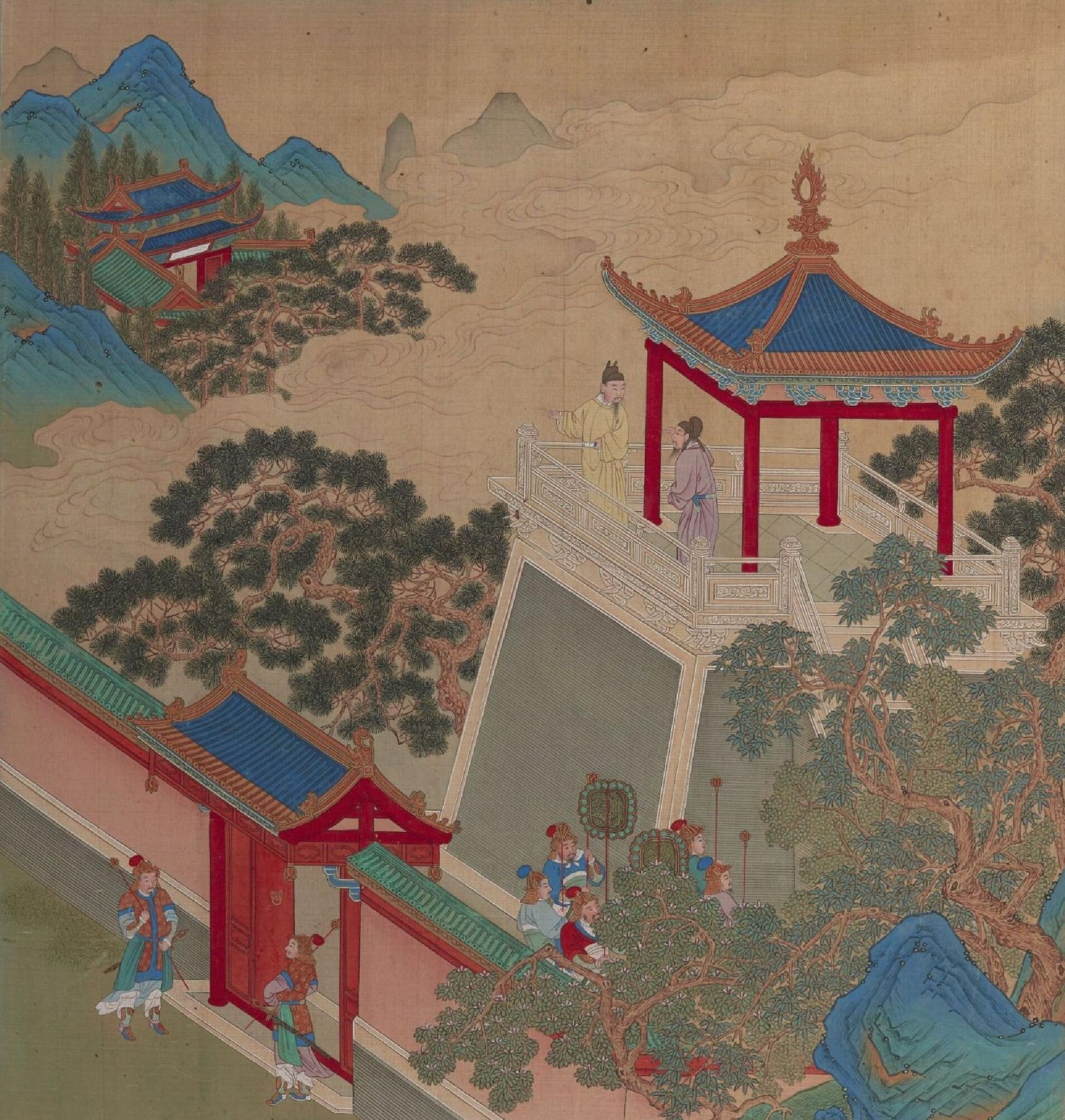
These tears cannot be weighed, and whether they are sincere or performed is exactly what the prince’s craft makes undecidable, but in each case they carry the same meaning, since they are the prince’s request to be forgiven, made after the act and addressed to whoever has the power to grant it. Plato’s answer is the judgment of the dead. In the myth that closes the Gorgias, souls come before their judges stripped of their bodies, so that “all the natural or acquired affections of the soul are laid open to view,” and the judge may lay hands on “the soul of the great king, or of some other king or potentate, who has no soundness in him, but his soul is marked with the whip, and is full of the prints and scars of perjuries and crimes with which each action has stained him.” The incurable, Socrates adds, come mostly “from the class of tyrants and kings and potentates and public men, for they are the authors of the greatest and most impious crimes, because they have the power,” and Archelaus will be found among them. Plato grants forgetting only at the threshold of a new life, for in the myth of Er every soul must drink, before it is born again, from “the river of Unmindfulness, whose water no vessel can hold,” and “each one as he drank forgot all things”; but that forgetting is given to all alike and pardons no one, and Ardiaeus never comes up to drink it. Machiavelli denies that any forgetting exists among the living. Borgia’s one error, he says, was to trust a pope he had once injured, since whoever believes that new benefits make great men forget old injuries deceives himself, and his psychology of memory is economic rather than divine, for “men forget the death of a father more quickly than the loss of a patrimony.” The prince therefore does his injuries all at once and leaves no one able to avenge them, and the excuse, if there is to be one, comes from the effect.
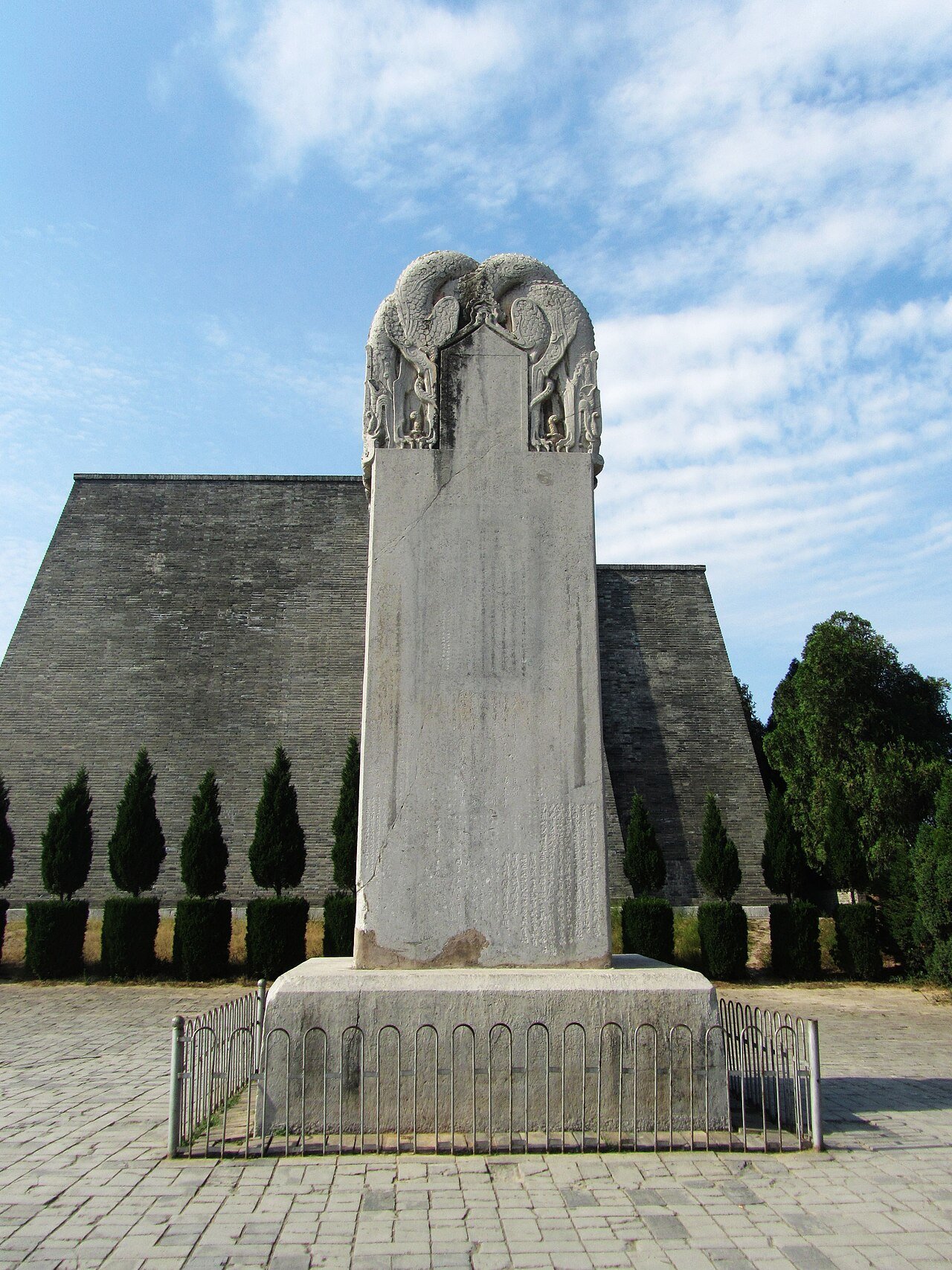
The Chinese princes tried to manufacture forgetting by decree, Taizong with his amnesty for his brothers’ followers and Yongle with his death penalty for keeping Fang Xiaoru’s books, but there was one power the prince could not command. In 642 Taizong asked Chu Suiliang 褚遂良, the official who kept his court diary, whether he might see what had been written, and was told that 「史官書人君言動,備記善惡,庶幾人君不敢為非,未聞自取而觀之也」, “the historians record the words and deeds of the ruler, the good and the bad alike, in the hope that the ruler will not dare to do wrong; I have never heard of a ruler taking the record to read it himself.” The emperor asked, 「朕有不善,卿亦記之邪?」, “if I do something wrong, will you record that too?” and Chu answered, 「臣職當載筆,不敢不記」, “my office is to hold the brush; I dare not fail to record it,” while another minister added 「借使遂良不記,天下亦皆記之」, “even if Suiliang did not record it, all the world would.” Two months later, as though the brush had already begun its work, Taizong posthumously restored his murdered elder brother to the rank of crown prince. In China the historian’s brush stands where Plato’s judges stand, and does in history what they do beneath the earth, reading the prince’s crimes and forgetting nothing, and the only forgetting Wang Fuzhi honoured was the historians’ own ashamed veiling of the deed, which Taizong had overruled. On the hill at Qianling, northwest of Xi’an, where Wu Zetian lies beside her husband, stands a tall stone stele with no inscription, and tradition holds that she left it blank so that later ages might write her verdict for her.
Machiavelli’s virtù could become a name for effectual truth only in a world with no judge beneath the earth and no historian whose verdict outlasts the deed, and Machiavelli, who was in Cesena the winter Remirro was found in the piazza and was later tortured by princes himself, wrote for exactly that world, in which the effect is the only judge left. Taizong lived between the other two. He wrote his own verdict, 「功大過微,德未虧」, because he knew the brush would write another, and he weighed his merit against his faults in the manner of Machiavelli while measuring the sum in the coin of Confucius, so that the word 德 in his ledger means both things at once, the power that pacified the world and the goodness that was supposed to make that power legitimate. The historians did not accept his sum. But the same Mirror that condemned him for treading in blood at the palace gate also recorded the son kneeling at his father’s breast and wailing a long time, so that the record that would not forgive the prince kept his tears along with his crime, which may be all that a prince who asks to be forgiven can hope for from those who refuse to forget.
Empire, but Not Glory
The theater of history seems, on this evidence, to settle its own question in favour of power, and to reduce virtue to the name that historians and scholars give, after the fact, to what power has already done. Machiavelli says as much in his chapter on keeping faith: “So let a prince win and maintain his state: the means will always be judged honorable, and will be praised by everyone. For the vulgar are taken in by the appearance and the outcome of a thing.” The Chinese record lends him a good deal of support, since each dynasty wrote the official history of the one it had overthrown, the Mandate of Heaven could always be read backwards, so that the winner had it because he had won, and the proverb 成王敗寇 (chéng wáng bài kòu), “the winner is a king and the loser a bandit,” says the rest; the Old Book of Tang counted it a merit in Wu Zetian that she executed her own cruel officials, which is exactly the verdict her scapegoats were killed to produce. The tradition knew the danger, and its sternest moralists warned against judging 「以成敗論是非」, “right and wrong by success and failure,” but the warning is itself a sign of how strong the habit was.
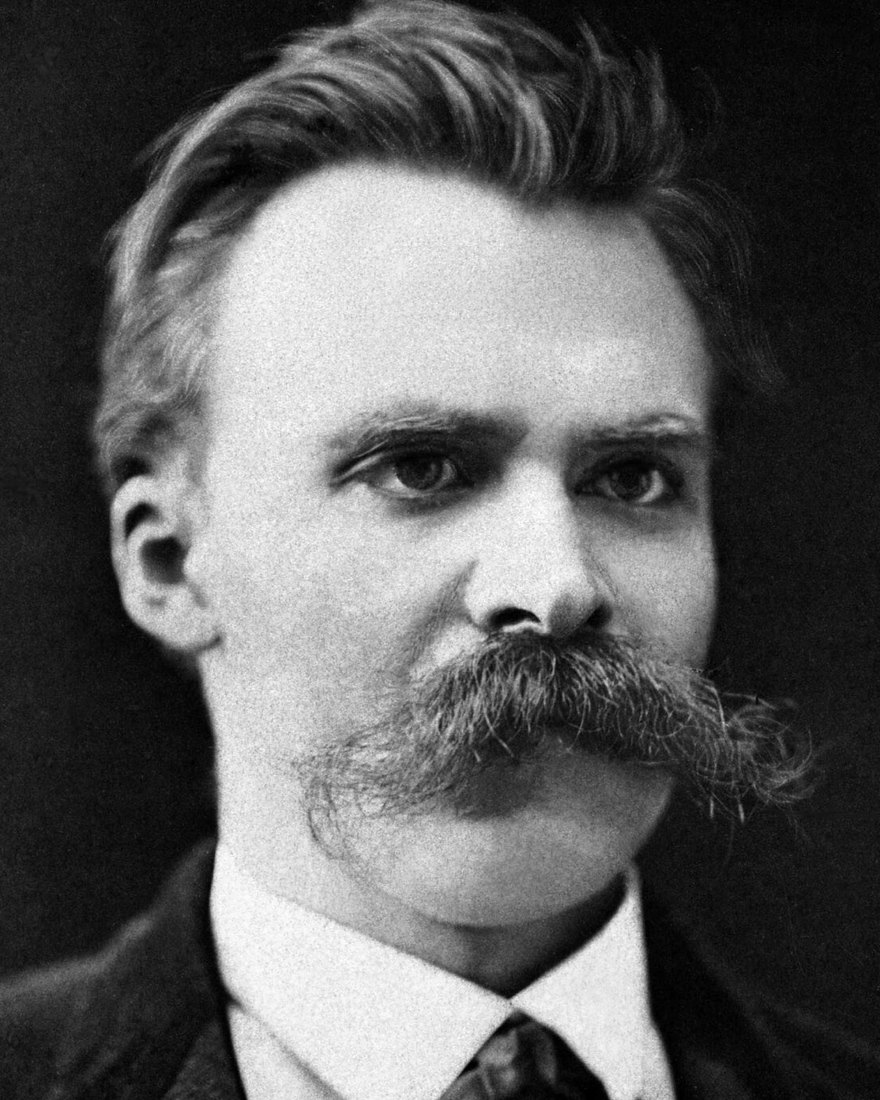
Friedrich Nietzsche, who read Machiavelli as a kindred spirit, answered the same question with a harsher yes. “Thucydides and perhaps Machiavelli’s principe,” he wrote, “are most closely related to me owing to the absolute determination which they show of refusing to deceive themselves and of seeing reason in reality,—not in ‘rationality,’ and still less in ‘morality.’” In The Antichrist he put his doctrine in the form of a catechism, “What is good? All that enhances the feeling of power, the Will to Power, and power itself in man. What is bad?—All that proceeds from weakness,” and what he asked for was “not virtue, but efficiency (virtue in the Renaissance sense, virtu, free from all moralic acid),” which is Machiavelli’s word, and with the word came Machiavelli’s hero, for Nietzsche protested that Cesare Borgia was misunderstood so long as moralists looked for a “morbidness” in “these healthiest of all tropical monsters.” His Genealogy of Morals goes further than Machiavelli on the second half of the question. The words for “good” in every language, he argued, lead back to the idea of “aristocrat,” “noble,” which is the discovery this essay made about aretē, 德 and virtù, all of which began as names for power; and the moral sense of good, the good that is opposed to evil, came afterwards, as the invention of those who could not act: “The revolt of the slaves in morals begins in the very principle of resentment becoming creative and giving birth to values—a resentment experienced by creatures who, deprived as they are of the proper outlet of action, are forced to find their compensation in an imaginary revenge.” Read in this light, the brush of the Chinese historian is not a neutral record but the weapon of men without armies, and Wang Fuzhi’s sentence on Taizong is the revenge of a scholar on an emperor a thousand years dead.
The resemblance between the two thinkers is real, since both refuse to measure the prince by morality, both revive a virtù free of goodness, and both admire the same duke, but the difference between them matters as much. Machiavelli’s virtue is political, measured by its effect on a state and judged by an audience of the vulgar, whom the prince must keep persuaded that he is merciful, faithful and religious, so that his new virtue lives, as Mansfield says, alongside the old meaning “according to which virtue is shocked by vice,” and needs that old meaning in order to work. Nietzsche had no wish to deceive the audience but wanted to change what it applauds, and the power he praised is less the conquest of a state than the self-overcoming of a man, which is why he kept the word virtue for it: “Power is it, this new virtue; a ruling thought is it, and around it a subtle soul.” Neither thinker abolished virtue, and both renamed power as virtue, which is what Taizong had done from the other side when he wrote 「德未虧」 over a ledger of merit. On forgetting, the question of the last section, Nietzsche stands against both Plato’s judges and the Chinese brush, for “Forgetfulness is a property of all action,” and his example of a strong nature is a statesman of the French Revolution who “had no memory for any insults and meannesses which were practised on him, and who was only incapable of forgiving because he forgot.” A man of that kind needs neither the excuse Machiavelli offers nor the forgiveness the tears ask for, and the historian who forgets nothing is, on Nietzsche’s account, the enemy of action itself.
Yet the princes of this essay argue against reducing virtue to an afterthought, since they wanted it while they still held power and no historian could touch them. Taizong already had the empire when he wrote 「德未虧」, and nothing obliged him to claim that his virtue was intact except his own need to say so; Yongle had the throne and still killed hundreds because one scholar would not write an edict; and even Machiavelli, who made the outcome the judge, kept glory apart from empire and denied it to Agathocles. Virtue also worked in advance, and not only afterwards. Chu Suiliang told Taizong that the record was kept “in the hope that the ruler will not dare to do wrong,” and that hope shaped a reign; Fang Xiaoru and Socrates each refused a tyrant’s order at the risk of death, in the moment and not in a later history; and Han Xin’s 不忍 decided his fate while he still commanded an army.
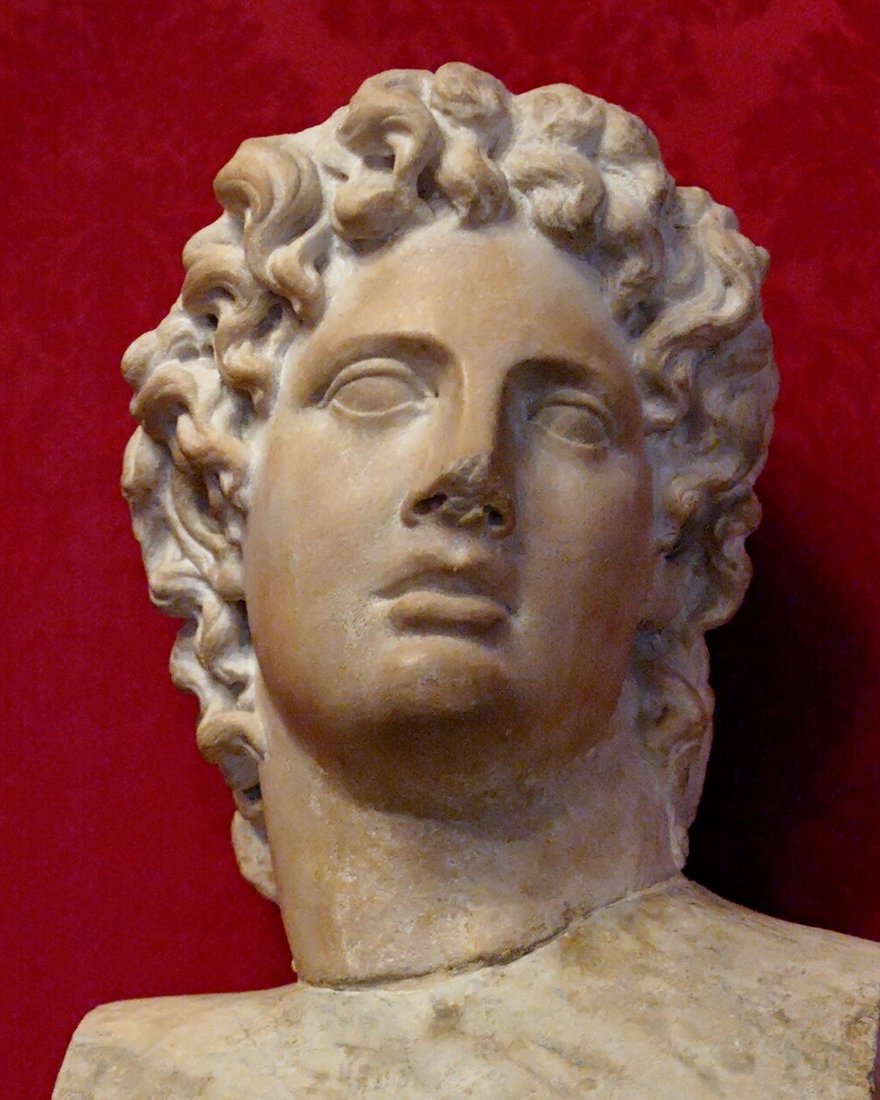
Plato gives the clearest picture of virtue felt in the moment, and he gives it to the most gifted political adventurer of his age. Alcibiades, who wanted to rule Athens and would later betray it to Sparta and to Persia, confesses in the Symposium that when Socrates speaks “my heart leaps within me more than that of any Corybantian reveller, and my eyes rain tears,” and that Socrates “is the only person who ever made me ashamed, which you might think not to be in my nature, and there is no one else who does the same. For I know that I cannot answer him or say that I ought not to do as he bids, but when I leave his presence the love of popularity gets the better of me.” Alcibiades felt the claim of virtue while he still had everything before him, wept under it and chose power anyway, and whatever that is, it is not an afterthought.
The Chinese tradition’s own answer is a distinction between taking and holding, and it was first put to Liu Bang himself. A scholar at his court, Lu Jia 陸賈, kept quoting the Odes and the Documents to him, until the emperor cursed him, 「乃公居馬上而得之,安事詩書!」, “I won it on horseback; what use are the Odes and Documents to me?” Lu Jia answered: 「居馬上得之,寧可以馬上治之乎?且湯武逆取而以順守之,文武并用,長久之術也」, “you won it on horseback, but can you rule it from horseback? Tang and Wu took their realms against the right and held them by following it; to use the civil and the martial together is the art of lasting.” Had Qin, once it had united the world, practised humaneness and followed the former sages, he went on, 「陛下安得而有之?」, “how could Your Majesty have come to possess it?” Liu Bang 「不懌而有慚色」, “was displeased, and showed shame,” and ordered him to write a book on why Qin had lost the empire and the Han had won it. A generation later Jia Yi 賈誼 gave the classic verdict on Qin, the state that had governed by the Legalists’ teaching, unified China by force and fallen within fifteen years: 「一夫作難而七廟墮,身死人手,為天下笑者,何也?仁義不施而攻守之勢異也」, “one commoner raised a revolt and its seven ancestral temples fell, its ruler died at other men’s hands and became the laughingstock of the world; and why? Because humaneness and right were not practised, and the position of one who attacks differs from that of one who holds.” Taking and holding, Jia Yi concluded, 「不同術也」, “are different arts.”
The theater of human history, then, gives no single verdict on whether power is the more desirable outcome, because the answer depends on how long the play is allowed to run. In the short run power usually wins and the record bends toward the winner, and Machiavelli and Nietzsche are the most honest witnesses to that; but virtue is not only a verdict written afterwards, since it is also a kind of power, the power of attraction that early 德 named, the one possession a conqueror cannot take by force and must be granted by others, which is why the princes keep reaching for it when they have everything else. A theater has an audience, and the audience judges, however late and however crudely, by virtue’s standards. The prince can take an empire by himself, but glory, in Machiavelli’s word, or 德, in Taizong’s, is something he can only claim, as Taizong claimed it in 「德未虧」, written in his own hand, with the verdict left, as Wu Zetian is said to have left it on her blank stone, to others.
The contrast between Machiavelli’s fortune and the Chinese idea of 勢 is indebted to François Jullien’s The Propensity of Things and A Treatise on Efficacy. Plato is quoted in Benjamin Jowett’s translations, Aristotle in W. D. Ross’s, The Prince in Harvey Mansfield’s, the Discourses in Harvey Mansfield and Nathan Tarcov’s, Strauss from Thoughts on Machiavelli, and Nietzsche in Anthony M. Ludovici’s translations of Twilight of the Idols and The Antichrist, Helen Zimmern’s of Beyond Good and Evil, Horace B. Samuel’s of The Genealogy of Morals, Thomas Common’s of Thus Spake Zarathustra and Adrian Collins’s of The Use and Abuse of History. Translations from the Chinese are my own.