The Sash and the Suit
China’s junzi, Japan’s samurai and the English gentleman all began as ranks of birth that moralists claimed for character, and all three traditions spent their anxiety on the manners meant to make that character visible. The modern gentleman is those manners cut loose: a suit that can be handed down, rented with the house, or worn to seal a threat.
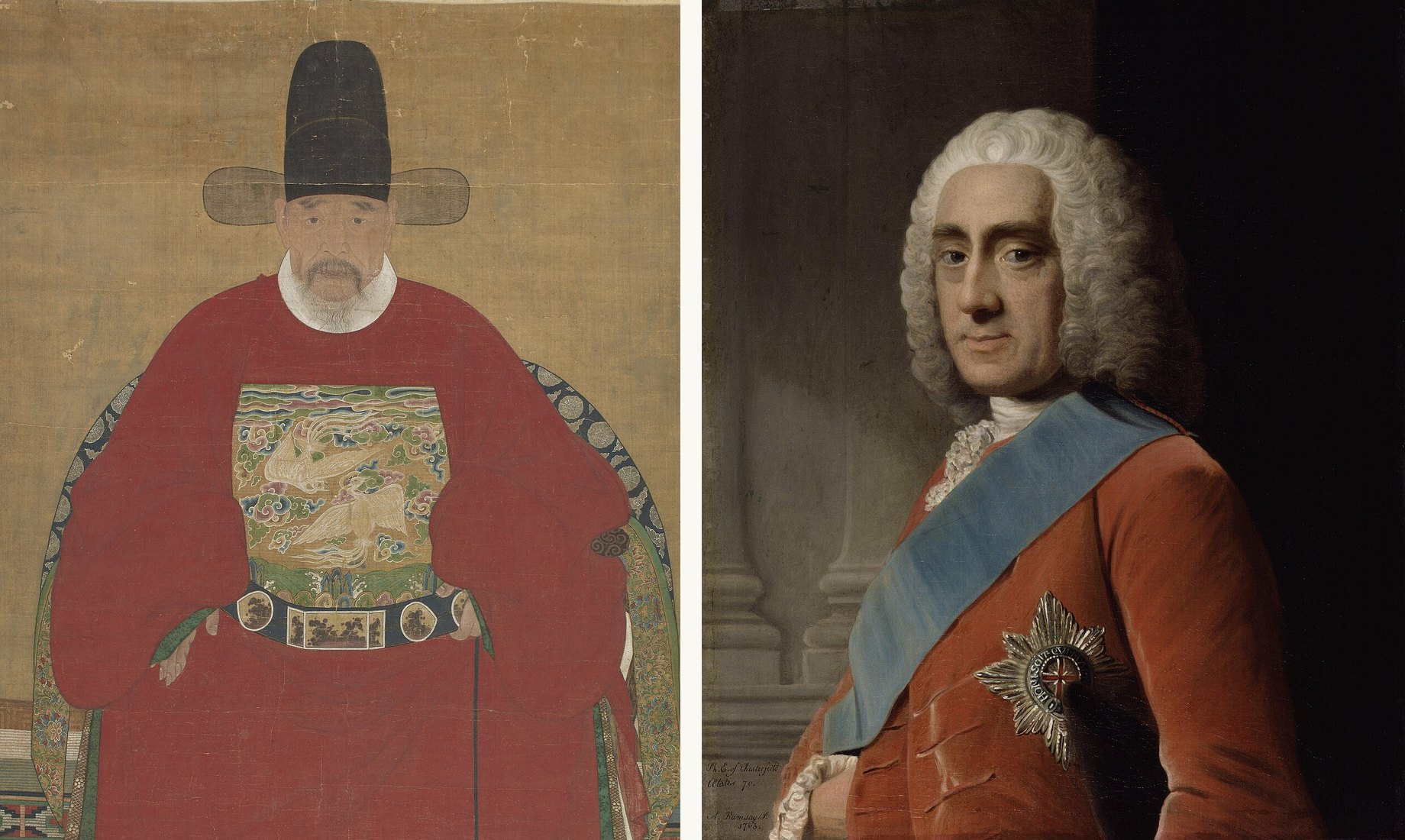
When Adam delved and Eve span, who was then the gentleman?
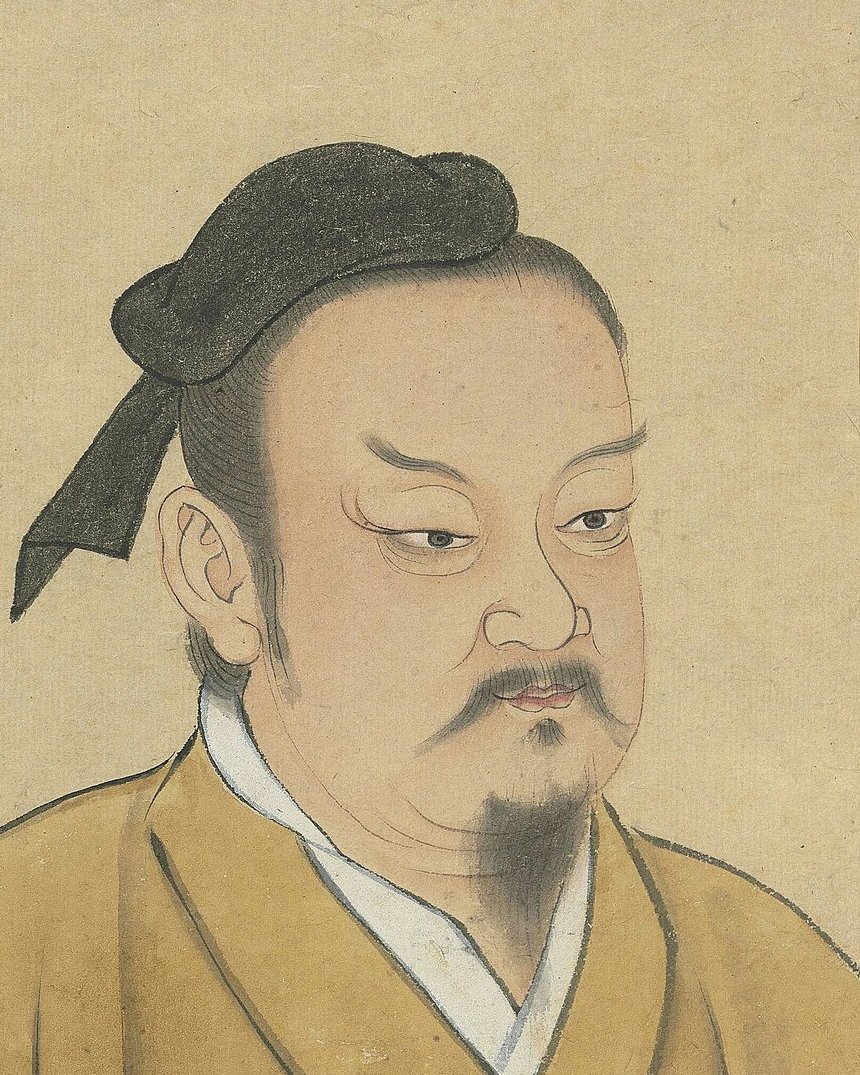
When his disciple Zizhang asked how a man should conduct himself so as to get on in the world, Confucius answered 「言忠信,行篤敬,雖蠻貊之邦行矣」, “let his words be loyal and true and his conduct earnest and respectful, and he will get on even among the barbarians,” and the Analects records what the disciple did with the answer: 「子張書諸紳」, he wrote it on his sash. The sash was the broad girdle of an official’s robe, and the image is exact, since it puts the teaching on the very garment that marked the wearer’s rank, where anyone could read it and anyone might wear it. Within a few centuries the sash had become the name of a class, for 縉紳 (jìnshēn), “those who tuck the court tablet into the sash,” was what the office-holding gentry of imperial China were called, and they were also called 紳士 (shēnshì); and when the translators of Meiji Japan needed a word for the English “gentleman,” it was this one they took.

Guy Ritchie, whose film The Gentlemen and its television sequel are about drug lords and penniless aristocrats who dress the part, described his own suit in 2017 in words that could caption the whole modern figure: “I’m going to wear the suit, but I’m going to own the suit … And thereby, I put on my suit of armor and I come out into the world,” and in the same conversation he recalled that John Boorman’s Excalibur was “the first … knights in shining armour film that ever spoke to me.” Between the sash with a teaching written on it and the suit worn as armour lies the history this essay follows, through three civilizations that each produced a figure English calls a gentleman: the 君子 (jūnzǐ) of China, the samurai whom Japan’s apologists presented to the West as its gentleman, and the English gentleman himself.
In all three the gentleman began as a rank of birth, since 君子 meant “the lord’s son,” the 士 (shì) was the lowest rung of a hereditary aristocracy of warriors, and the English gentil meant well-born, the word for a class that had grown out of the mounted knights, so that all three gentlemen descend from soldiers. In each the moralists then claimed the title for character while letting its holders keep it, so that every tradition says “character” in its classics, secures birth or a credential in its institutions, whether the Chinese gentry’s examination degree, the samurai’s inherited sword or the English gentleman’s land, and spends its anxiety on the middle term, on manners, 禮 (lǐ), decorum and breeding, which were meant to make character visible and could always be worn without it. The three agree on more than they differ, and their sharpest difference lies in what each did with the gentleman’s capacity for violence, since the Chinese gentleman put down the sword, the Japanese kept it, and the English learned to fight by rules, and the courtesy each taught him to show women was a restraint of the same strength. The modern gentleman is the middle term cut loose, a suit that can be handed down, rented with the house or worn to seal a threat, and the argument of this essay can be put in a sentence: the gentleman is a rank that its moralists turned into a virtue, and its imitators into a suit.
The Plough-Ox’s Calf
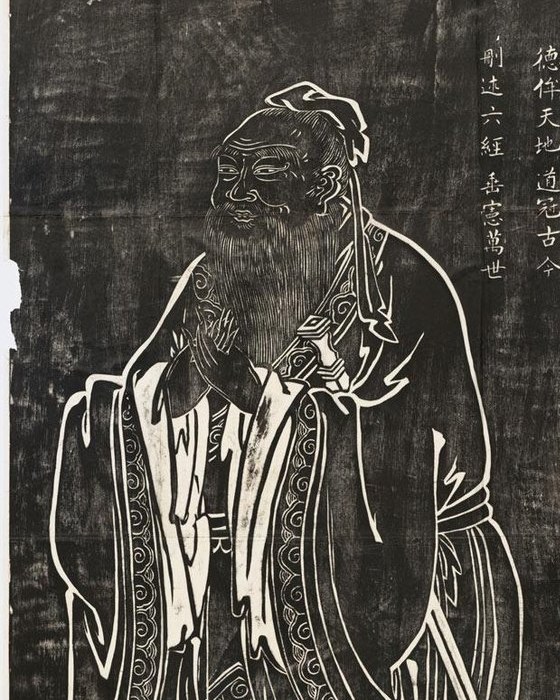
The Chinese word announces its origin, for 君子 is literally “the lord’s son,” and the Analects keeps both of its senses side by side. In some passages 君子 and 小人 (xiǎorén) still mean the rulers and the ruled, as when Confucius tells a minister of Lu that 「君子之德,風;小人之德,草;草上之風,必偃」, “the 德 (dé) of the gentleman is the wind and the 德 of the small man is the grass; when the wind passes over the grass, the grass must bend.” Elsewhere the two senses collide in a single sentence, 「君子而不仁者有矣夫!未有小人而仁者也!」, “there have been gentlemen who were not humane, but never a small man who was,” so that a man may be a 君子 by rank and lack the virtue the word was coming to name. The moral sense wins through images of merit over lineage. Of a disciple whose father was of low standing, Confucius says that the calf of a brindled plough-ox, if it is red and well-horned, will not be refused by the spirits of the hills and rivers, 「犁牛之子,騂且角;雖欲勿用,山川其舍諸?」, and resolve, he says, belongs to the humblest commoner: 「三軍可奪帥也,匹夫不可奪志也」, “an army can be robbed of its commander, but a common man cannot be robbed of his will.”
Confucius did not abolish the hierarchy so much as move it, for 君子 and 小人 remain a vertical pair whose ranking becomes moral: 「君子喻於義,小人喻於利」, “the gentleman understands what is right, the small man what is profitable”; 「君子坦蕩蕩,小人長戚戚」, “the gentleman is easy and composed, the small man always anxious”; 「君子和而不同,小人同而不和」, “the gentleman is in harmony without being the same as others, the small man is the same without being in harmony.” One line makes the gentleman a whole person rather than an instrument, 「君子不器」, “the gentleman is not a vessel,” and with it begins an ideal that Britain would also prize, the generalist who is fit for anything and specialized in nothing. Because the social sense of the word never disappeared, it could always slide back into a class label, and that ambiguity is the whole later history in miniature.
Confucius’s answer to the question of manners and character is that the gentleman needs both, held in balance: 「質勝文則野,文勝質則史。文質彬彬,然後君子。」 “When substance outweighs refinement, the result is boorish; when refinement outweighs substance, the result is a clerk’s polish; only when refinement and substance are balanced is there a gentleman.” When a man of Wei objected that a gentleman needs only substance, one of his disciples answered that a tiger’s hide with the fur stripped off is no different from a dog’s, 「虎豹之鞹,猶犬羊之鞹」, and the discipline that joins the two is ritual, 「克己復禮為仁」, “to master oneself and return to ritual is humaneness,” which Confucius spells out in four prohibitions: look at nothing, listen to nothing, say nothing and do nothing contrary to ritual.
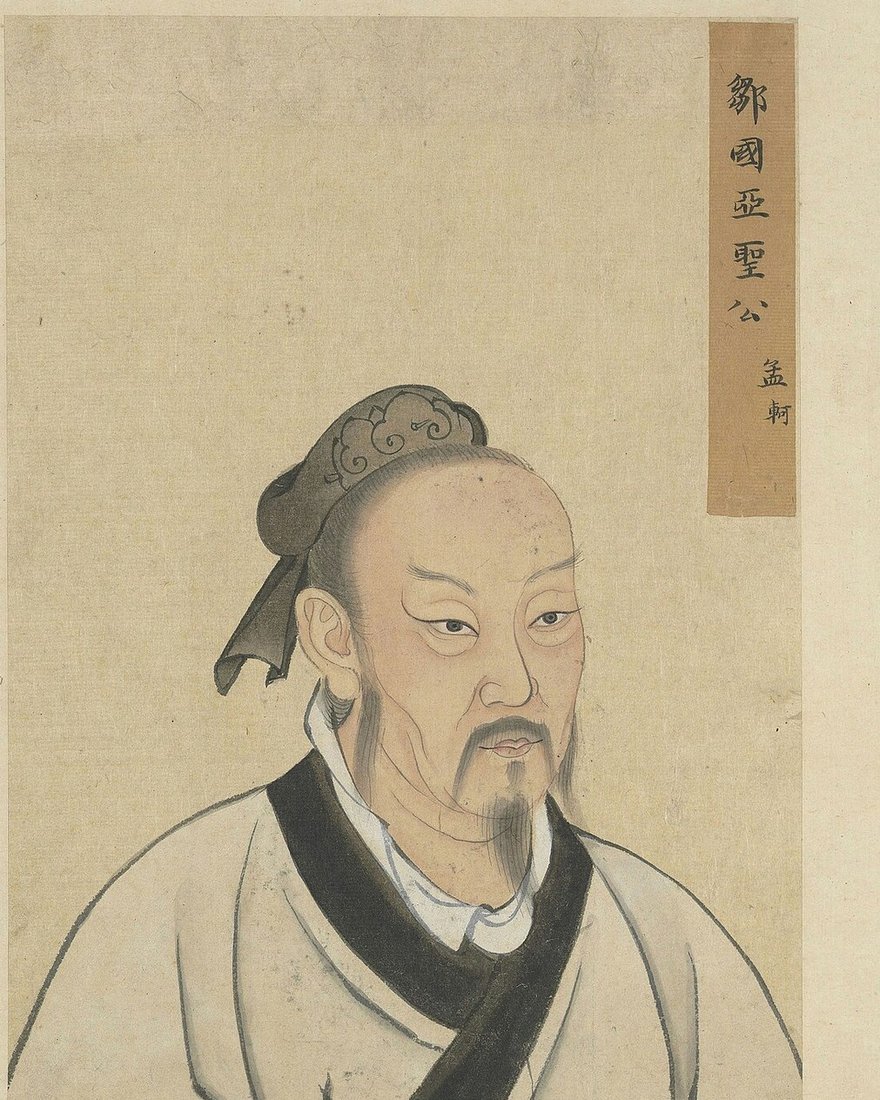
His heirs disagreed about where the gentleman comes from, and Mencius, the first of them, made him inward and refused to let virtue be put on from outside. When a man praised the great diplomats of the day as 大丈夫 (dàzhàngfu), true men, because princes trembled at their anger, Mencius answered that 「以順為正者,妾婦之道也」, “to take compliance for rectitude is the way of a concubine,” and defined the true man as one whom 「富貴不能淫,貧賤不能移,威武不能屈」, “wealth and rank cannot corrupt, poverty cannot move and force cannot bend.” The flood-like vigour he claimed to cultivate is 「集義所生者,非義襲而取之也」, “born of accumulated right action, and not to be seized by a raid of righteousness from outside,” and that clause is the classical objection to the gentleman as a costume.
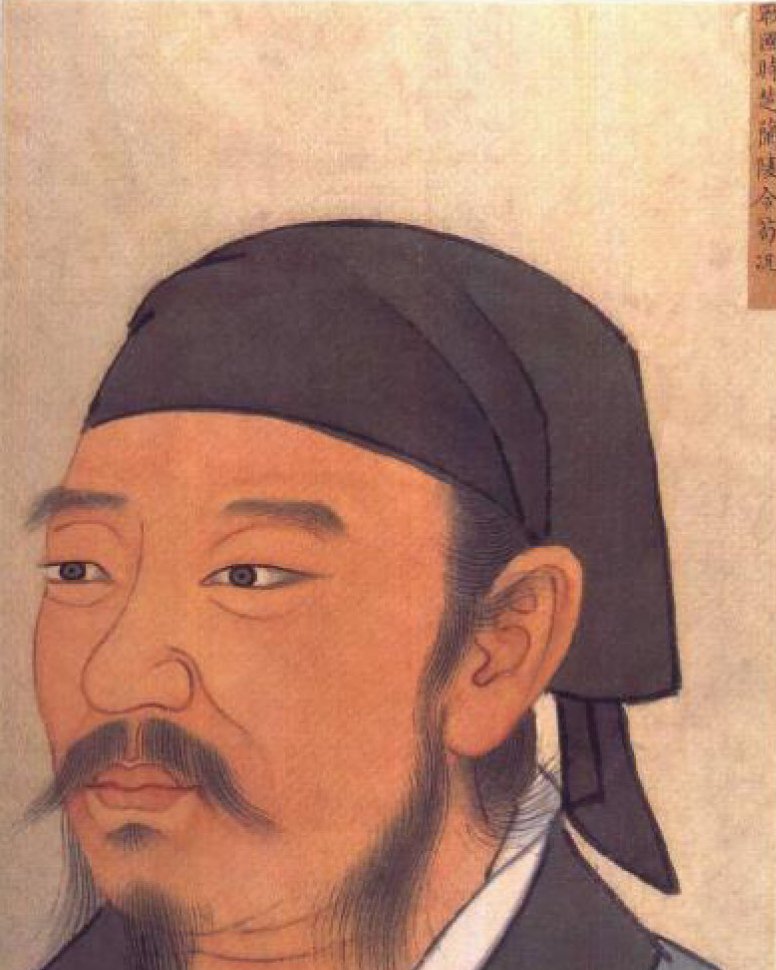
Xunzi, his great opponent, made the gentleman a thing manufactured, beginning from the opposite view of human nature, 「人之性惡,其善者偽也」, “human nature is bad, and its goodness is artifice,” and the old commentary explains the word: 「凡非天性而人作為之者,皆謂之偽」, whatever is not given by nature but made by human effort is called 偽 (wěi). Birth confers nothing, since 「君子之與小人,其性一也」, “the gentleman and the small man are of one nature,” and therefore 「塗之人可以為禹」, “the man in the street can become a sage king.” In later Chinese, 偽 came to mean “fake,” as in 偽君子 (wěi jūnzǐ), the hypocrite, so that the word Xunzi chose for the artifice that makes a gentleman became the word for the counterfeit one.
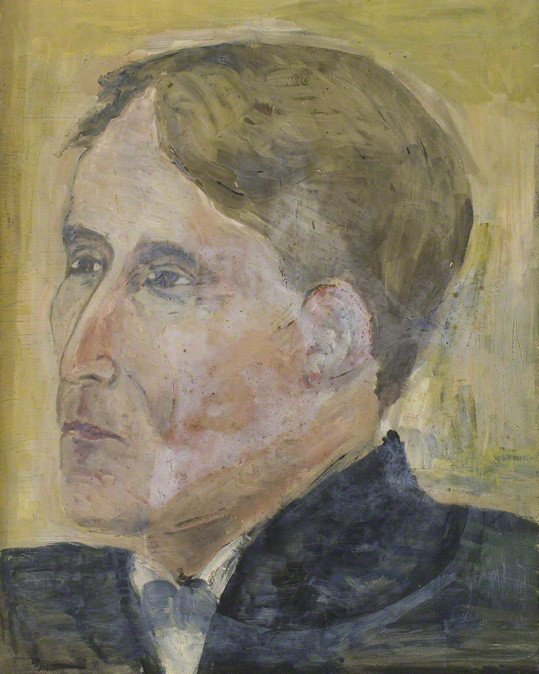
The 士, who would become the scholar-official of later China, began as the lowest stratum of the hereditary aristocracy, and Arthur Waley’s translation of the Analects renders the word “knight.” Confucius turned the rank into a calling, 「士志於道,而恥惡衣惡食者,未足與議也」, “a knight whose heart is set on the Way but who is ashamed of poor clothes and poor food is not worth talking to,” and a disciple kept the soldier’s burden and the soldier’s march: 「士不可以不弘毅,任重而道遠。仁以為己任,不亦重乎;死而後已,不亦遠乎。」, “a knight must be broad and resolute, for his load is heavy and his road is long; humaneness is the load he has taken up, and is that not heavy? Only with death does the road end, and is that not long?” The proverb every Chinese reader knows, 士可殺不可辱 (shì kě shā bù kě rǔ), “a knight may be killed but not shamed,” compresses a line of the Book of Rites whose subject is not the knight but the Confucian scholar, 「儒有可親而不可劫也,可近而不可迫也,可殺而不可辱也」, and the substitution shows how completely the scholar and the knight had merged. Here China and Japan part, for the Chinese 士 became a man of books while keeping the martial vocabulary of resolve and of death before dishonour, and the Japanese 士 stayed a swordsman while taking in the books.
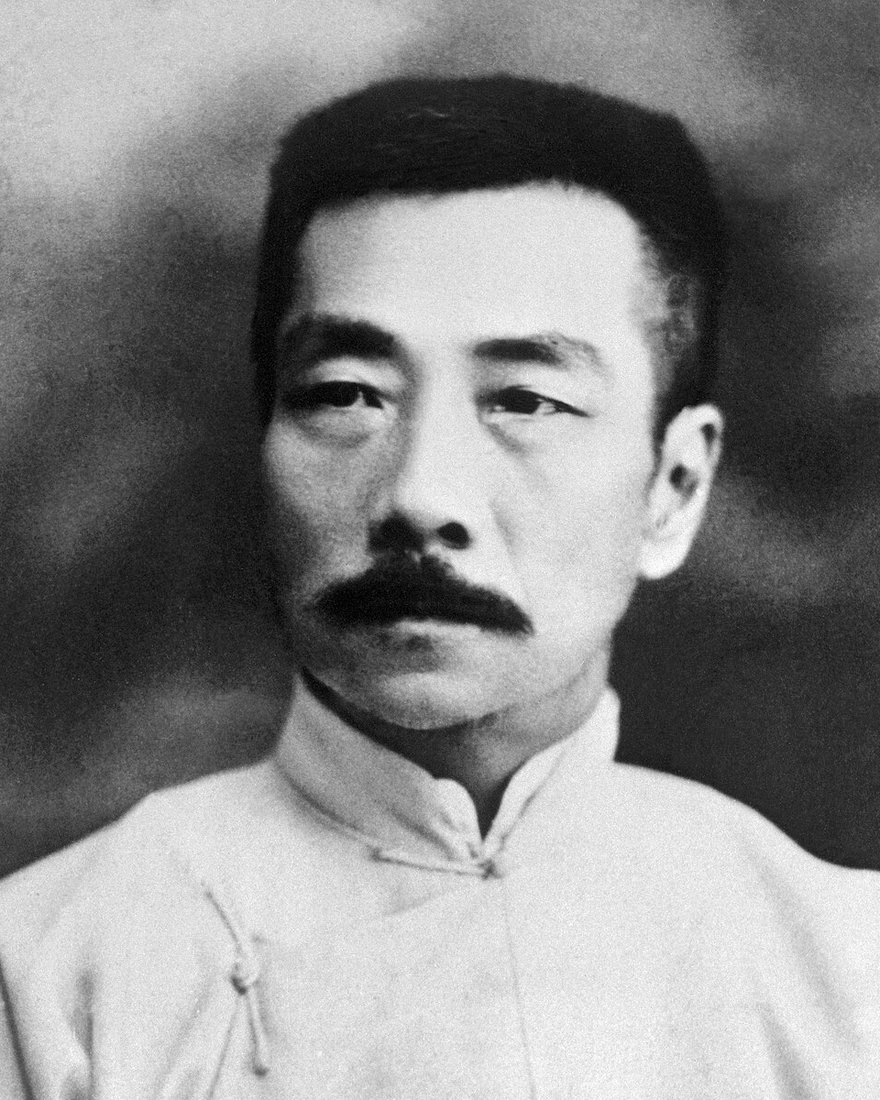
The gentry of the later empire, the 紳士 named for their sash, were examination degree-holders, retired officials and local notables, and since a degree could not be inherited they were far less hereditary than a European nobility; but their claim to be 君子 rested on degrees earned in the 君子’s own canon, so that criticism of them took the form of exposing a counterfeit rather than rejecting the ideal. The Analects names the counterfeit in five characters, 「鄉原,德之賊也」, “the village worthy is the thief of virtue,” and Mencius draws his portrait. The village worthy is 「閹然媚於世也者」, one who furtively courts the world; no one can find fault with him, for he goes 「同乎流俗,合乎污世」, “along with the current and in step with a corrupt age”; everyone likes him, and for that very reason he is dangerous, since Confucius 「惡似而非者……惡紫,恐其亂朱也;惡鄉原,恐其亂德也」, “hated what seems but is not … hated purple lest it be confused with vermilion, and hated the village worthy lest he be confused with virtue.” Lu Xun carried the charge into the twentieth century and folded the imported gentleman into the native one, grouping 「官僚和土紳士或洋紳士」, “bureaucrats and gentlemen, homegrown or foreign,” as a single type, and complaining a year later that 「公理和正義都被『正人君子』拿去了」, “right and justice have all been carried off by the ‘upright gentlemen.’”
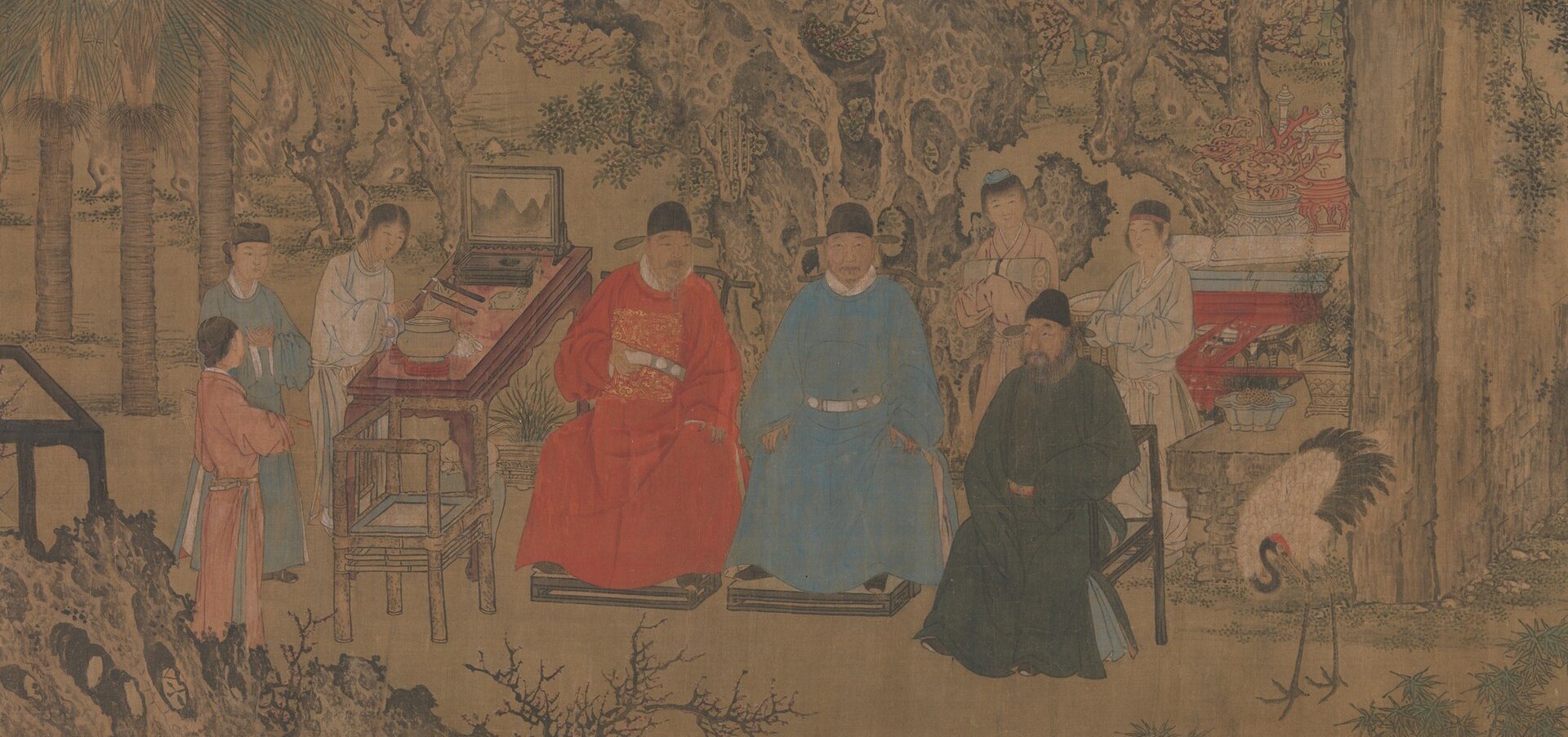
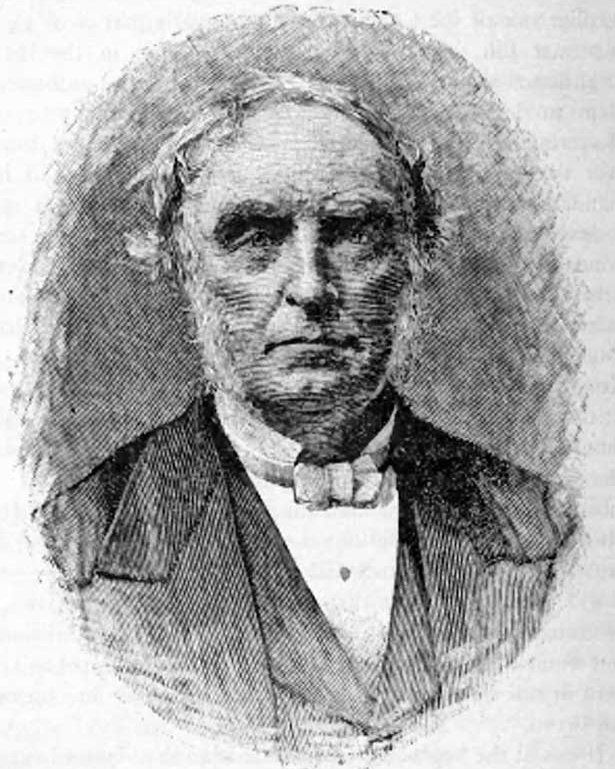
The translators had already staged the comparison this essay makes, each English rendering of 君子 carrying a theory of its own. James Legge, who brought the classics into English, refused the word “gentleman,” since 君子 is “a technical term in Chinese moral writers, for which there is no exact correspondency in English,” and settled on “superior man” “for want of a better term.” Waley chose “gentleman” for exactly the reason Legge avoided it: “One needs a word which primarily signifies superiority of birth, but also implies moral superiority.”
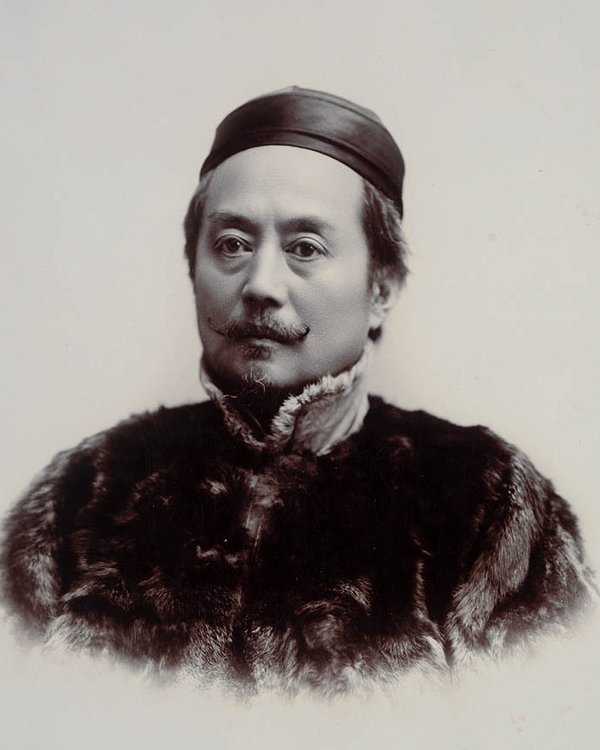
Gu Hongming, the Edinburgh-educated defender of old China, went furthest, writing in 1915 that “the whole system of philosophy and morality taught by Confucius may be summed up in one word: the Law of the Gentleman,” rendering 小人 as “cad,” and in the same book defending concubinage by the tact of “a real gentleman in China,” who “never takes a concubine without the consent of his wife.” Gu and Lu Xun mark the two Chinese answers to the English gentleman, the one by assimilation, holding that China had the gentleman first and purer, and the other by exposure, warning against anyone who called himself 正人君子 (zhèngrén jūnzǐ).
The Sword and the Sash
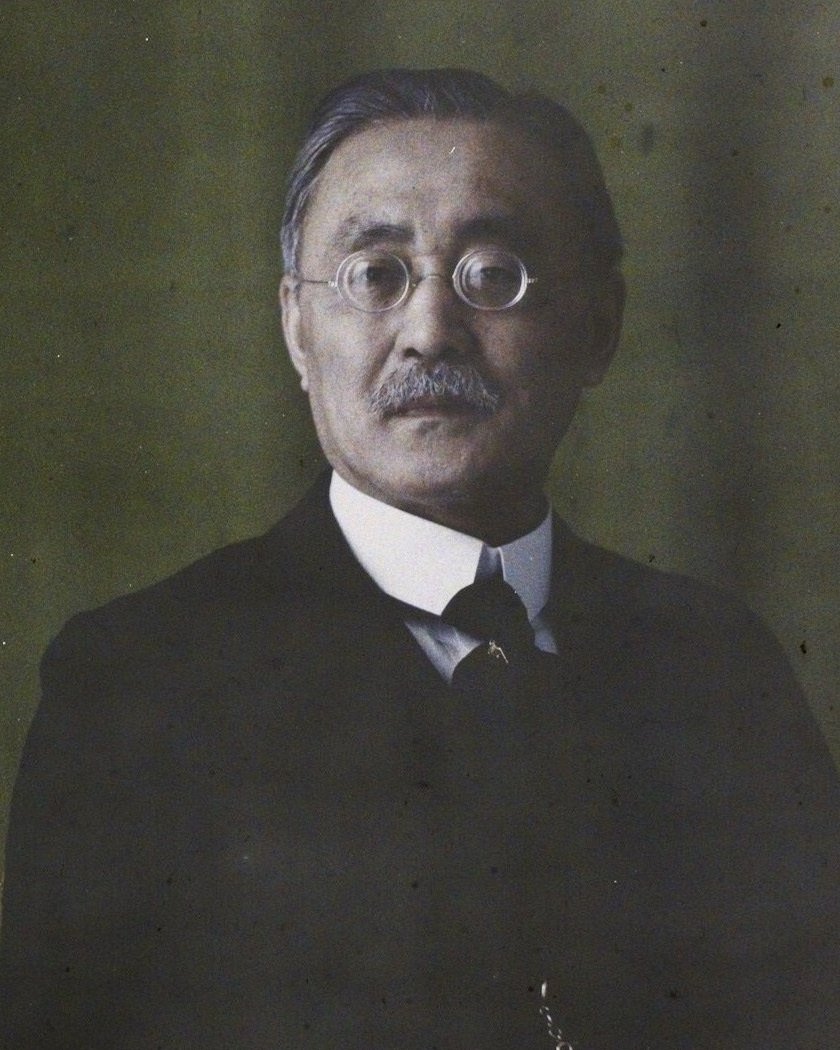
The shared vocabulary hides a shift in what it refers to, for in Chinese 士 evokes the scholar-official, and in Japanese the same character means the samurai. Nitobe Inazō, explaining the word to English readers, glossed it as “like the old English cniht (knecht, knight),” and bushi as “Fighting Knights.” Tokugawa Japan laid the Confucian ideal of the 君子 over a class whose status came from birth and the sword, with no examination to certify it, so that the classics served Japan not as the credential that produced the gentleman but as a moral template laid over a warrior.
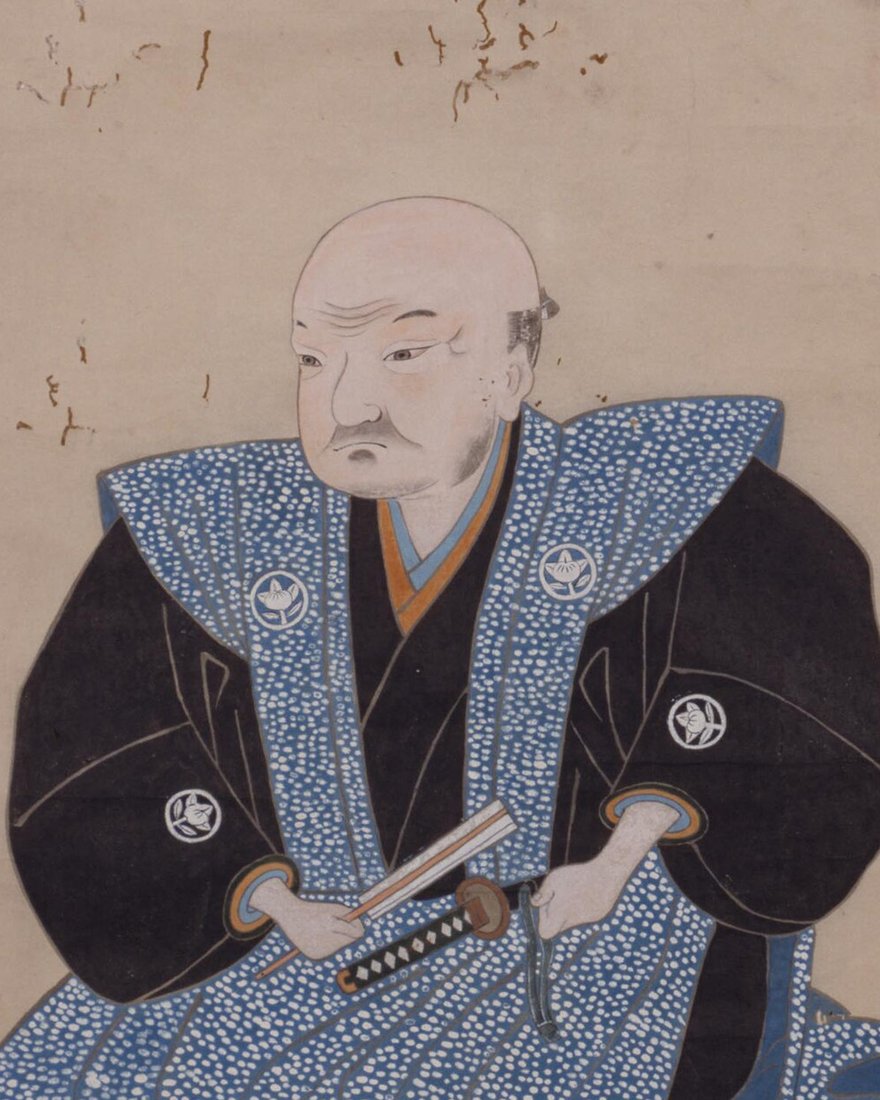
The template was given its most influential form by the seventeenth-century scholar Yamaga Sokō, who found the samurai a job once the wars were over. In the standard English translation of his writings on the way of the samurai, the farmers, artisans and merchants “have no leisure from their occupations, and so they cannot exemplify the Way”; “the samurai dispenses with the business of the farmer, artisan and merchants and confines himself to practicing this Way,” and “should there be someone in the three classes of the common people who transgresses against these moral principles, the samurai summarily punishes him.” Japanese scholars read the name of his teaching as its argument, since he dropped the character 武 (bu), “martial,” from 武士道 (bushidō) and left 士道 (shidō), the samurai as moral teacher of the three commoner classes. The figure is part 君子 and part police, the Confucian wind over the grass with a sword at its belt.
Nitobe’s Bushido: The Soul of Japan, written in English in Pennsylvania in 1899 for Western readers, makes the comparison with European knighthood in its first sentence, “Chivalry is a flower no less indigenous to the soil of Japan than its emblem, the cherry blossom; nor is it a dried-up specimen of an antique virtue preserved in the herbarium of our history,” and glosses bushidō as “the Precepts of Knighthood,” and the comparison with the English gentleman follows at once. Bushidō is “the noblesse oblige of the warrior class,” the gentleman serves as his example of a word that will not translate (“who does not feel the difference between the two words verbally so closely allied as the English gentleman and the French gentilhomme?”), and the code of Rugby School is his measure: Tom Brown’s wish “to leave behind him the name of a fellow who never bullied a little boy or turned his back on a big one” is “the basis on which the greatness of England is largely built, and it will not take us long to discover that Bushido does not stand on a lesser pedestal.” His chapters on the virtues keep the Confucian names and quietly reorder the Chinese priorities. On 禮 he takes the side of character against form, since “Politeness is a poor virtue, if it is actuated only by a fear of offending good taste, whereas it should be the outward manifestation of a sympathetic regard for the feelings of others”; and on learning he turns the Chinese gentleman upside down, for “a typical samurai calls a literary savant a book-smelling sot,” and “an intellectual specialist was considered a machine,” which is 君子不器 said by a swordsman about a scholar.
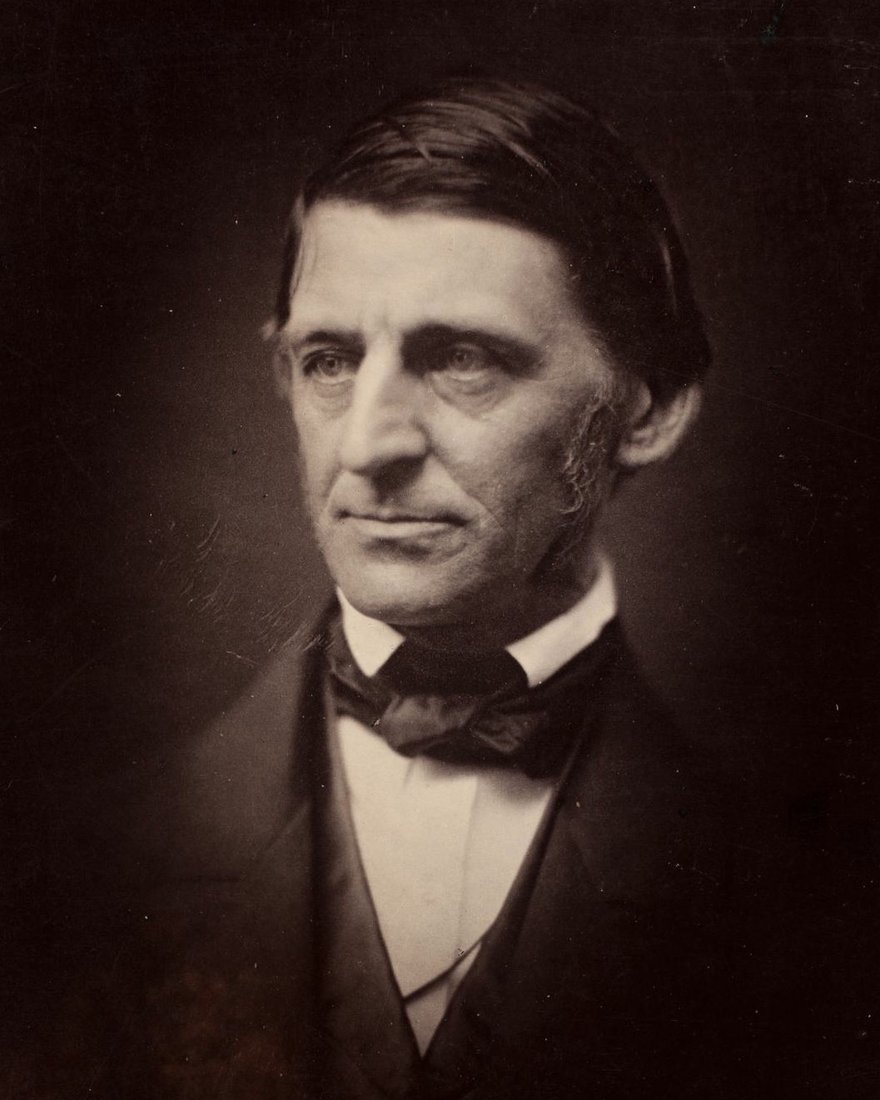
The heart of the book’s argument is in its fifteenth chapter, where Nitobe makes the English gentleman the author of English liberty: “Prate as we may of the triumphant march of Anglo-Saxon liberty, rarely has it received impetus from the masses. Was it not rather the work of the squires and gentlemen?” Nitobe anticipates the democrat’s retort, the old English rhyme “When Adam delved and Eve span, where then was the gentleman?”, and answers it with “All the more pity that a gentleman was not present in Eden!” The samurai, he concludes, “were not only the flower of the nation but its root as well,” and though aloof from the populace “they set a moral standard for them and guided them by their example.” He clinches the point with a sentence from Emerson about English literature, “from Sir Philip Sidney to Sir Walter Scott, paint this figure (gentleman),” and the parenthesis is his own, written into Emerson’s text to make the equation plain. The bushidō he offered the West was filtered through the very ideal he compared it with, and a British scholar of Japan said as much in 1912, calling the accounts of bushidō “fabricated out of whole cloth, chiefly for foreign consumption,” which overstates the case, since the word itself is three centuries older; an earlier essay of mine, on samurai in film, follows that invention in detail. Nitobe closed his book with an epitaph that suits the gentleman too: “It is dead as a system; but it is alive as a virtue.”
When Meiji translators needed a word for “gentleman,” they did not choose 武士 (bushi) or 君子 but the Chinese word for the civil gentry, 紳士, read shinshi, which Japanese dictionaries derive from “men who carry the tablet in the sash” and date as a translation of “gentleman” to around 1879. The earliest uses show the familiar double sense, for the report of the Iwakura Mission in 1877 used it of the notables of London, and a school reader of 1887 for a man of upright, courteous and refined conduct; but in practice the word attached itself to new money, so that prosperous merchants became 紳商 (shinshō), “gentleman-merchants,” a directory of the well-off appeared annually from 1889 as 『日本紳士録』 (Nihon shinshiroku), the Who’s Who of Japanese Gentlemen, and in the end 紳士 became a prefix for menswear, as in 紳士靴 (shinshi-gutsu), men’s shoes. To render the landed and leisured English gentleman, who sat no examination, Japan chose the word for the examined Chinese gentry, while the gentleman ideal that Nitobe sold abroad was a swordsman’s, and the word that began as an official’s sash ended as a category of footwear.
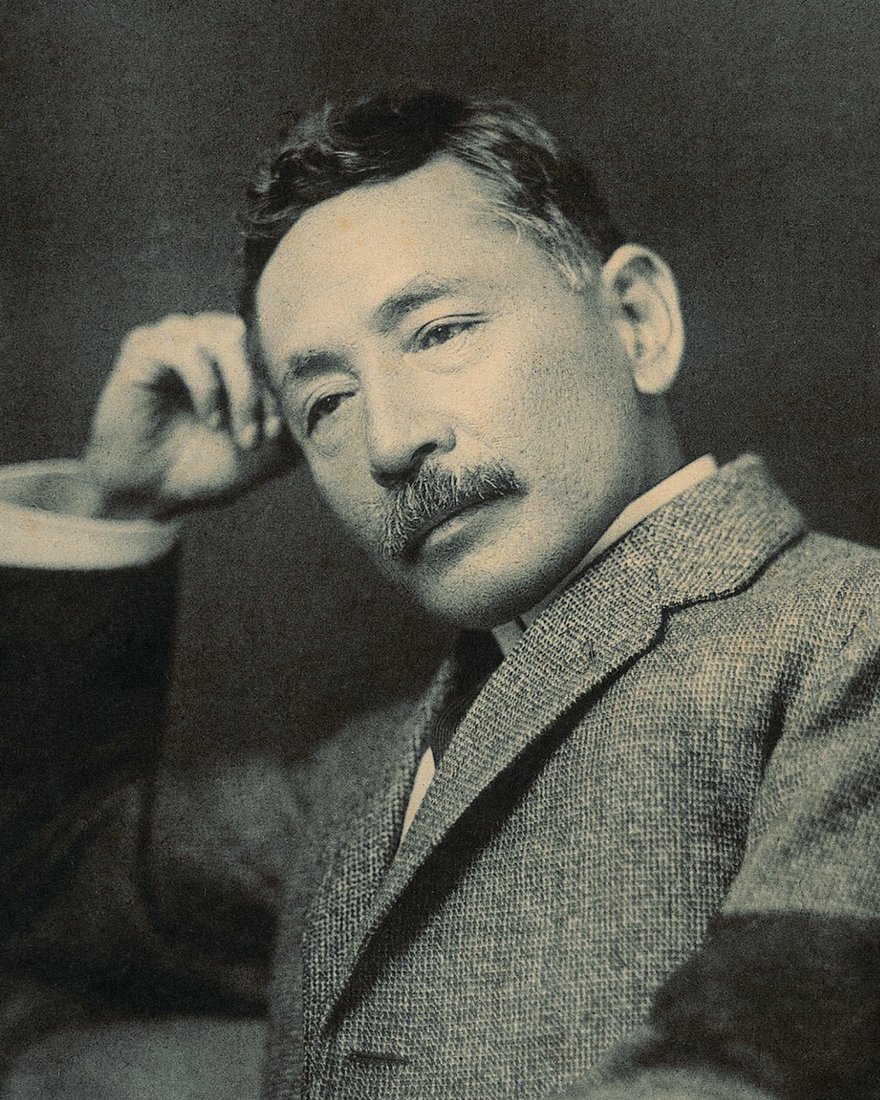
Japan’s most famous meditation on what the English got right never uses the word “gentleman” at all, though it was addressed to the very class that might have claimed it. In 「私の個人主義」, “My Individualism,” a lecture given in 1914 to the sons of the aristocracy at the Peers’ School, the novelist Natsume Sōseki recalls the misery of his years in London and admits that 「実をいうと私は英吉利を好かないのです」, “to tell the truth, I do not like England,” yet he grants that no country loves liberty more and none is more orderly, because behind English liberty there is always the idea of duty, and he quotes Nelson in English, “England expects every man to do his duty.” Then he turns to his audience and tells them that power and money will come to them before they come to anyone else, that power without duty and money without responsibility ought not to exist, and that they must become persons of character, 人格 (jinkaku). The structure is Nitobe’s noblesse oblige, but Sōseki grounds it not in a warrior’s tradition but in the individual’s conscience.
Gentil Dedis
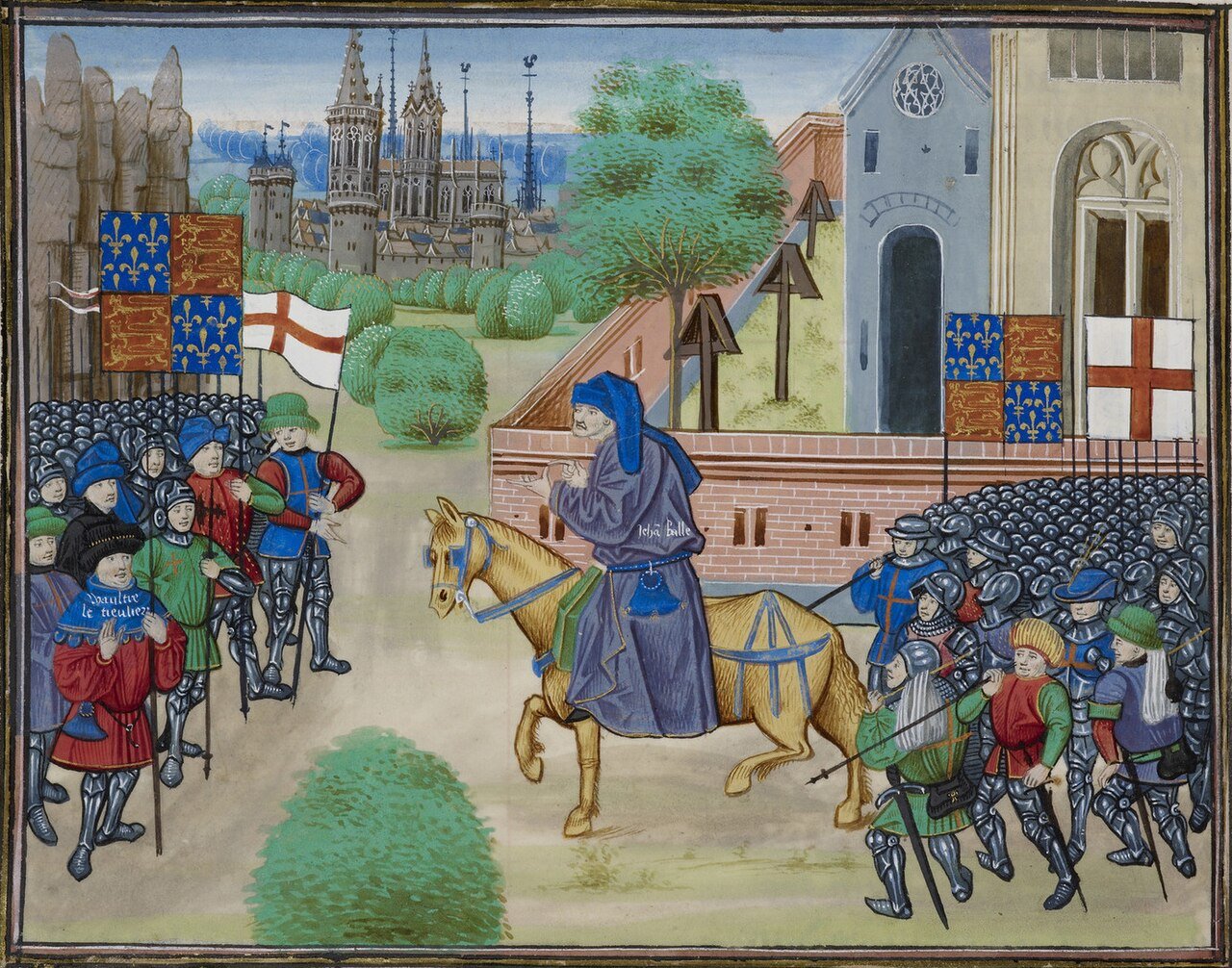
The rhyme at the head of this essay, which Nitobe answered, was already old in England when John Ball took it as the text of a sermon to the rebels of the Peasants’ Revolt at Blackheath in 1381, “Whan Adam dalf, and Eve span, / Wo was thanne a gentilman?”, arguing, as the chronicler of St Albans reports, that all men were created equal by nature and that servitude came from the injustice of wicked men; it was a proverb, not Ball’s own coinage, and a few weeks later Ball was hanged, drawn and quartered at St Albans. The question of whether a gentleman is made by birth was thus put to the English by their own commons, and the moralists had been answering it for centuries.
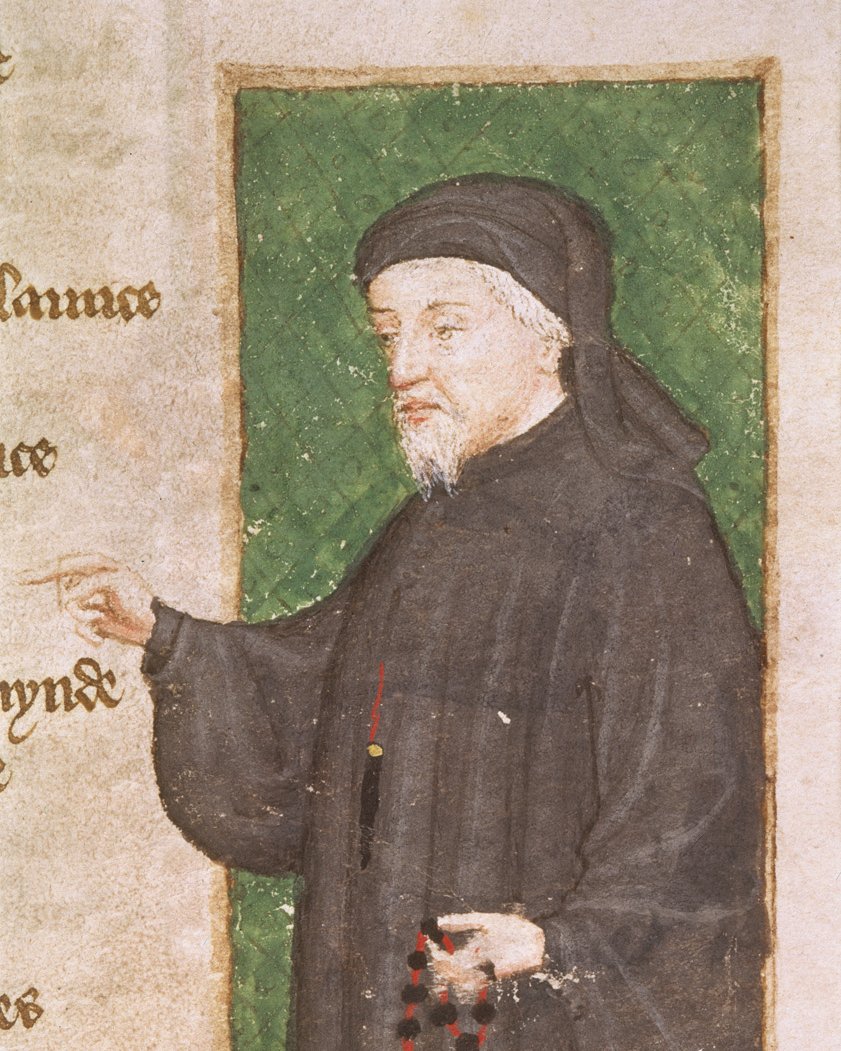
In Chaucer the word gentil still names a rank, but the poetry keeps redefining it as conduct, for the Knight earns his adjective by his speech, “He never yet no vileinye ne sayde / In al his lyf, un-to no maner wight. / He was a verray parfit gentil knight,” and the Wife of Bath’s tale makes the full case against lineage, since gentility descended from old wealth is “nat worth an hen” and “he is gentil that doth gentil dedis.” Within a generation of the poem, after a statute of 1413 required writs to state a defendant’s “estate or degree, or mystery,” the word “gentleman” began to appear in English records as a description of status, the name for the knight’s class once it had settled on the land. The argument was older than Chaucer, for Aristotle had said that birth earns honour only in opinion, since “men who are well-born are thought worthy of honour … but in truth the good man alone is to be honoured,” and that those who have the goods of fortune without virtue “imitate the proud man without being like him.” The motto carved over two of England’s oldest schools, “Manners makyth man,” which tradition credits to their founder William of Wykeham, a yeoman’s son who rose to be Bishop of Winchester, belongs to the same argument, for it was probably an older proverb, and a fifteenth-century warden of his college translated it mores componunt hominem, so that “manners” meant morals before it meant etiquette, and the slide of the word from the one to the other is the history of the English gentleman in miniature.

The slide begins with Castiglione’s Courtier, the Italian handbook that taught the English gentry how to bear themselves. One speaker wants the courtier “to be a Gentleman borne and of a good house,” because nobility of birth is “a clere lampe” that shows deeds good and bad; another replies that “nature hath not these so subtile distinctions”; and the book’s real interest lies elsewhere, in sprezzatura, which its Elizabethan translator rendered as “Recklessness,” the art “to cover art withall, and seeme whatsoever he doth and sayeth to do it wythout pain,” so that “that may be said to be a very art that appeereth not to be art.” Xunzi and Castiglione agree that the gentleman is made, but Xunzi’s artifice remakes the nature underneath it, and Castiglione’s hides the effort of making. Two centuries later Lord Chesterfield, writing to his son, put breeding before everything else, leaving aside “the two much greater points of Religion and Morality” because he could not suspect the boy of failing in either, and insisting that “manners must adorn knowledge, and smooth its way through the world,” since knowledge, like a great rough diamond, “will never be worn or shine if it is not polished.” Samuel Johnson’s verdict on the letters, published after Chesterfield’s death, marked the breaking point between the two meanings of manners, the old one in which manners were morals and the new one in which they were a polish that could be laid over anything: they “teach the morals of a whore, and the manners of a dancing master.”
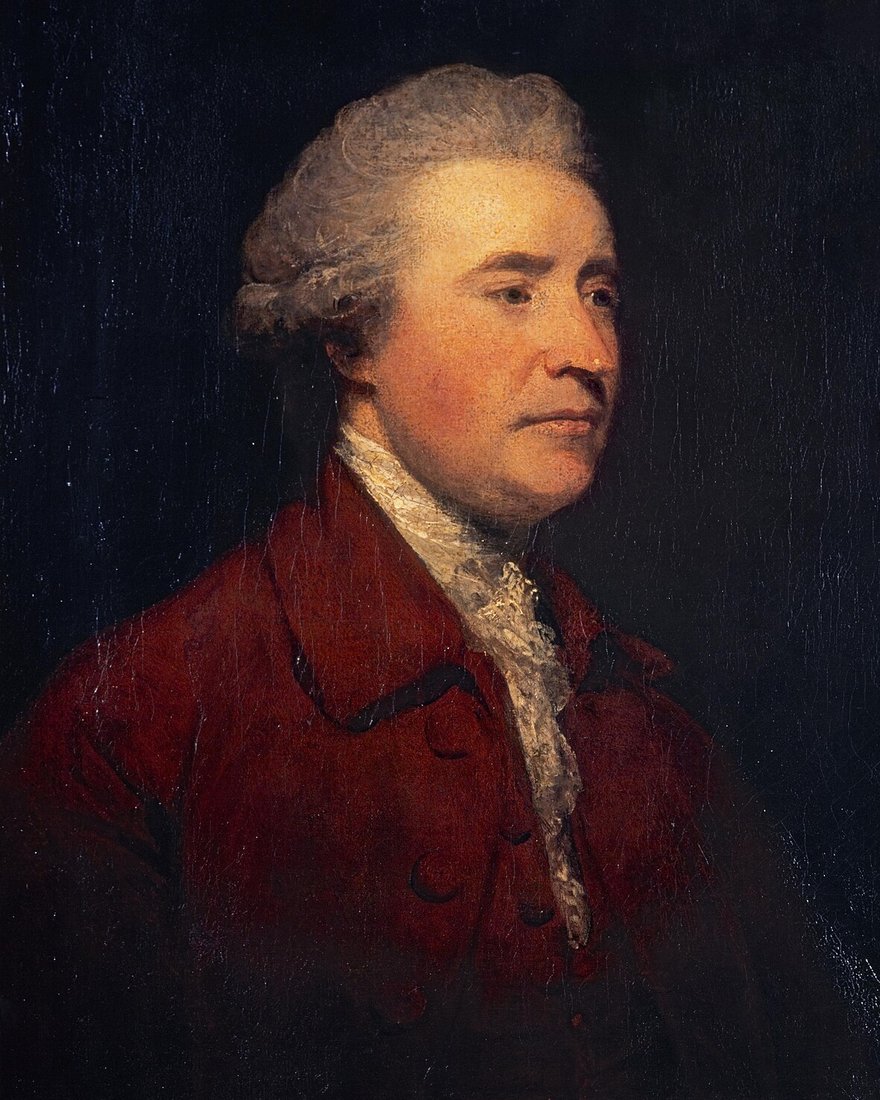
Edmund Burke’s lament for the French queen in 1790 raised the gentleman into a principle of civilization. “But the age of chivalry is gone. That of sophisters, economists, and calculators has succeeded,” and with it went “the unbought grace of life,” a system of manners under which “vice itself lost half its evil by losing all its grossness,” resting, Burke said, on two principles, “the spirit of a gentleman, and the spirit of religion.” Burke’s courtesy, which holds a hierarchy together without abolishing it, is the nearest English thing to Confucian 禮, and it was “in the language of Burke” that Nitobe framed his bushidō.
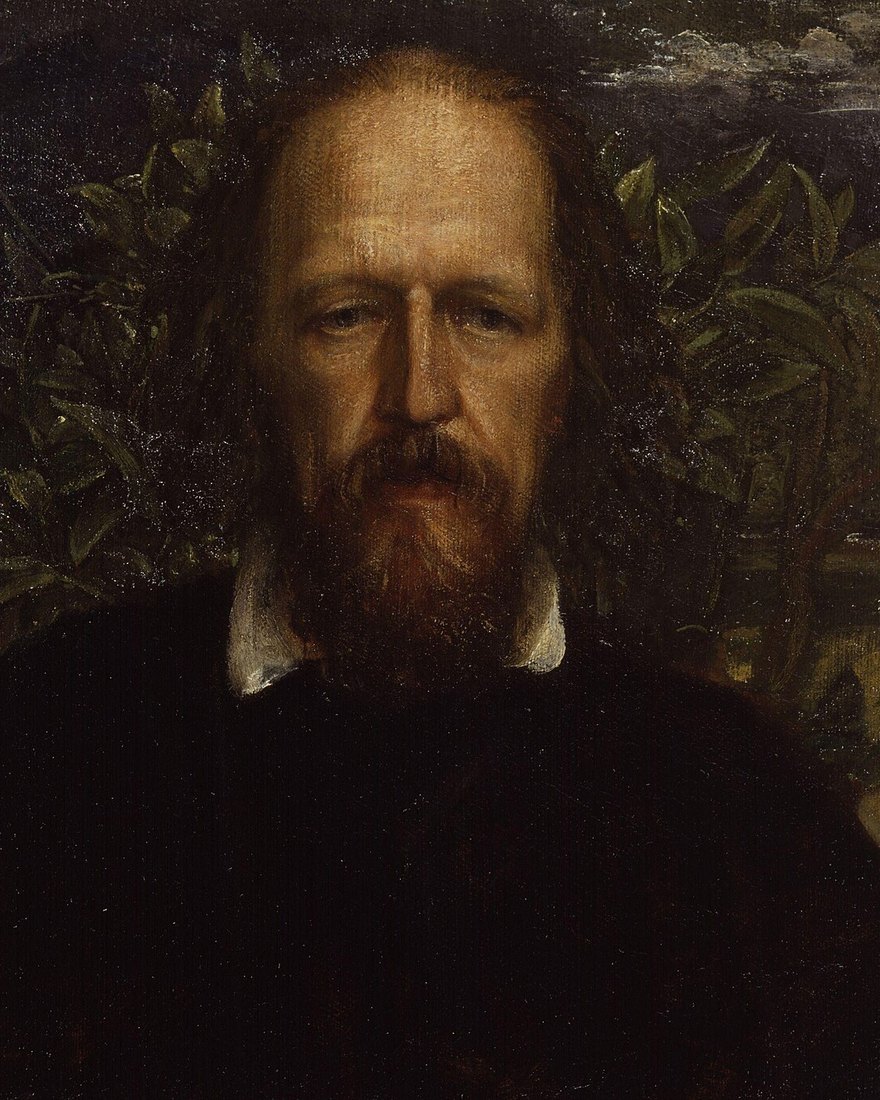
Burke was wrong about the age of chivalry, for the next century brought it back on purpose, and the Victorian gentleman learned to see himself as a modern knight. Kenelm Digby’s The Broad Stone of Honour, subtitled in its early editions Rules for the Gentlemen of England, held that “Chivalry is only a name for that general spirit or state of mind which disposes men to heroic and generous actions”; in 1839 the Earl of Eglinton staged a full medieval tournament in Ayrshire, which the Scottish rain washed out; and Tennyson’s Idylls of the King gave the Round Table its Victorian vows, “To reverence the King, as if he were / Their conscience, and their conscience as their King,” and “To ride abroad redressing human wrongs.” In 1908 Robert Baden-Powell taught the first Boy Scouts that “A knight (or scout) is at all times a gentleman,” and hoped to “revive amongst us, if possible, some of the rules of the knights of old,” “just as the Bushido of the ancient Samurai Knights has done, and is still doing, for Japan.” The English chivalric revival and Nitobe’s bushidō belong to the same decades and the same project, the remaking of an old warrior code as a modern ideal of manhood, and each was quick to recognize the other.
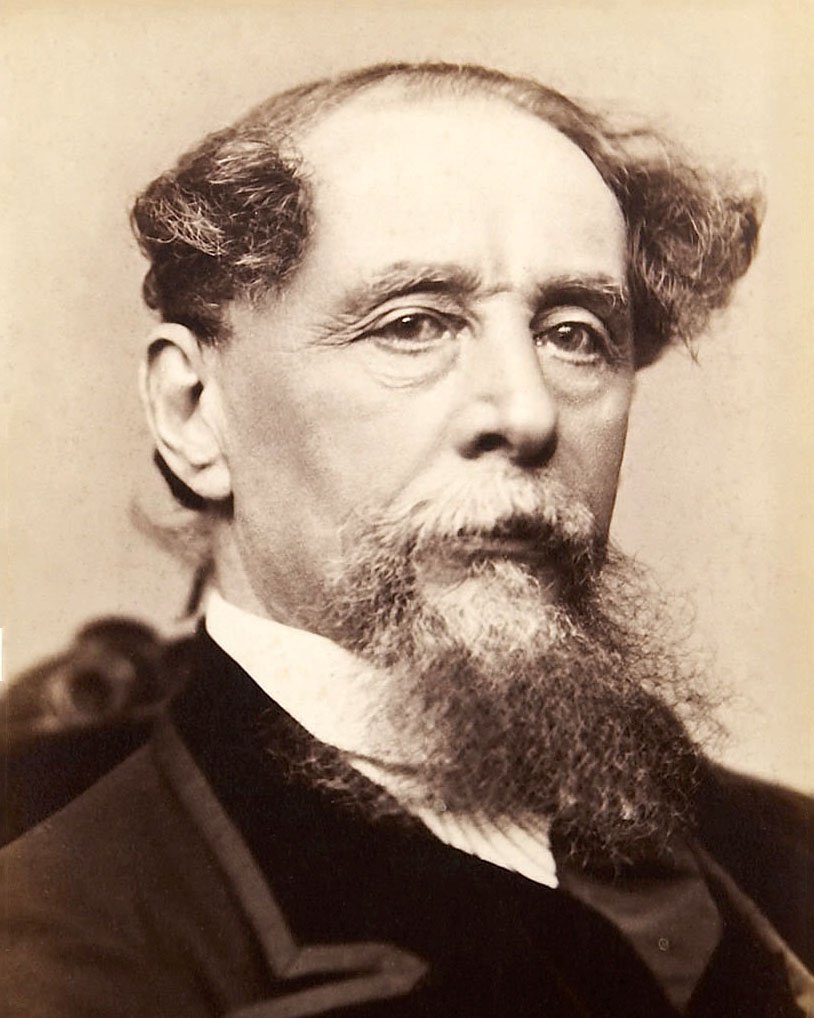
The Victorians also answered Johnson, by making character the cause and manner its effect, and Dickens gave their answer its image. In Great Expectations the convict Magwitch boasts to Pip that “I’ve made a gentleman on you!”, money having made him one in rank, while Herbert Pocket reports his father’s principle “that no man who was not a true gentleman at heart ever was, since the world began, a true gentleman in manner. He says, no varnish can hide the grain of the wood; and that the more varnish you put on, the more the grain will express itself.” Thomas Arnold, the headmaster of Rugby, gave the same order of priority to his sixth form, “1st, religious and moral principles; 2ndly, gentlemanly conduct; 3rdly, intellectual ability,” and in Tom Brown’s Schooldays the father sending his son to the school does not “care a straw for Greek particles, or the digamma”: “If he’ll only turn out a brave, helpful, truth-telling Englishman, and a gentleman, and a Christian, that’s all I want.” The public school was England’s academy for making gentlemen, with intellect ranked last, and it was this school that Nitobe praised.
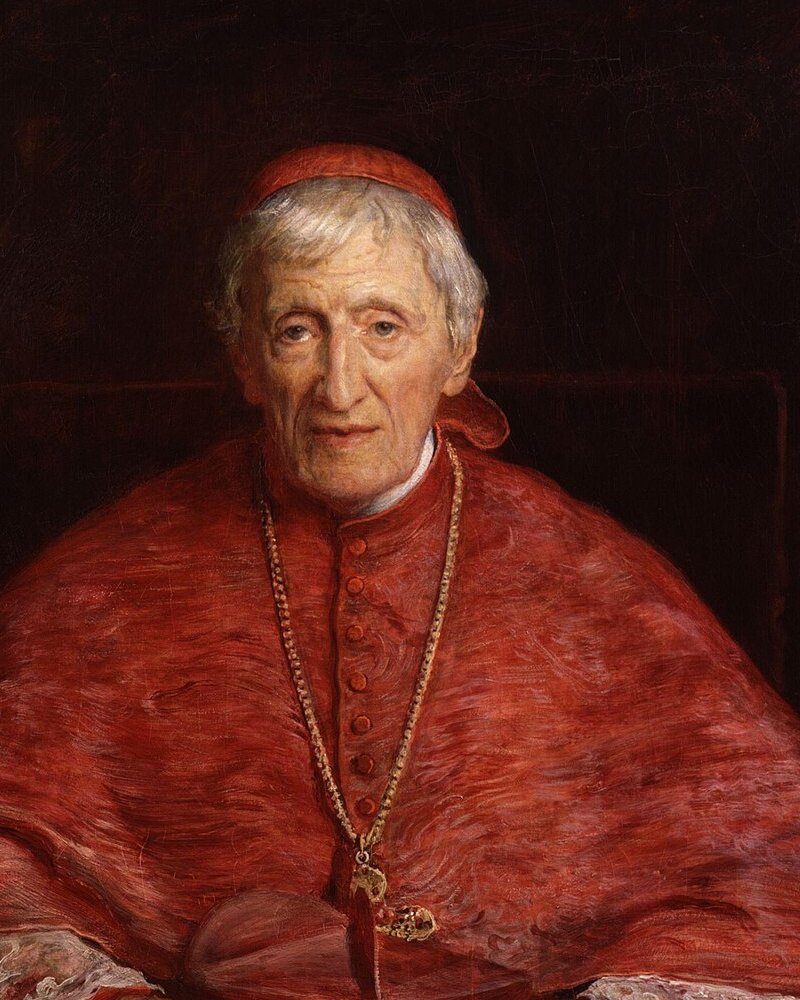
John Henry Newman drew the most famous portrait of the type in 1852 and drew it in order to weigh it. “It is almost a definition of a gentleman to say he is one who never inflicts pain”; his benefits are “like an easy chair or a good fire”; he “makes light of favours while he does them,” and he is “too indolent to bear malice.” But these, Newman says, are the features of a character formed by cultivation “apart from religious principle,” to be found in holy men and in profligate, and a liberal education “makes not the Christian, not the Catholic, but the gentleman,” whose qualities “look like virtue at a distance.” Newman’s gentleman and Mencius’s village worthy are the two great portraits of blameless polish as the most dangerous likeness of virtue, what Confucius called 似而非 (sì ér fēi), seeming and not being, with one difference worth keeping: the village worthy is a conformist who pleases everyone, while Newman’s gentleman need not be a hypocrite at all, and simply has no conscience that his polish can guarantee.
The Gentleman’s Contest
The three traditions differ most sharply in what they did with the gentleman’s capacity for violence, and each found a form in which he could fight without ceasing to be a gentleman. Confucius allowed him a single contest: 「君子無所爭,必也射乎!揖讓而升,下而飲,其爭也君子。」 “The gentleman has nothing to contend for, unless it be in archery; he bows and yields as he goes up to the hall, he comes down and drinks, and even in contending he is a gentleman.” Archery and charioteering were among the six arts in which the old 士 had been trained, and here the warrior’s skill survives as a ceremony, a real competition in which every movement is prescribed and the losers drink the forfeit cup, so that ritual does not abolish rivalry but holds it in a form; and the later Chinese gentleman put even the bow aside for the brush.
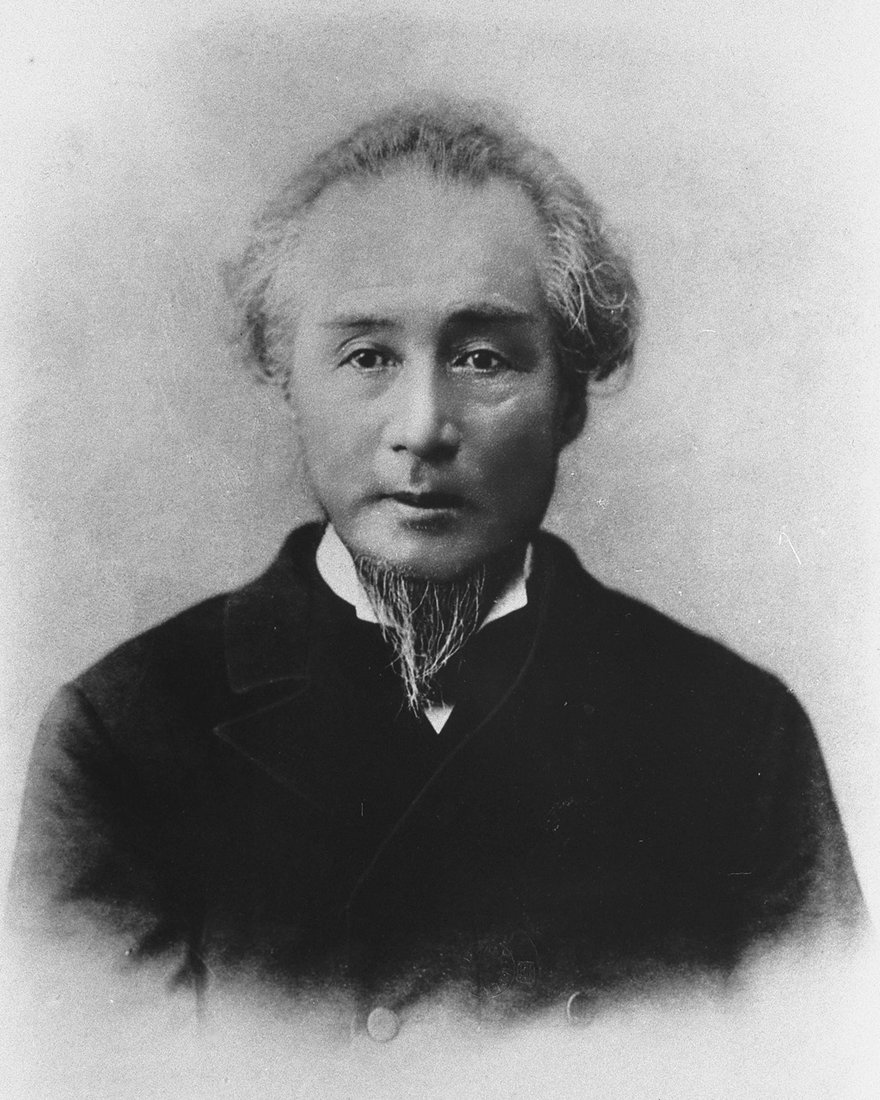
The samurai kept his sword, and Nitobe devoted a chapter to it under the old axiom “which called THE SWORD THE SOUL OF THE SAMURAI, and made it the emblem of power and prowess,” but the chapter turns at once to restraint: “Did Bushido justify the promiscuous use of the weapon? The answer is unequivocally, no! As it laid great stress on its proper use, so did it denounce and abhor its misuse. A dastard or a braggart was he who brandished his weapon on undeserved occasions.” His example is Katsu Kaishū, the statesman who negotiated the bloodless surrender of Edo in 1868, and who recalled that in a season of assassinations “I had the hilt of my sword so tightly fastened to the scabbard that it was hard to draw the blade. I made up my mind that though they cut me, I will not cut.” Nitobe concludes that “the ultimate ideal of knighthood was Peace,” so that the Japanese gentleman’s sword, always worn and seldom drawn, is the opposite of the Chinese gentleman’s empty hand and the same in spirit, a power held back by the man who has it.
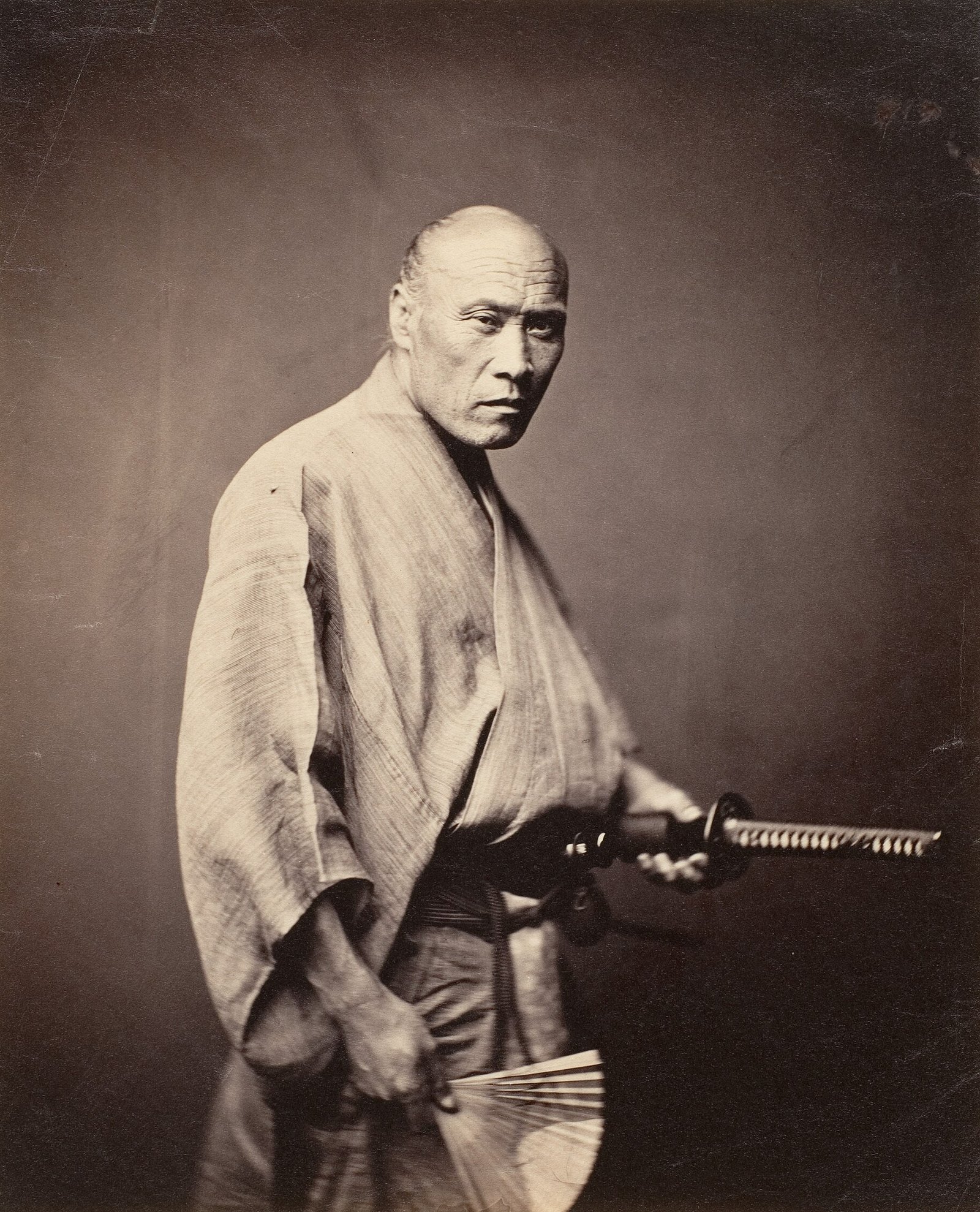
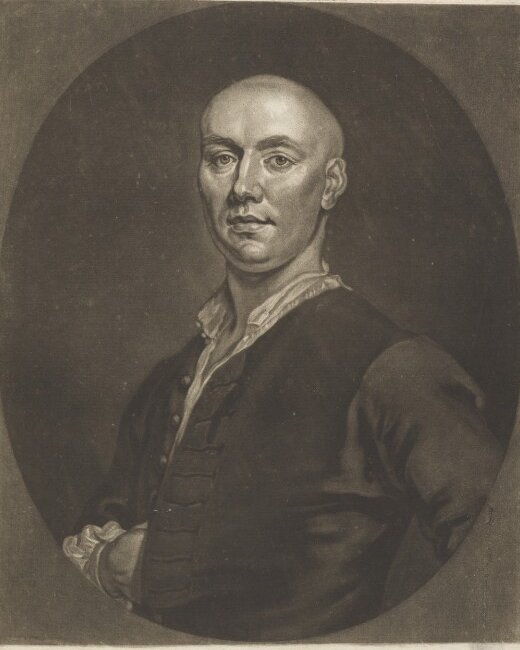
England let the gentleman fight, and wrote the rules under which he did so, for the prize ring of the eighteenth century was a working man’s trade and a gentleman’s pastime, and the first written code of boxing, which the champion Jack Broughton drew up in 1743 “for the better regulation of the amphitheatre,” was “approved of by the Gentlemen, and agreed to by the Pugilists,” with umpires chosen “from among the gentlemen present”; its seventh rule reads, “That no person is to hit his adversary when he is down, or seize him by the ham, the breeches, or any part below the waist: a man on his knees to be reckoned down.” The gentlemen also learned the art themselves, and the most famous of them, Lord Byron, sparred with “Gentleman” John Jackson, the retired champion whose rooms in Bond Street taught the aristocracy to box, and put him in verse: “And men unpractised in exchanging knocks / Must go to Jackson ere they dare to box.” The nickname says what the ring hoped to make of a fighter, a man whose bearing matched that of the patrons who paid him, and it says too what the patrons hoped to take from the ring, a courage that could be learned and kept within rules.
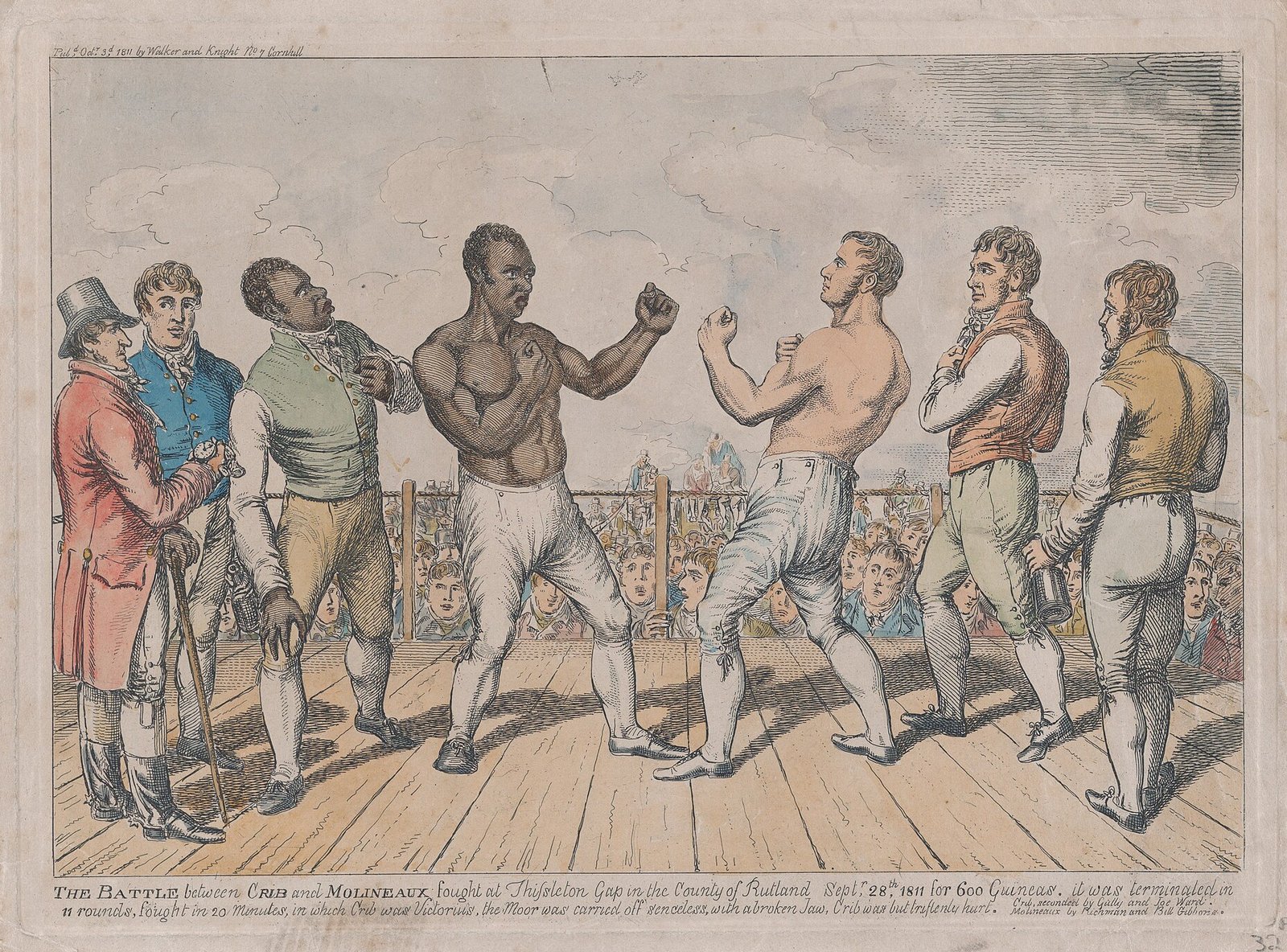
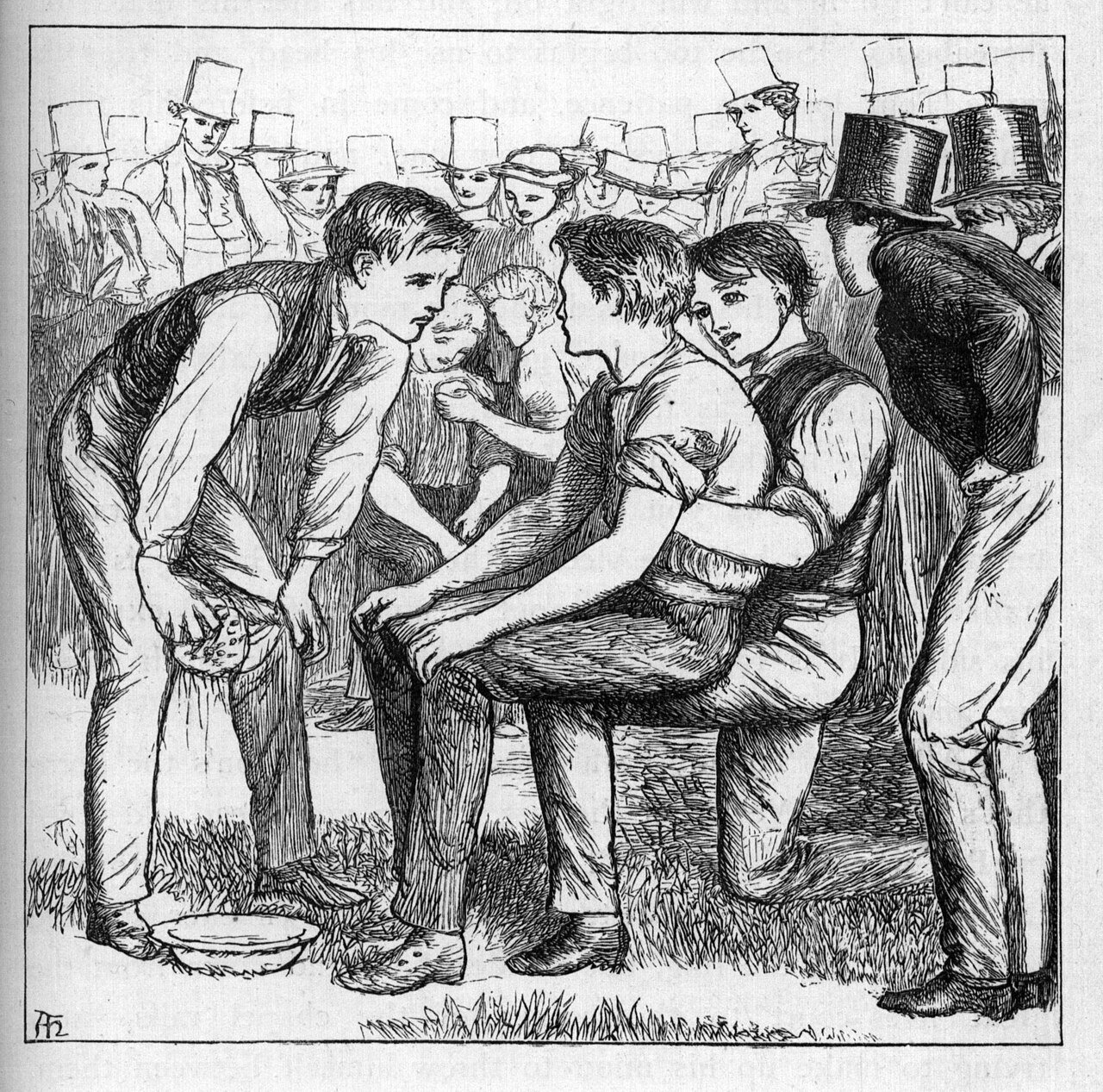
At Rugby, Tom Brown fights the school bully in a chapter Thomas Hughes calls simply “The Fight,” and Hughes defends it in his own voice, “Fighting with fists is the natural and English way for English boys to settle their quarrels,” adding, “Learn to box, then, as you learn to play cricket and football”; the next morning the two boys “shook hands with great satisfaction and mutual respect.” Ten years later a new code drawn up for amateurs and published under the name of the Marquess of Queensberry brought in gloves, three-minute rounds and the count: “If either man fall, through weakness or otherwise, he must get up unassisted; ten seconds to be allowed him to do so, the other man meanwhile to return to his corner.”
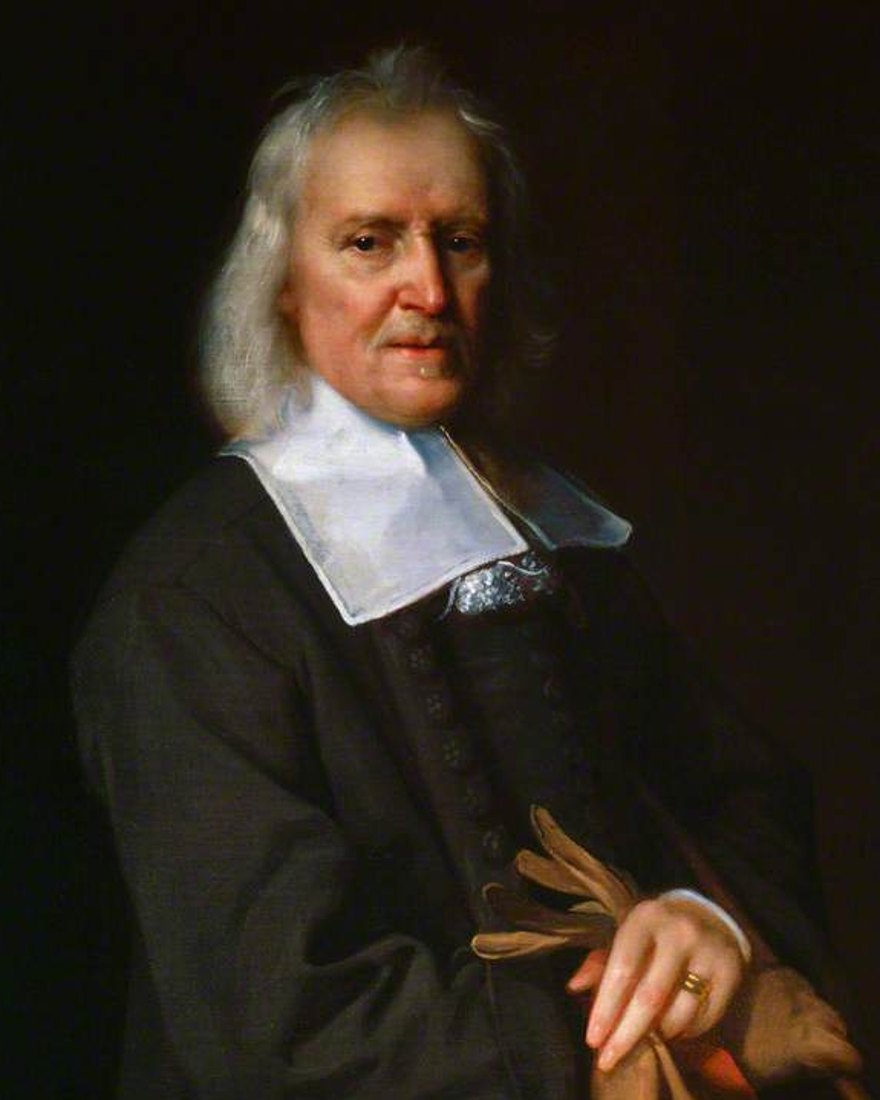
Outside the ring, the gentleman’s oldest contest was not with other men but with animals, and here too the code turned on an advantage refused. The Analects records that 「子釣而不綱,弋不射宿」, “the Master fished with a line but not with a net, and shot at birds with a corded arrow but not at birds asleep on the roost,” and Mencius explained why the gentleman keeps away from the kitchen: 「君子之於禽獸也,見其生,不忍見其死;聞其聲,不忍食其肉。」, “having seen them alive, he cannot bear to see them die; having heard their cries, he cannot bear to eat their flesh.” In England the hunt was a privilege of property, for a statute of 1671 forbade anyone without land worth a hundred pounds a year, or the son and heir of an esquire, to keep the guns, dogs and nets for taking game, and the jurist William Blackstone observed a century later that where “the forest laws established only one mighty hunter throughout the land, the game laws have raised a little Nimrod in every manor.” Izaak Walton offered the gentleman a quieter field in The Compleat Angler, or the Contemplative Man’s Recreation, holding that “God never did make a more calm, quiet, innocent recreation than angling,” and Oscar Wilde had the last word on the noisier one: “The English country gentleman galloping after a fox—the unspeakable in full pursuit of the uneatable.”
On the playing field “gentleman” became an official category, the name of one of two sides in a game. From 1806 until 1962 the annual cricket match between the Gentlemen and the Players set the amateurs against the professionals, and the distinction was abolished only from the season of 1963, while “it’s not cricket” became the English way of saying that something was unfair. Golf went further and made the gentleman his own referee. “Golf is played, for the most part, without the supervision of a referee or umpire,” the old rules said of the spirit of the game; “the game relies on the integrity of the individual to show consideration for other players and to abide by the Rules,” and the present rules still expect players “to recognize when they have breached a Rule and to be honest in applying their own penalties,” which is as near as any sport has come to 「君子求諸己」, the gentleman who looks for faults in himself. The clubs that kept these games were also, for a long time, places where women could not follow, and although the story that “golf” stands for “Gentlemen Only, Ladies Forbidden” is a modern invention, the Honourable Company of Edinburgh Golfers at Muirfield, one of the oldest golf clubs in the world, voted to admit women only in 2017.
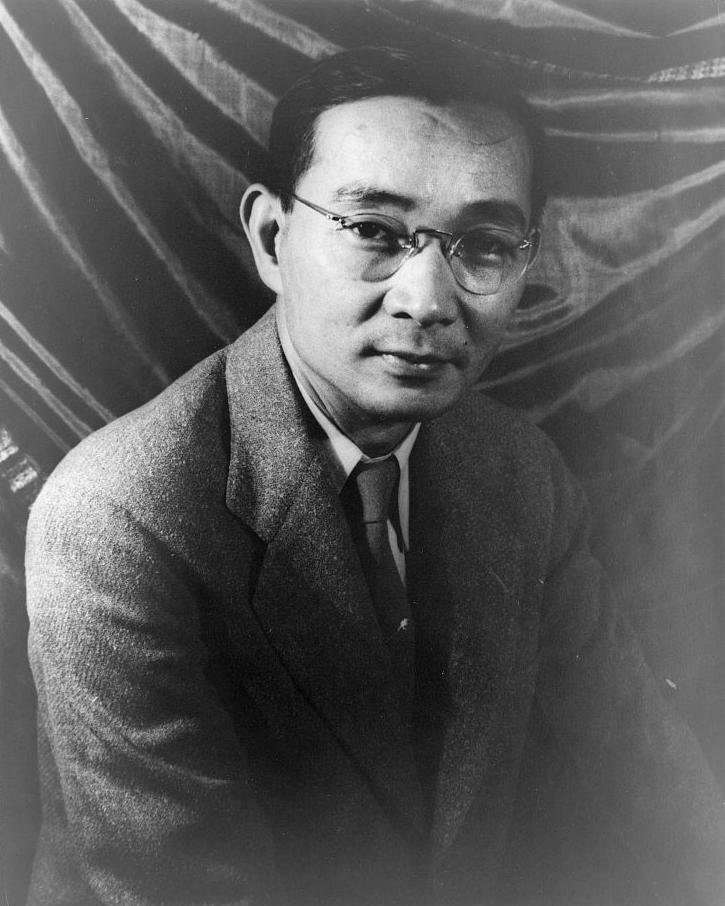
From the ring and the playing field the English took the phrase that became their moral ideal of the gentleman, fair play, and the rule against hitting a man when he is down was its emblem. When the essayist Lin Yutang urged 費厄潑賴 (fèi’è pōlài), “fair play,” on Chinese intellectuals in 1925, glossing it with the maxim that one does not beat a dog that has fallen into the water, Lu Xun answered him in an essay titled 「論『費厄潑賴』應該緩行」, “Fair Play Should Be Deferred.” He accepted the boxer’s rule: 「聽說剛勇的拳師,決不再打那已經倒地的敵手,這實足使我們奉為楷模。但我以為尚須附加一事,即敵手也須是剛勇的鬭士」, “I hear that a brave boxer never strikes an opponent who is already down, and that is a model for us all; but I would add one condition, that the opponent must also be a brave fighter.” A dog that bites was another matter, 「倘是咬人之狗,我覺得都在可打之列,無論牠在岸上或在水中」, “if it is a dog that bites, I think it may be beaten, whether it is on the bank or in the water,” and he recalled how the revolutionaries of 1911, who had prided themselves on not beating dogs in the water, let their enemies climb out and bite them to death. Fair play, he concluded, 「尤其有流弊,甚至於可以變成弱點,反給惡勢力佔便宜」, “has its abuses in particular, and can even become a weakness that hands the advantage to the forces of evil,” and asked whether China should do without it, he answered, 「當然是要的,然而尚早」, “of course we want it, but it is too early.” His objection goes to the root of the gentleman’s code in all three traditions, since the bow and the yielding, the sword tied to its scabbard and the count of ten over a fallen man all presuppose an opponent who keeps the same rules, and a gentleman who extends them to one who does not is no longer playing a game.
Ladies and Gentlemen
The gentleman of every tradition in this essay is a man, and each defined him against women as much as through them. The Book of Songs opens with the pair, 「窈窕淑女,君子好逑」, “the modest and retiring maiden is a fit match for the gentleman,” and the ancient preface reads the poem as a lesson in the right order of husband and wife, 「所以風天下而正夫婦也」; but the Analects puts women beside the small men, 「唯女子與小人為難養也!近之則不孫,遠之則怨」, “women and small men alone are hard to deal with: keep them close and they grow insolent, keep them distant and they resent it,” and Mencius defined the true man against the compliance he called the way of concubines and wives. Gu Hongming, who defended concubinage by the tact of the real Chinese gentleman, explained why the arrangement worked: “The Chinese feminine ideal is, for a wife to live absolutely, selflessly for her husband,” and “it is the selflessness of the wife in China, her sense of duty, the duty of self sacrifice which allows a man in China to have handmaids or concubines.” Lu Xun answered the whole order in 1918, in an essay on the cult of female chastity, 「我之節烈觀」. Chastity, he observed, had once been a virtue for men as well, but now it was demanded of women alone, 「但主張的是男子,上當的是女子」, “it is men who demand it and women who are taken in,” and when a woman was violated, her father, brothers, husband and neighbours, 「夾著文人學士以及道德家」, “with the men of letters and the moralists among them,” gathered not in shame at their own weakness but to debate whether she had died and whether she had been defiled, though 「男子決不能將自己不守的事,向女子特別要求」, “a man can never demand of a woman what he does not keep himself.”
Japan received “ladies and gentlemen” as a pair, for 紳士 entered the language, in the words of a Japanese encyclopedia, as the translation of “gentleman” and 「淑女(レディーlady)の対語」, the counterpart of 淑女 (shukujo), “lady,” and the standing caricature of the Meiji type is the gentlemen and ladies at the balls of the Rokumeikan, the hall the government built in Tokyo to show foreign diplomats that Japan could dance. Nitobe gave women a chapter of their own, and its frankness is unusual. Bushidō, he admits, was “a teaching primarily intended for the masculine sex,” which praised most the women “who emancipated themselves from the frailty of their sex”; its ideal of womanhood was “preeminently domestic,” and “as daughter, woman sacrificed herself for her father, as wife for her husband, and as mother for her son.” He describes a chain of service, “woman, who annihilated herself for man, that he might annihilate himself for the master, that he in turn might obey heaven,” and concedes that “in no class did she experience less freedom than among the samurai,” while dismissing the European knights’ outward respect for “God and the ladies.” The samurai’s wife was not a lady to be protected but a retainer of a retainer, and when her honour was threatened she did not wait for a man to defend it, since “her own weapon lay always in her bosom.”
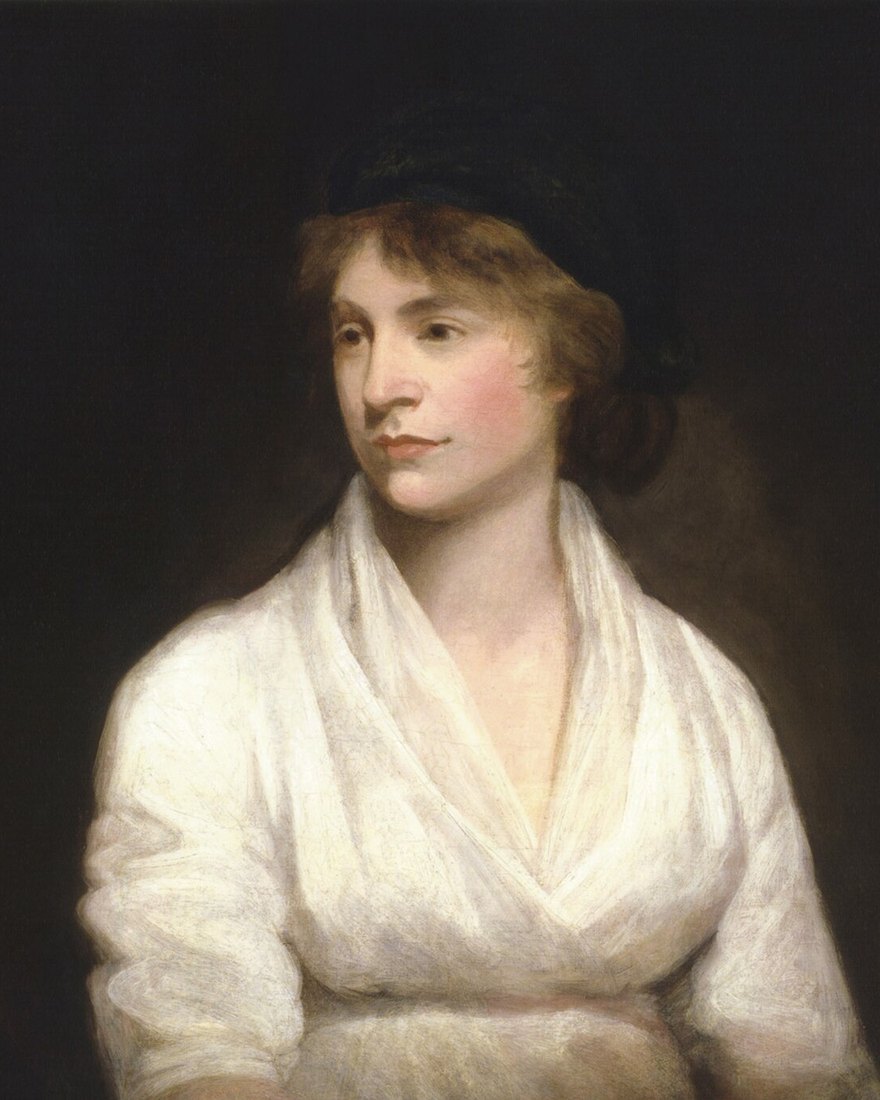
England’s gentleman, by contrast, made women the object of his courtesy, and the most famous defence of that courtesy is the passage of Burke’s already quoted, which is a lament for an insulted queen: “I thought ten thousand swords must have leaped from their scabbards to avenge even a look that threatened her with insult. But the age of chivalry is gone,” and with it “that generous loyalty to rank and sex.” Mary Wollstonecraft answered him within a month, and her reply is the classic case against chivalry. Burke’s taste, she wrote, had taught women “that littleness and weakness are the very essence of beauty,” and she hoped that “love might take place of the gallantry which you, with knightly fealty, venerate.” Two years later, in A Vindication of the Rights of Woman, she went to the root of the gentleman’s courtesy: “I lament that women are systematically degraded by receiving the trivial attentions, which men think it manly to pay to the sex, when, in fact, they are insultingly supporting their own superiority. It is not condescension to bow to an inferior.” What she asked for women was neither the protection nor the reverence of gentlemen: “I do not wish them to have power over men; but over themselves.” Castiglione had already let the women of his court say something like it, for when a gentleman complains that “these women will not understande us,” the lady Emilia Pia tells the men to “speake so that you maye be understoode,” and the courtier who takes the ladies’ side admits that women wish to be men not to be more perfect but “to have libertye, and to be ridd of the rule that men have of their owne authoritie chalenged over them.”

The gentleman’s courtesy toward women and his restraint in the ring rest on the same premise. He is the stronger party who chooses not to use his strength, who will not hit a man when he is down or shoot a bird on its roost, and will open a door for a lady who could have opened it herself, so that his code softens an inequality it also confirms, and the three traditions differ chiefly in how openly they admit it: Confucius and Nitobe without embarrassment, Burke in the language of reverence, and Gu Hongming with the cheerful candour of a man defending concubines. Harvey Mansfield, whose book on manliness defends the quality against its modern critics, states the dependence that all of them share: “the gentleman presupposes manliness — he is a manly man with polish and perfection — and manliness is in question.” The modern gentleman, as the last section will show, keeps the polish and the manliness and lets the question go.
What Dignity Is There in That?

The modern gentleman’s most searching portrait was drawn by a novelist born in Nagasaki and raised in England, who said the mythical English butler seemed “exotic” to him because “I come from a Japanese background.” In Kazuo Ishiguro’s The Remains of the Day the butler Stevens defines dignity as “a butler’s ability not to abandon the professional being he inhabits,” and gives it the image of the gentleman’s own garment: the great butlers “wear their professionalism as a decent gentleman will wear his suit: he will not let ruffians or circumstance tear it off him in the public gaze; he will discard it when, and only when, he wills to do so, and this will invariably be when he is entirely alone.” Asked by a village doctor what dignity is, Stevens answers that “it comes down to not removing one’s clothing in public,” and his greatness is borrowed twice over, since a great butler is one who has served a great gentleman, and his wardrobe is literally second-hand, “a number of splendid suits, kindly passed on to me over the years by Lord Darlington himself.” In the village where his car runs out of petrol the costume works so well that the villagers take him for a gentleman, and one of them supplies the other idea of dignity: “Dignity isn’t just something gentlemen have. Dignity’s something every man and woman in this country can strive for and get.”
The suit has its price, and the novel makes a woman pay it, in two scenes twenty years apart. Stevens remembers standing alone in a back corridor before the closed door of the housekeeper, Miss Kenton, convinced “that behind that very door, just a few yards from me, Miss Kenton was in fact crying,” and the memory stays with him because of what he did not do with it. Twenty years later, married and unhappy, she tells him that there are “extremely desolate occasions – when you think to yourself: ‘What a terrible mistake I’ve made with my life.’ And you get to thinking about a different life, a better life you might have had. For instance, I get to thinking about a life I may have had with you, Mr Stevens,” before concluding that “my rightful place is with my husband.” Stevens answers her with perfect composure, and tells only the reader that “at that moment, my heart was breaking.”
His master is the English gentleman in person, and the novel shows his gentlemanliness turned into an instrument. At a conference in 1923 an American senator calls Darlington “A classic English gentleman. Decent, honest, well-meaning. But his lordship here is an amateur,” and says that “international affairs today are no longer for gentlemen amateurs”; Darlington replies that “what you describe as ‘amateurism’, sir, is what I think most of us here still prefer to call ‘honour’.” Years later his godson diagnoses the same trait: “His lordship is a gentleman. That’s what’s at the root of it. He’s a gentleman, and he fought a war with the Germans, and it’s his instinct to offer generosity and friendship to a defeated foe,” an instinct that has made him “the single most useful pawn Herr Hitler has had in this country.” Darlington is the gentleman who will not hit a man when he is down, and the man he spared was not playing by the rules, which is the case Lu Xun had warned of. Stevens, for his part, holds that “a butler’s duty is to provide good service. It is not to meddle in the great affairs of the nation,” which is exactly the virtue Mencius had called the way of a concubine, compliance taken for rectitude. On a pier at Weymouth, at the end of the book, Stevens reaches the novel’s verdict on dignity as costume: “I can’t even say I made my own mistakes. Really – one has to ask oneself – what dignity is there in that?” Then he puts the suit back on, resolving to practise “bantering” so as to please his new American employer, and Ishiguro said in his Nobel lecture that he had decided, near the end of the story, “I had to make his armour crack.”
Ritchie’s gentlemen wear the same armour and never let it crack, because they know exactly what it is for. In The Gentlemen of 2019 the American Mickey Pearson, “born clever but poor,” hides his cannabis farms beneath the estates of “Toffs, aristocrats, dukes, duchesses, lords and ladies, lots of land and fuck all dough,” so that the land which once qualified an Englishman to keep a gun now pays for its own roof by hiding a crop, and birth survives only as something to rent. Character gives way to sovereignty, in the maxim that “it’s not enough to act like a king. You must be the king,” and the gentleman’s word survives as the grammar of menace, for “A gentleman’s quote is a gentleman’s word” is said by a gangster just before he threatens a docker’s family; only Coach, who runs a boxing gym for local lads, keeps anything of the code of the ring, and says of himself, “I train lads to be good lads. I’m not a fucking gangster.” In the television series of 2024 an American billionaire who wants a duke’s house praises it as the work of an architect whose philosophy had “something to do with the reconciliation of the feral with the refined,” and calls it “a testament to the synthesis of this culture. Refinement with aggression.” Confucius had used 野 (yě), the feral or rustic, for a failure, the boorishness of substance without refinement, though he was never simply against it, for he said of those who took up ritual and music that 「先進於禮樂,野人也;後進於禮樂,君子也。如用之,則吾從先進」, “the first to come were rustics and the latecomers were gentlemen, and if I had to choose, I would follow the first.” What he valued in the rustic was an honest substance still waiting for its refinement, and what the billionaire prizes is the reverse, a refinement whose purpose is to advertise the beast beneath it: “There’s nothing wrong with conformity, as long as you know you’re conforming,” he tells his tailor, since he is “in fact, a wolf… in sheep’s clothing.” His butler, the subtitles reveal, is named Stevens.


Ishiguro’s butler wears the suit without knowing he is conforming, and his armour cracks when he sees what he has served; Ritchie’s men wear it knowing exactly what they are doing, and it holds. Both keep the outward form of the gentleman, the polished manners and the strength held in reserve, and let go of what the three traditions, for all their differences, had asked that form to carry, which was a self able to judge in its own name: Mencius’s true man whom force cannot bend, the samurai who answers for the Way, the knight whose load ends only with death, and the gentleman whose grain shows through the varnish. The soldiers from whom all three gentlemen descend were taught to hold their strength back, before an opponent who was down, a bird asleep on its roost or a woman who could have opened the door herself, and the holding back was meant to be the visible form of a character; the modern gentleman keeps the gesture and has forgotten what it was meant to show, as Stevens kept his composure outside Miss Kenton’s door. Zizhang wrote his teacher’s words on his sash so that he would see them whenever he looked down, and the modern gentleman has kept the sash and lost the writing.