Tagged
Masculinity
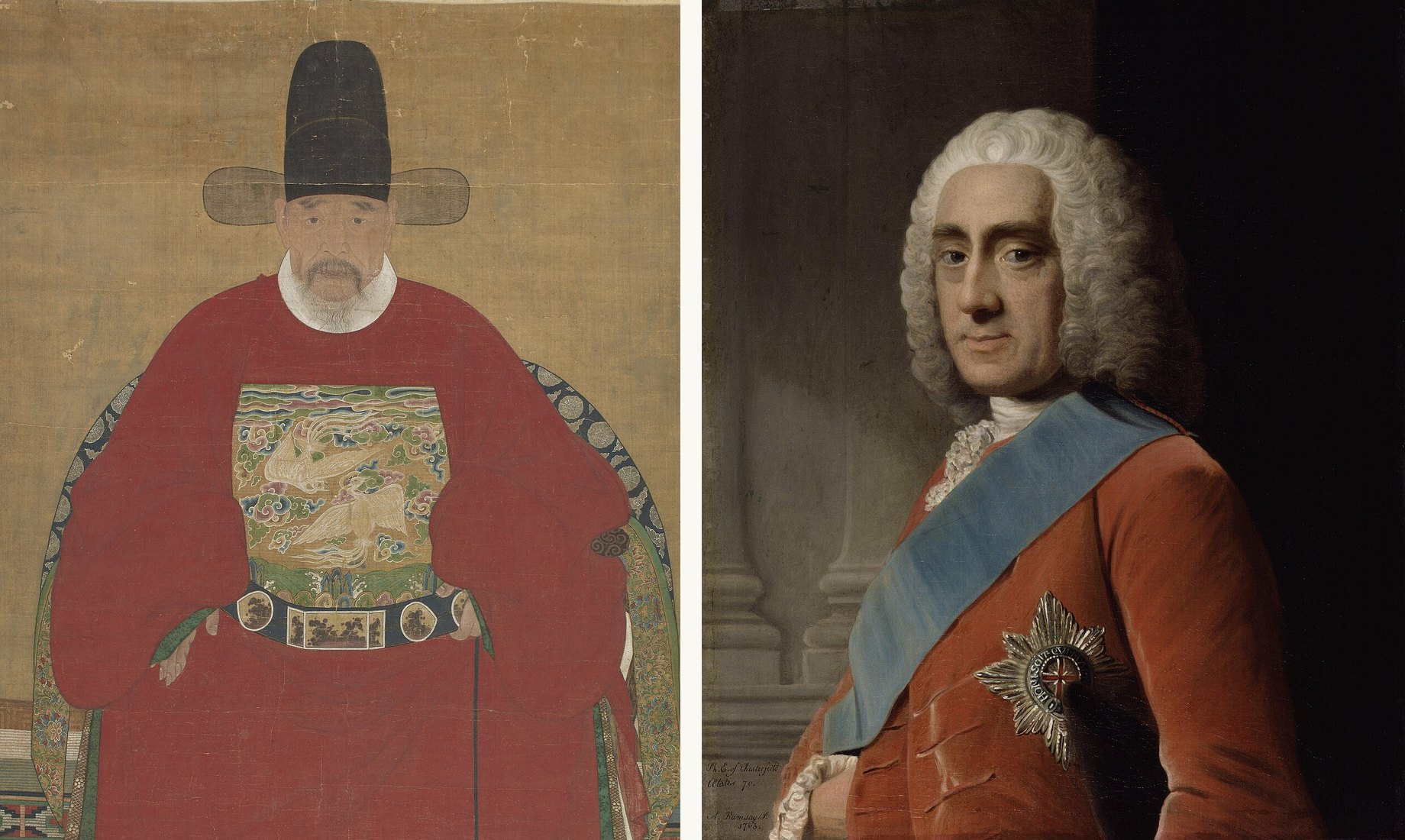
The Sash and the SuitChina's junzi, Japan's samurai and the English gentleman all began as ranks of birth that moralists claimed for character, and all three traditions spent their anxiety on the manners meant to make that character visible. The modern gentleman is those manners cut loose: a suit that can be handed down, rented with the house, or worn to seal a threat.
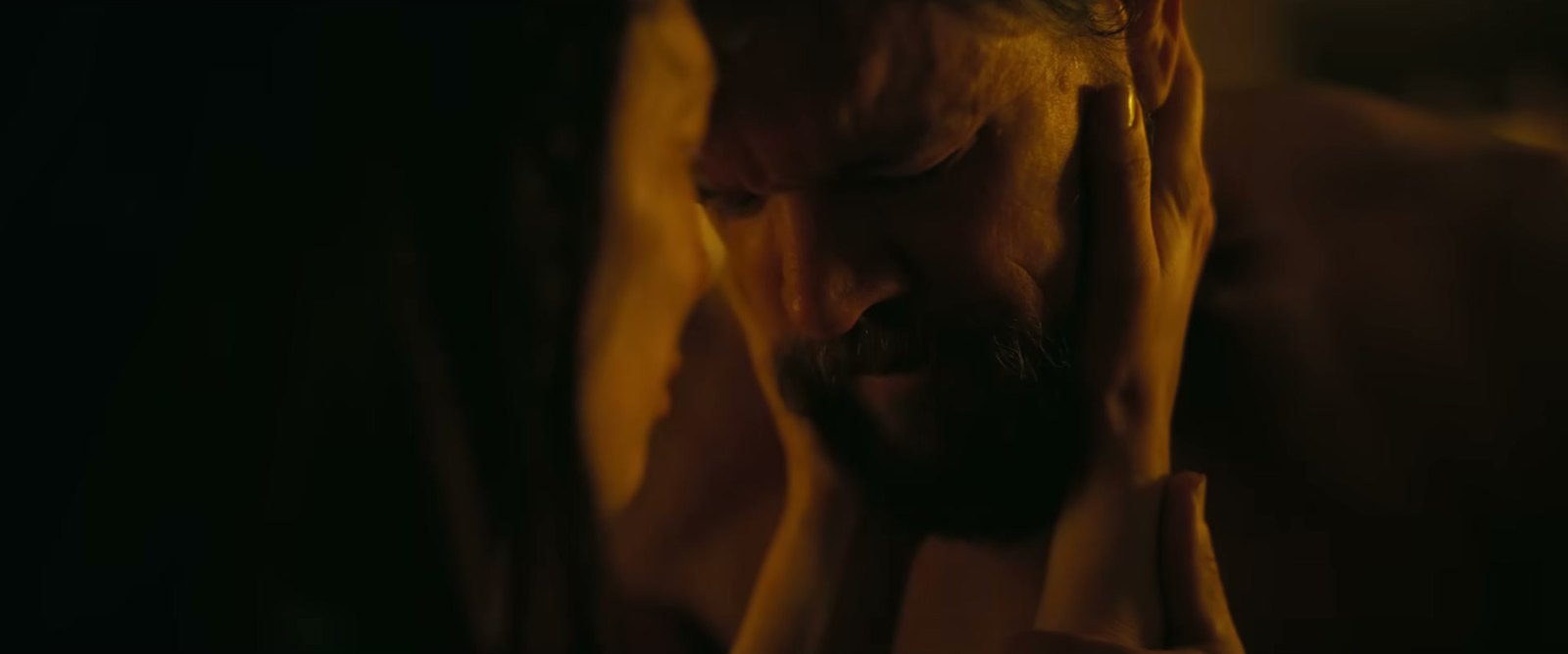
 The Strong, Silent TypeOdysseus and Machiavelli's prince use silence as a lever, a strategy kept for enemies and rivals. The screen's strong, silent man makes it his default way of feeling instead, a performance that always needs someone to watch it, which is why the camera suits him and why self-help can sell his calm back to men.
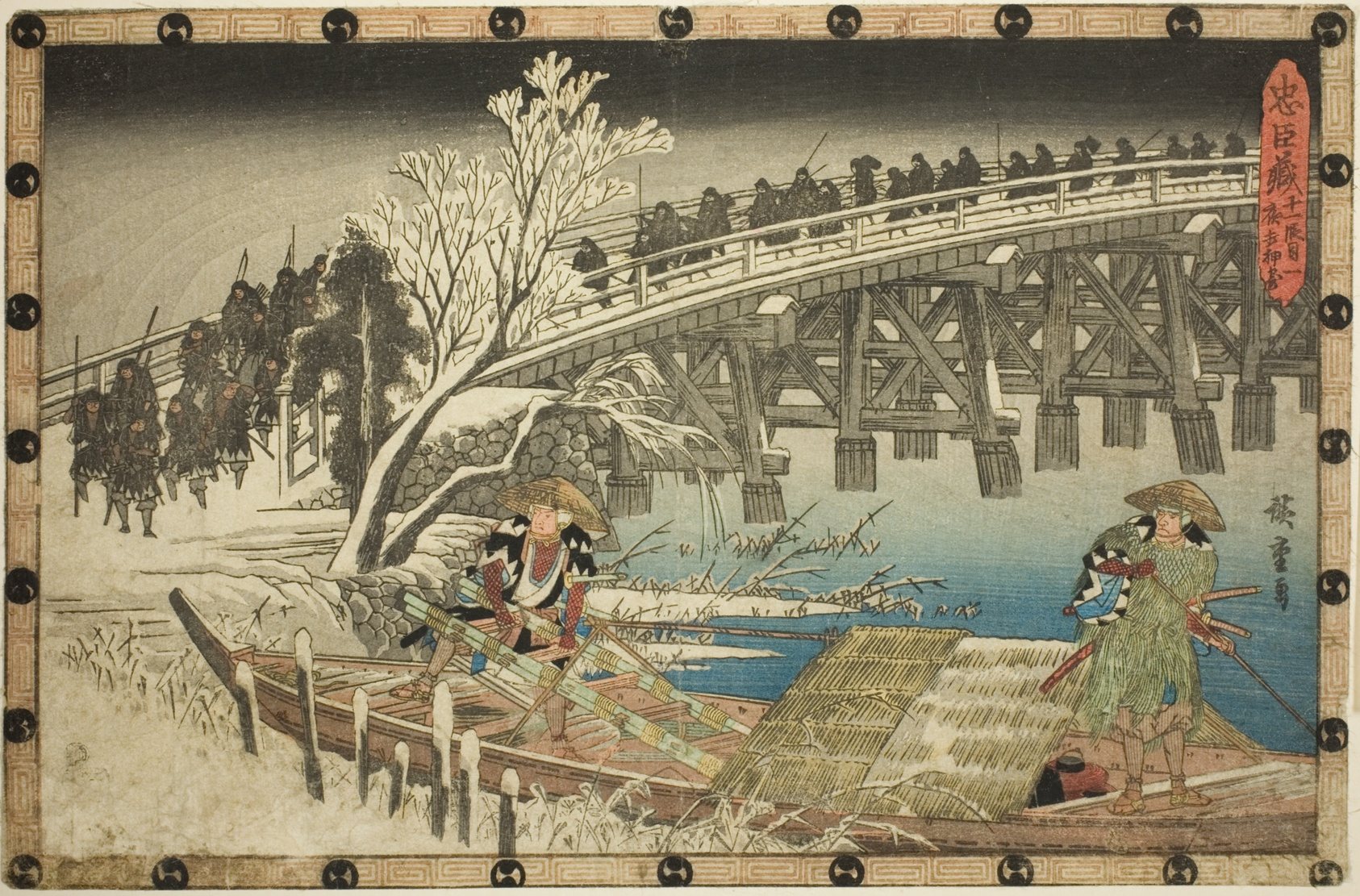
 The Hermeneutics of Samurai Culture in Film and TelevisionBefore my first boxing match I read Hagakure. Reading it again through Kurosawa, Kobayashi, Mishima, Jarmusch and Samurai Champloo, I find in the samurai ideal a modern invention and a masculine death drive, and in the best films its undoing.
The Strong, Silent TypeOdysseus and Machiavelli's prince use silence as a lever, a strategy kept for enemies and rivals. The screen's strong, silent man makes it his default way of feeling instead, a performance that always needs someone to watch it, which is why the camera suits him and why self-help can sell his calm back to men.
The Hermeneutics of Samurai Culture in Film and TelevisionBefore my first boxing match I read Hagakure. Reading it again through Kurosawa, Kobayashi, Mishima, Jarmusch and Samurai Champloo, I find in the samurai ideal a modern invention and a masculine death drive, and in the best films its undoing.