Tagged
Philosophy
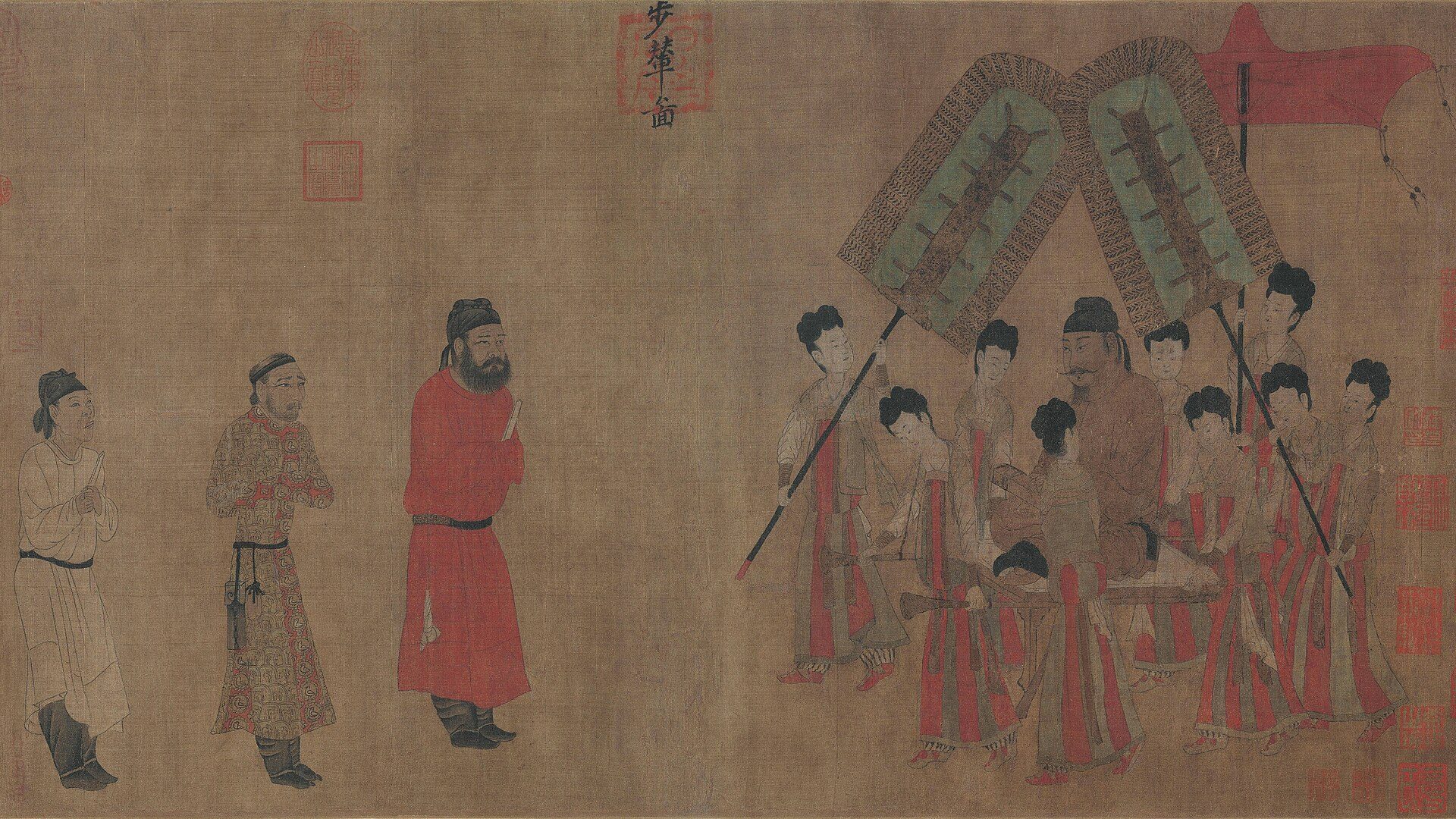
The Prince's Virtue, East and WestMachiavelli's princes, the tyrants of Plato's dialogues and the emperors of China feign, sacrifice their ministers, destroy their captains and kill their kin with the same small repertoire, and they weep afterwards. What divides the three traditions is who may forgive the prince, and their words for his excellence, aretē, 德 (dé) and virtù, record the same choice. Since no prince can foresee the effect by which he asks to be judged, Machiavelli's excuse fails on its own terms.
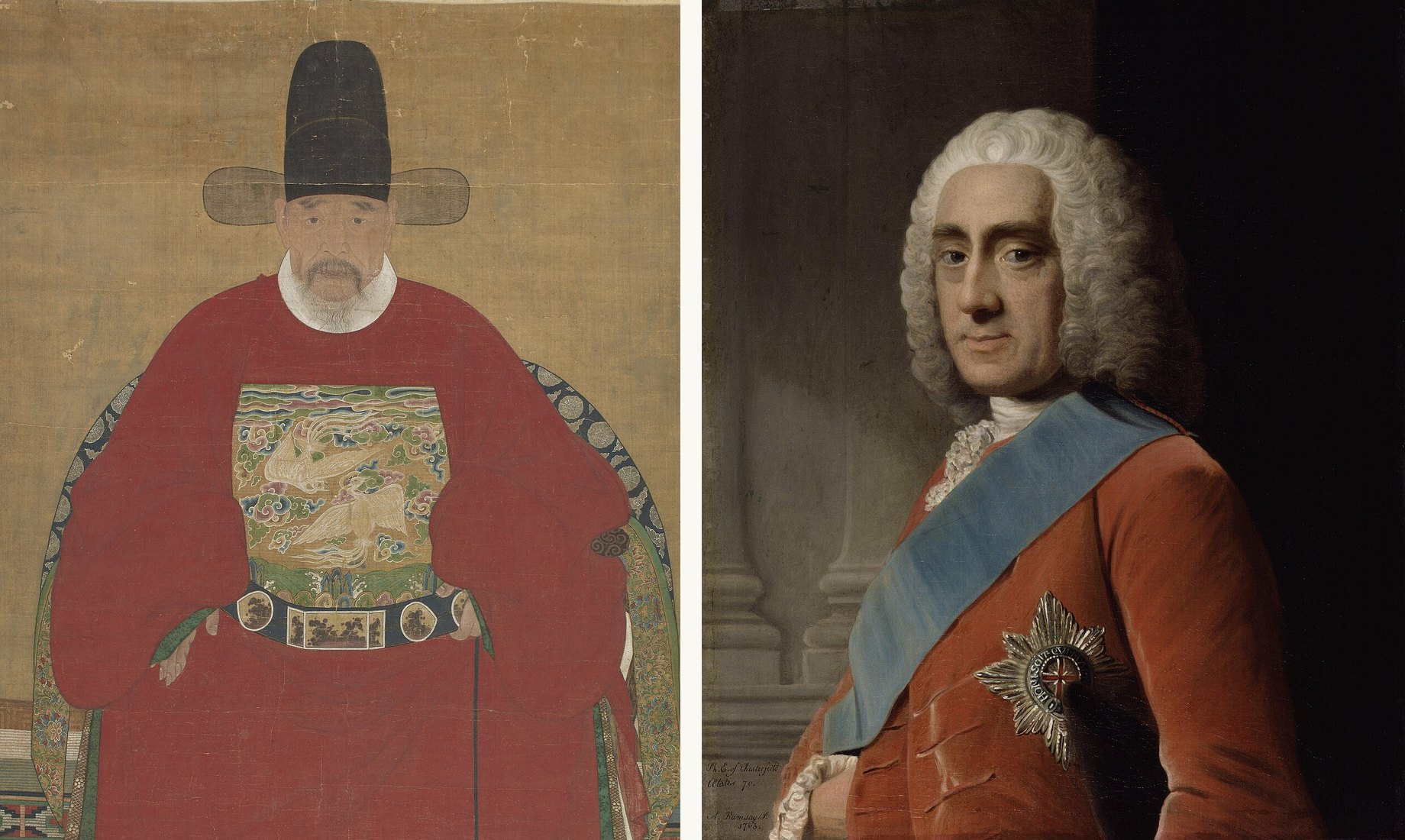
 The Sash and the SuitChina's junzi, Japan's samurai and the English gentleman all began as ranks of birth that moralists claimed for character, and all three traditions spent their anxiety on the manners meant to make that character visible. The modern gentleman is those manners cut loose: a suit that can be handed down, rented with the house, or worn to seal a threat.
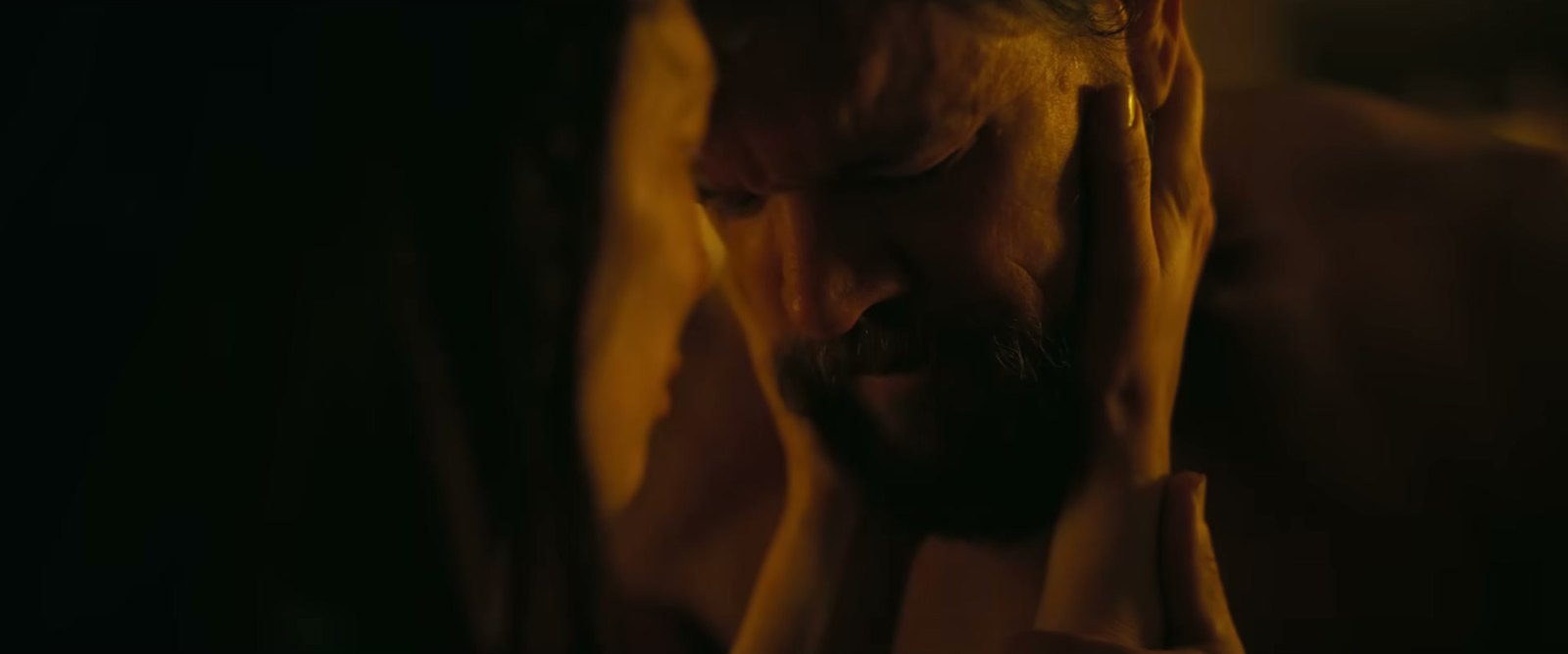
 The Strong, Silent TypeOdysseus and Machiavelli's prince use silence as a lever, a strategy kept for enemies and rivals. The screen's strong, silent man makes it his default way of feeling instead, a performance that always needs someone to watch it, which is why the camera suits him and why self-help can sell his calm back to men.
 The Geometry of LoveAnne Carson draws desire as a triangle whose third point holds lover and beloved apart. Following her back to Sappho and Plato, this essay traces the shapes love draws in space and in time, and asks whether there is a love that is neither lack nor pure gift.
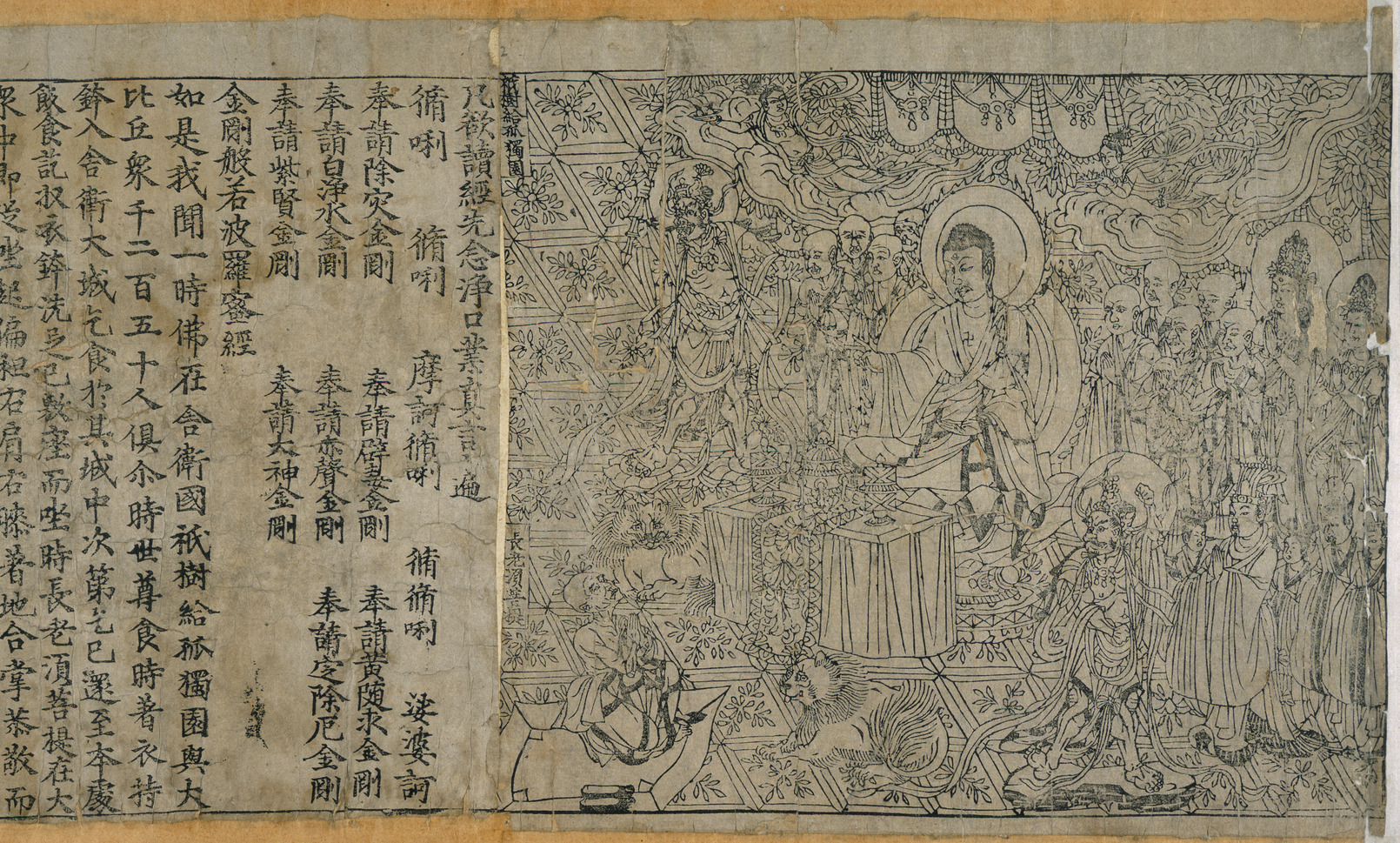
 Illusions and IllusionsThe Diamond Sutra cuts through illusion twice: once through the forms a mind takes to be solid, beginning with itself, and once more through the illusion of having seen through them.
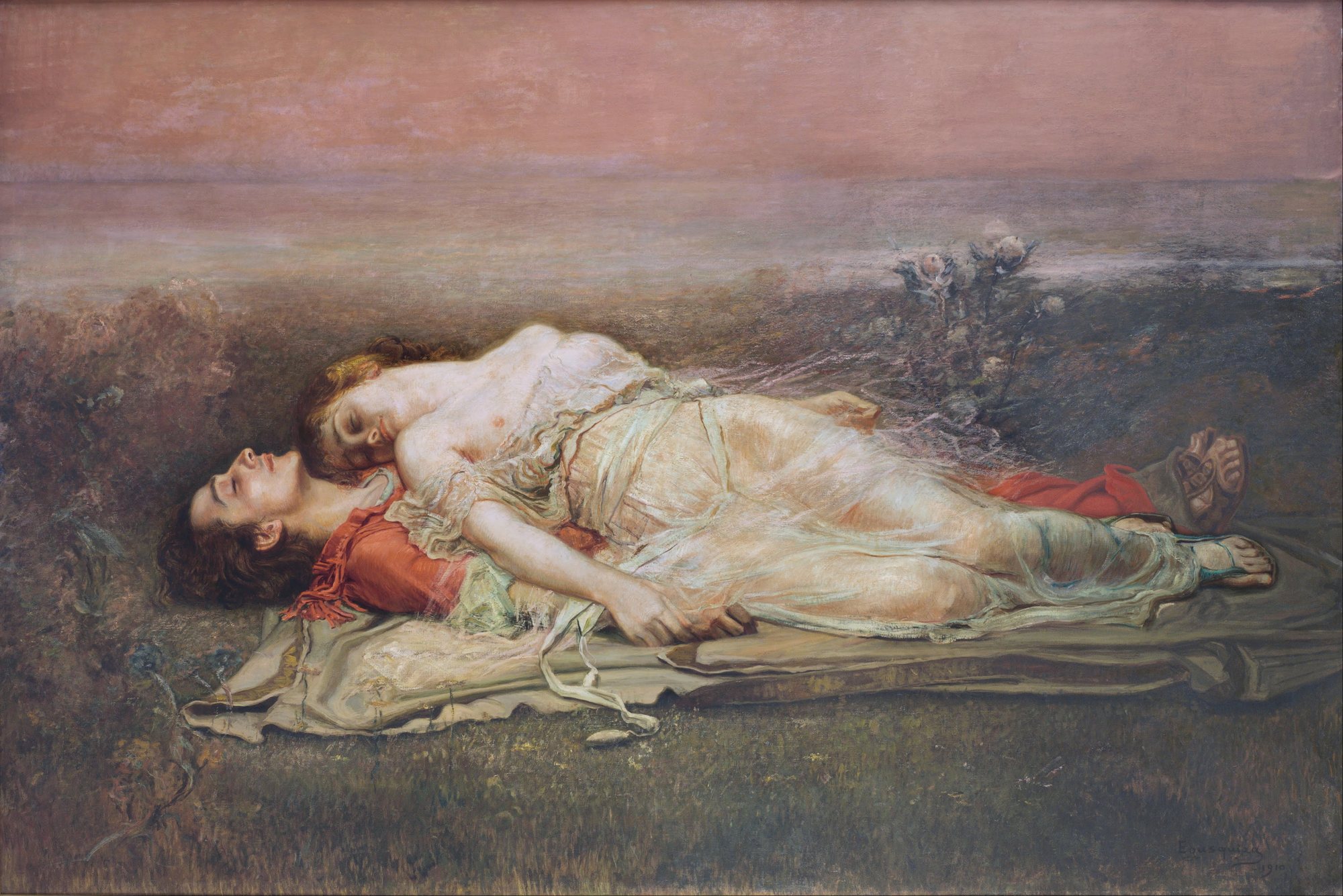
 The Ontology of LoveWhat is this thing, love, that it binds two creatures to each other in life and in death? More fundamentally, what is being-in-love, and how is it related to being-in-the-world?
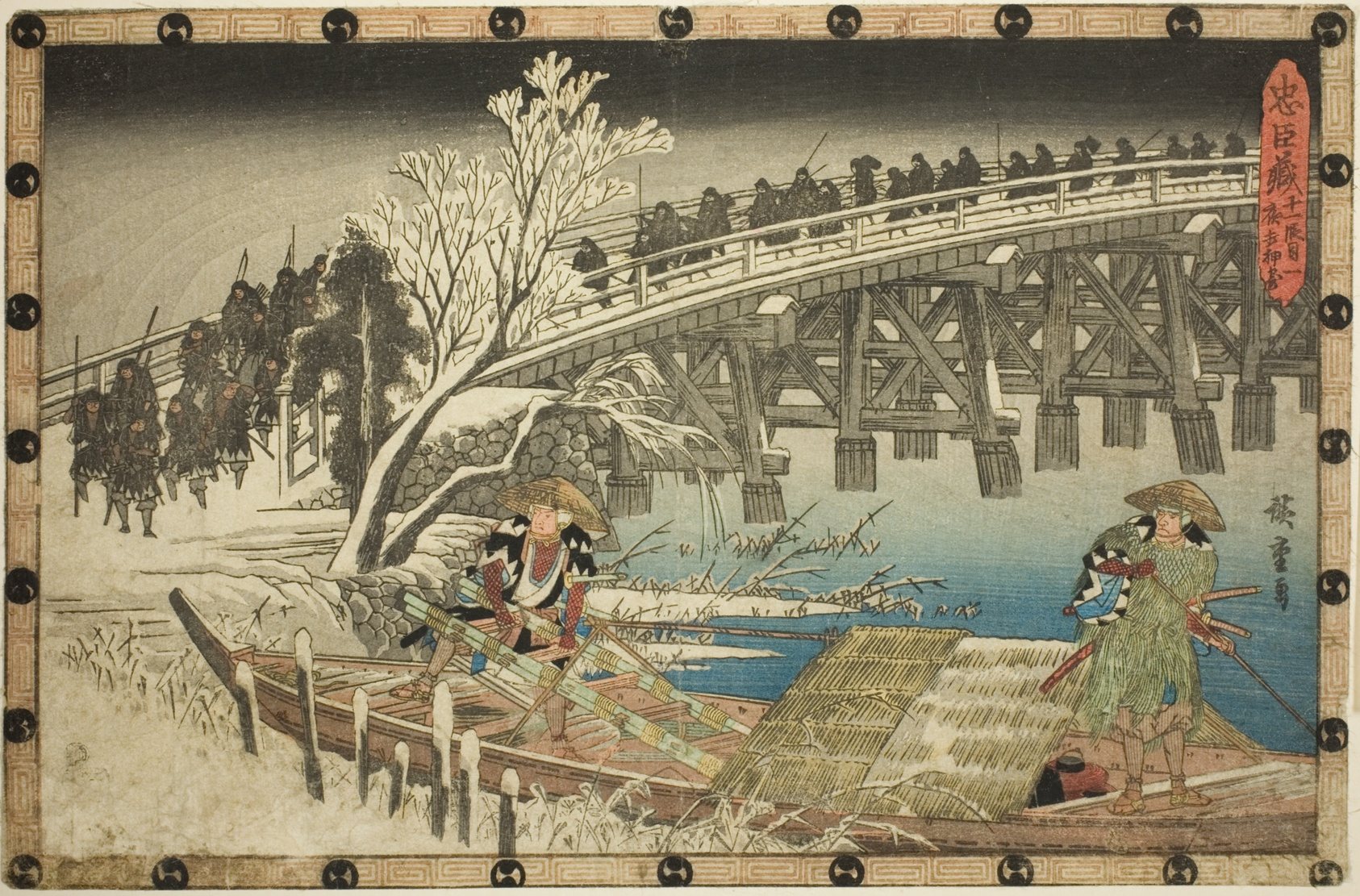
 The Hermeneutics of Samurai Culture in Film and TelevisionBefore my first boxing match I read Hagakure. Reading it again through Kurosawa, Kobayashi, Mishima, Jarmusch and Samurai Champloo, I find in the samurai ideal a modern invention and a masculine death drive, and in the best films its undoing.
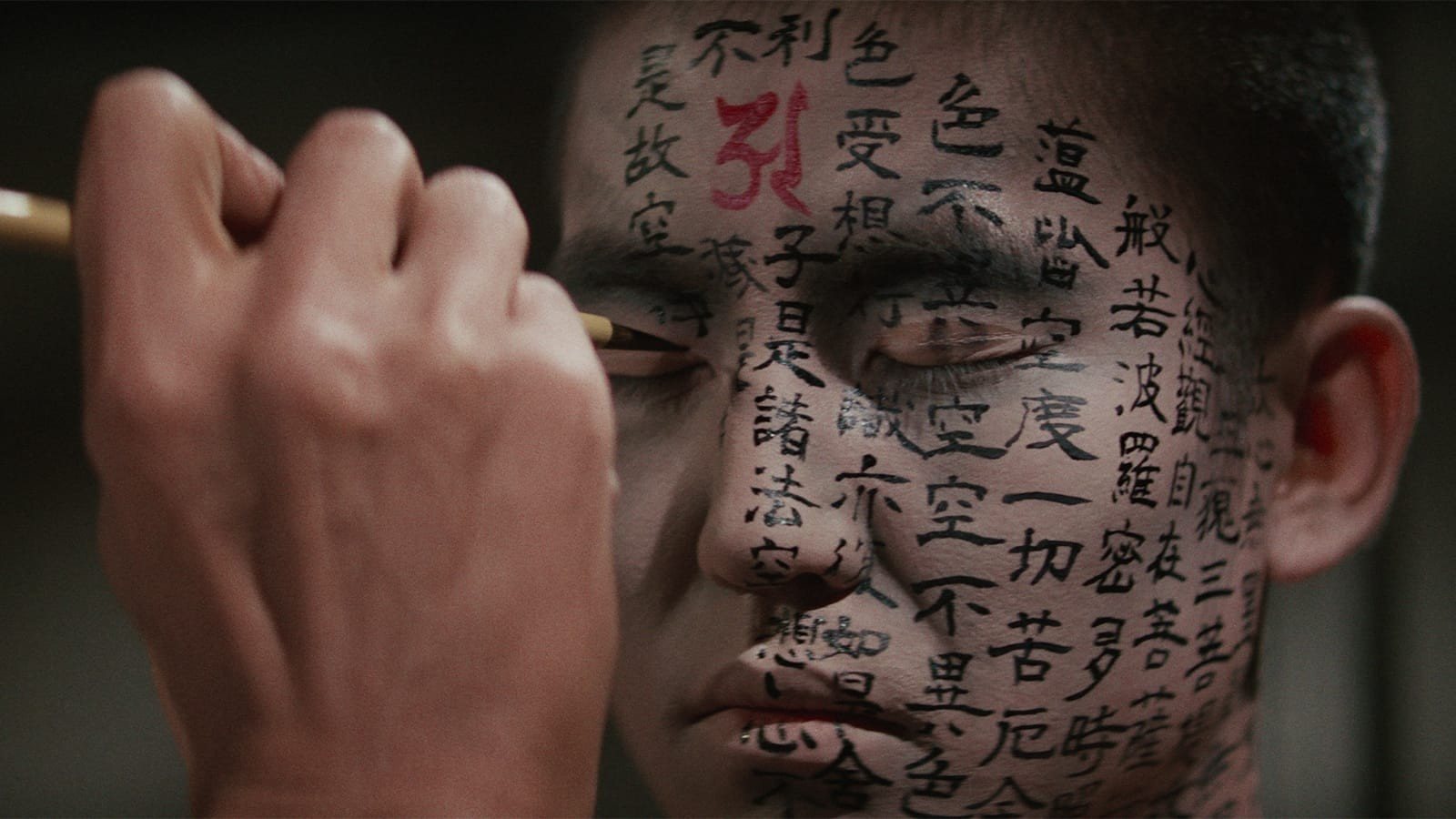
 Kwaidan: Strange Tales of Nature and WarMasaki Kobayashi's Kwaidan is usually filed under horror. Seen on a big screen, its four ghost stories read better as mysteries: about a nature full of spirits, and about the dead of a lost war.
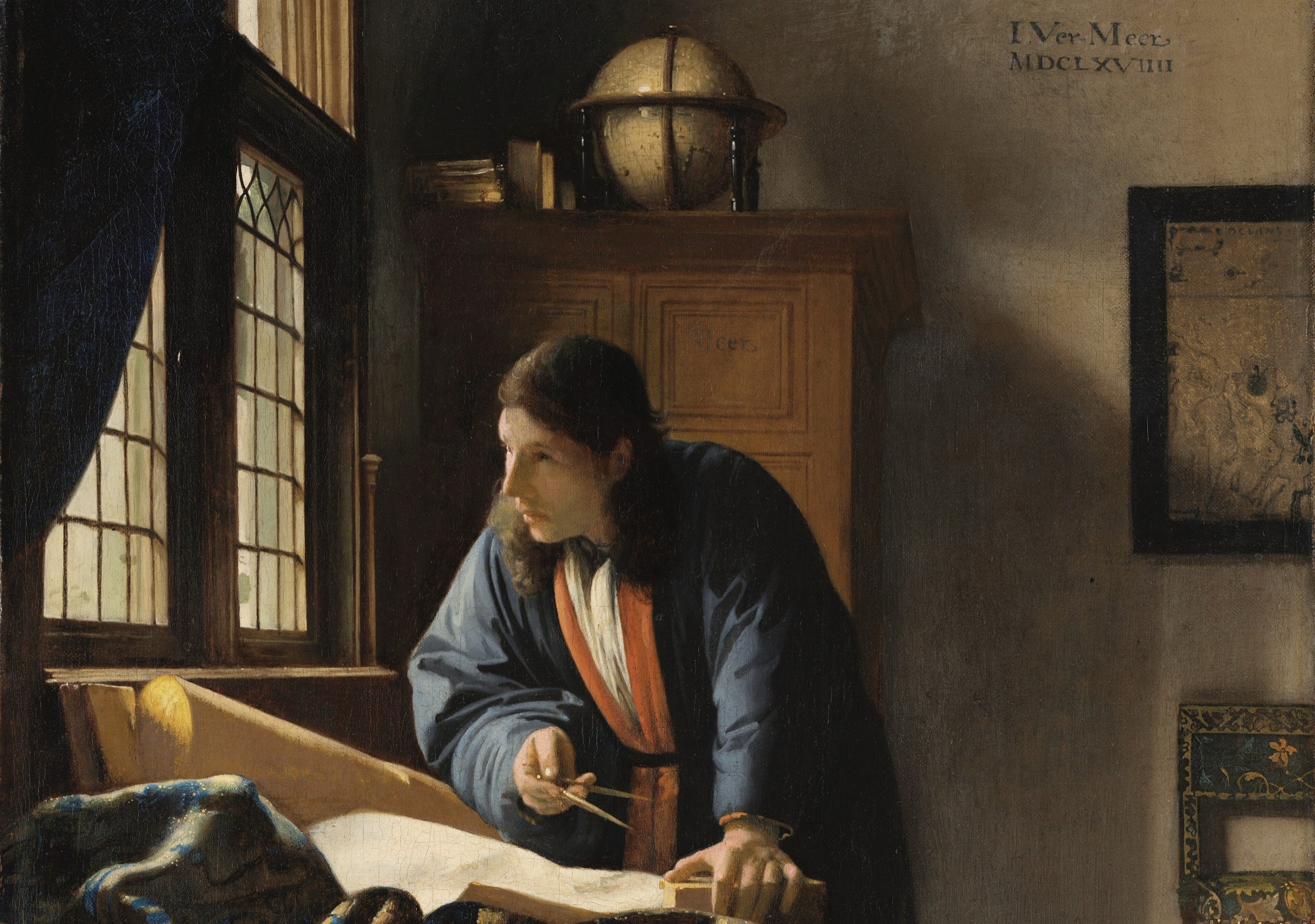
 The Virtue of FrictionSome friction only wastes our time, and some is how understanding is built and how hard work becomes absorbing. On learning, skill and flow when a machine can do the work.
 The Philosophy of BoxingWhy would anyone choose to be hit in the head? Freud's death drive, Musashi's sword after the wars, and what boxing taught me about discipline, fear and flow.
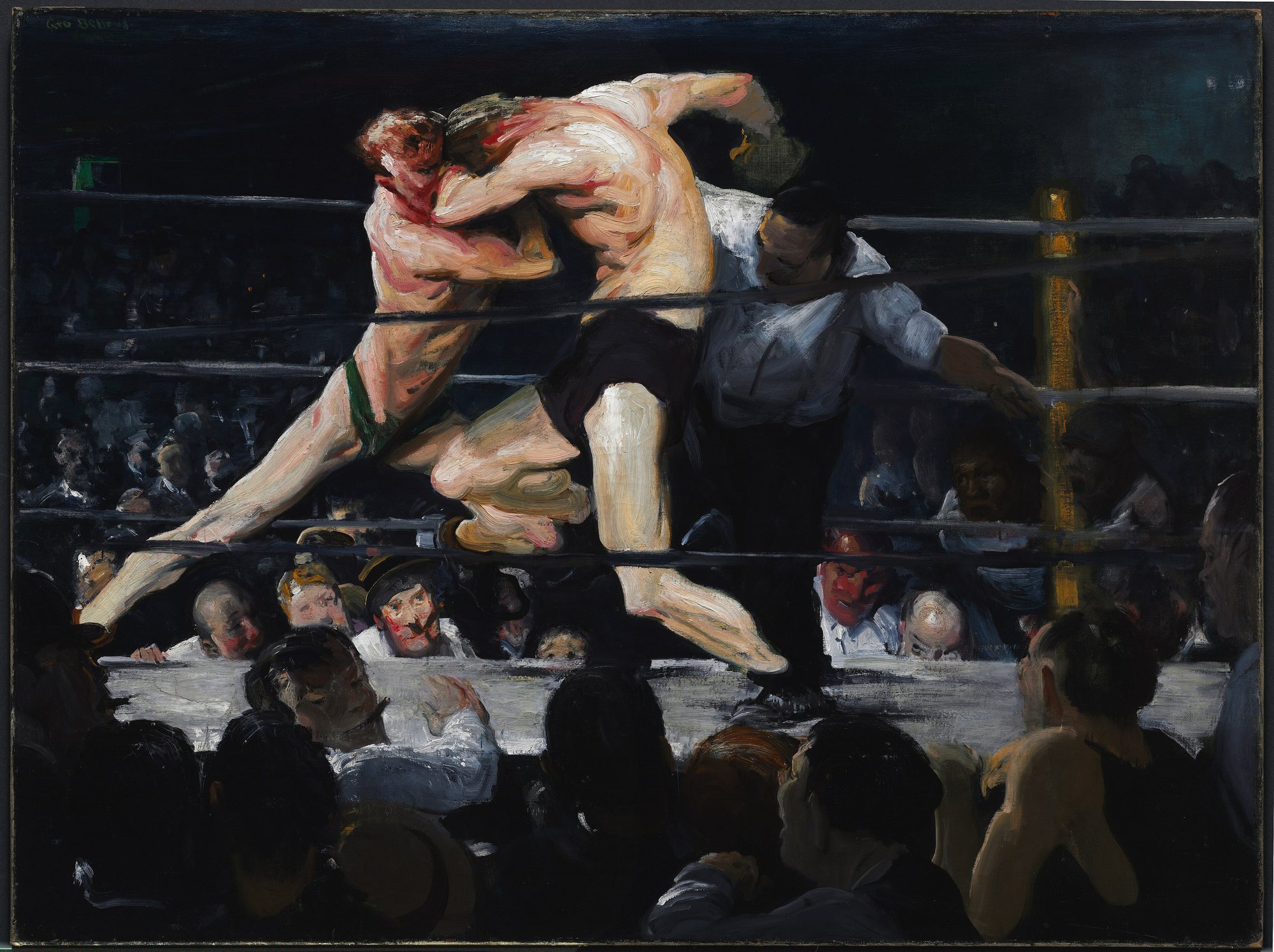 Reflection on my First Boxing Bout - A Warrior's JourneyWhat I learned from losing my first boxing match: sacrifice, the question of why, a sunrise on a trail, and fighting as a spiritual practice.
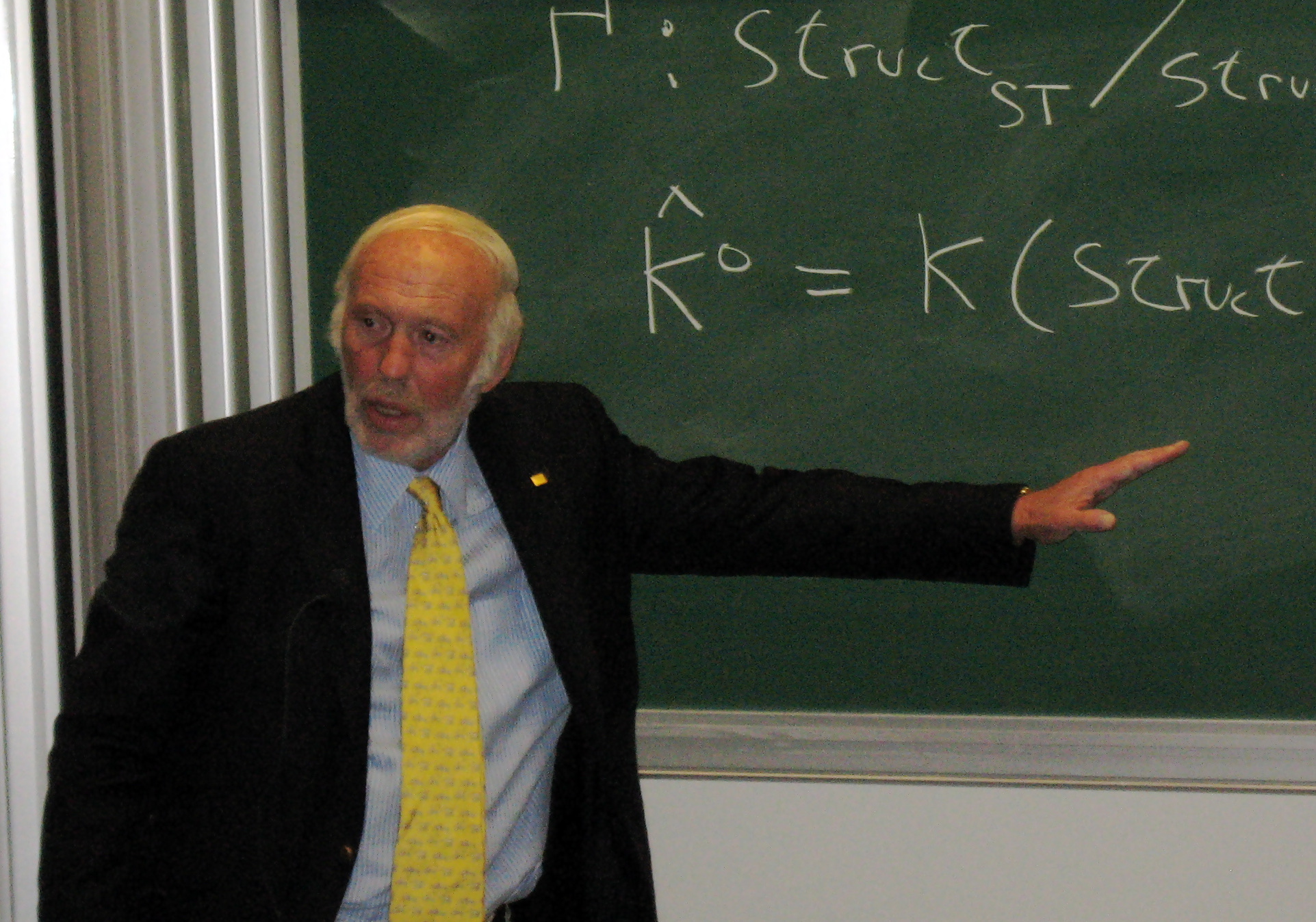
 Jim Simons, A TributeA tribute to Jim Simons, mathematician, codebreaker, investor and patron of science, and an inspiration of mine: on beauty, usefulness and what wealth can do for curiosity.
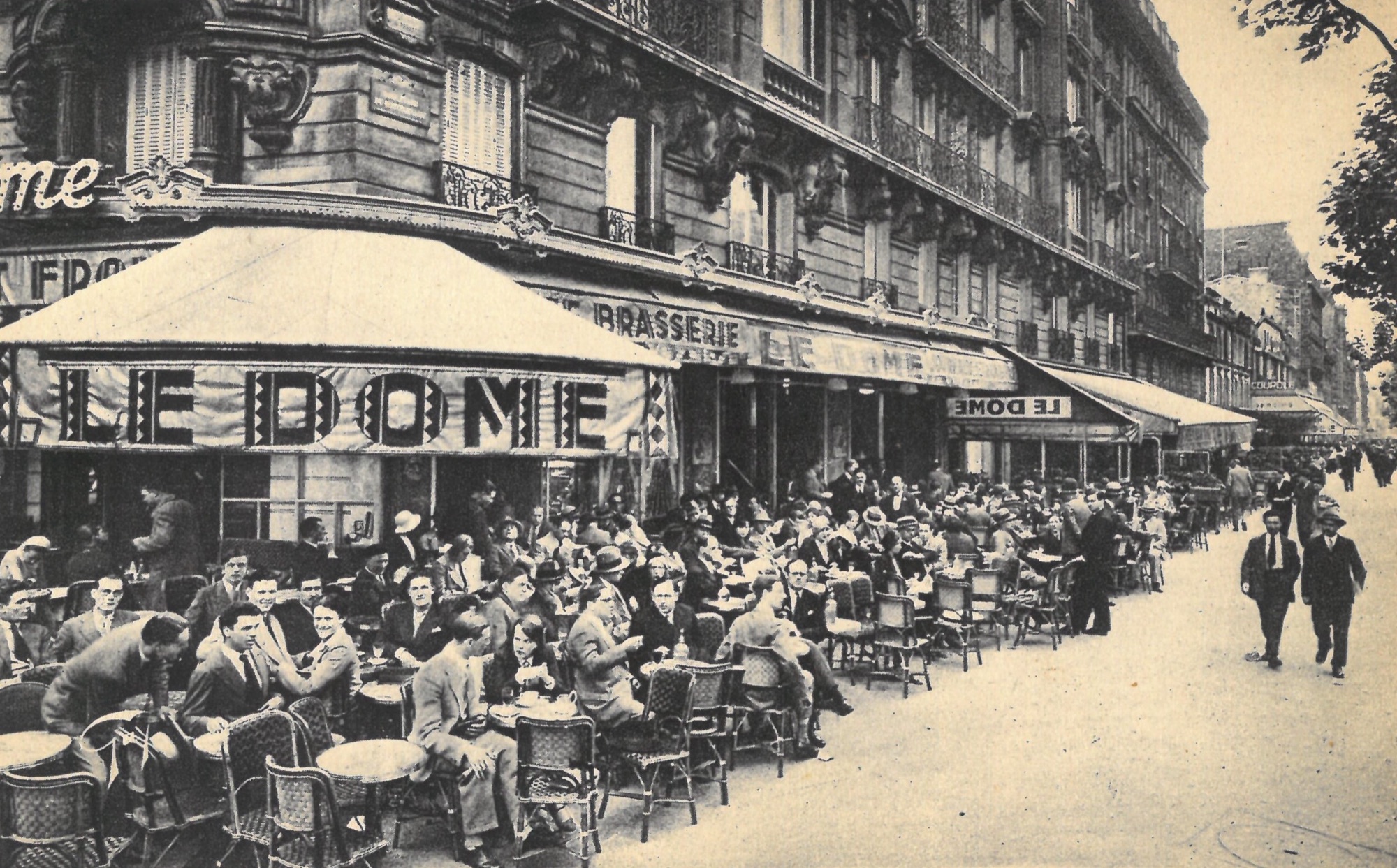
 Coffee Shop ReflectionsWhy I work best among strangers in a coffee shop, and whether the Paris café of Hemingway and the existentialists is a tradition or a fantasy sold by the cup.
The Sash and the SuitChina's junzi, Japan's samurai and the English gentleman all began as ranks of birth that moralists claimed for character, and all three traditions spent their anxiety on the manners meant to make that character visible. The modern gentleman is those manners cut loose: a suit that can be handed down, rented with the house, or worn to seal a threat.
The Strong, Silent TypeOdysseus and Machiavelli's prince use silence as a lever, a strategy kept for enemies and rivals. The screen's strong, silent man makes it his default way of feeling instead, a performance that always needs someone to watch it, which is why the camera suits him and why self-help can sell his calm back to men.
The Geometry of LoveAnne Carson draws desire as a triangle whose third point holds lover and beloved apart. Following her back to Sappho and Plato, this essay traces the shapes love draws in space and in time, and asks whether there is a love that is neither lack nor pure gift.
Illusions and IllusionsThe Diamond Sutra cuts through illusion twice: once through the forms a mind takes to be solid, beginning with itself, and once more through the illusion of having seen through them.
The Ontology of LoveWhat is this thing, love, that it binds two creatures to each other in life and in death? More fundamentally, what is being-in-love, and how is it related to being-in-the-world?
The Hermeneutics of Samurai Culture in Film and TelevisionBefore my first boxing match I read Hagakure. Reading it again through Kurosawa, Kobayashi, Mishima, Jarmusch and Samurai Champloo, I find in the samurai ideal a modern invention and a masculine death drive, and in the best films its undoing.
Kwaidan: Strange Tales of Nature and WarMasaki Kobayashi's Kwaidan is usually filed under horror. Seen on a big screen, its four ghost stories read better as mysteries: about a nature full of spirits, and about the dead of a lost war.
The Virtue of FrictionSome friction only wastes our time, and some is how understanding is built and how hard work becomes absorbing. On learning, skill and flow when a machine can do the work.
The Philosophy of BoxingWhy would anyone choose to be hit in the head? Freud's death drive, Musashi's sword after the wars, and what boxing taught me about discipline, fear and flow.
Reflection on my First Boxing Bout - A Warrior's JourneyWhat I learned from losing my first boxing match: sacrifice, the question of why, a sunrise on a trail, and fighting as a spiritual practice.
Jim Simons, A TributeA tribute to Jim Simons, mathematician, codebreaker, investor and patron of science, and an inspiration of mine: on beauty, usefulness and what wealth can do for curiosity.
Coffee Shop ReflectionsWhy I work best among strangers in a coffee shop, and whether the Paris café of Hemingway and the existentialists is a tradition or a fantasy sold by the cup.